




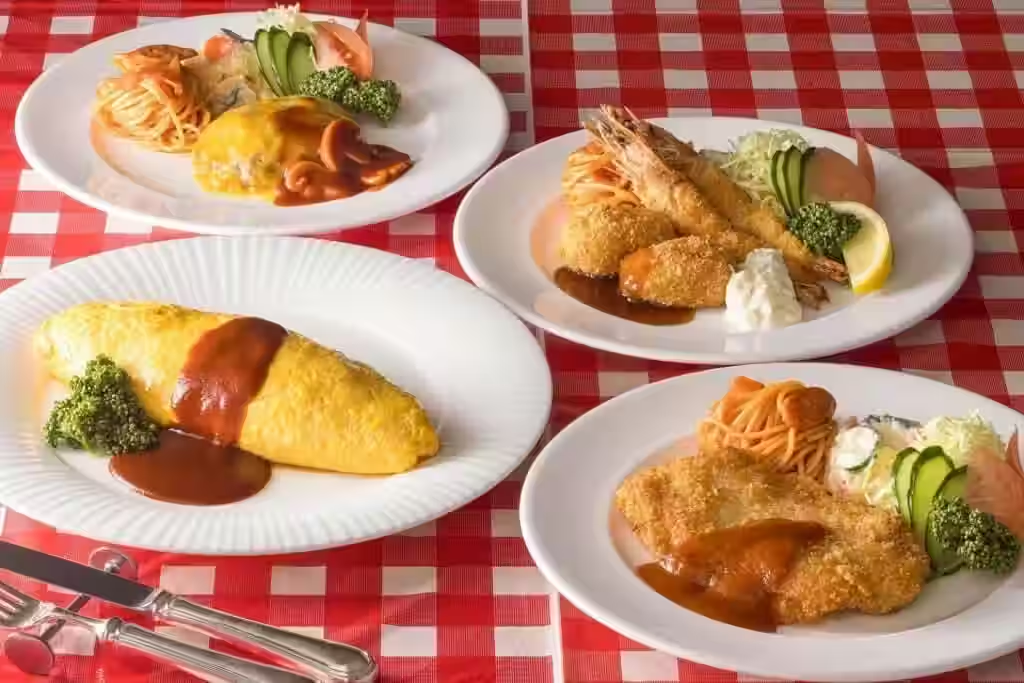
Within the world of Japanese food, you find two main styles: traditional Japanese food, called washoku, and a more recent style called yoshoku. Yoshoku means “Western food,” but it is much more than that. It is a unique kind of food created when Japan started mixing with the Western world. Instead of just copying foreign recipes, Japanese cooks used their own skills to change these dishes and make them into something new. This article will explain more about this special type of cooking, looking at where it came from and why it is still popular in Japan today.
What is Yoshoku? Defining a Culinary Style
Yoshoku refers to a specific type of Japanese cooking that creatively adapts Western dishes to better suit Japanese tastes, ingredients, and dining habits. The foundation of this cuisine is a concept famous as wa-yō setchū, which translates to “Japanese-Western fusion”. The term “yoshoku” itself is a product of this evolution, initially used almost interchangeably with “Western cuisine” in the early Meiji period before its meaning gradually became more specific. As Japanese chefs began to fundamentally change foreign recipes, incorporating local ingredients and cooking techniques, the resulting food became so distinct that it needed its own name. The creation of a new word for this adapted cuisine marks the moment it ceased being an imitation and became a truly original Japanese culinary style.
The Story Behind the Food: A Compact History, Rich with Knowledge
The introduction of Western food to Japan began out of diplomatic necessity in the mid-19th century. Foreign visitors did not well-received this traditional honzen cuisine with its lighter flavors. It prompts an urgent need to serve Western dishes to foster smoother relations. While Western cuisine was initially a luxury enjoyed only by a privileged class, the high cost of imported ingredients and a national push for modernization led to a creative shift. Japanese chefs began to adapt Western dishes using local ingredients and familiar methods, creating a new style of food now known as yoshoku.
A chef at Ginza Rengatei substituted pork for veal and deep-fried it in a method similar to tempura, resulting in a dish that was both filling and suited to Japanese tastes. So over time, this new style of food spread beyond the elite through new business models like “single-dish Western cuisine” and the rise of culinary education for women. The widespread publication of cookbooks and the development of the railway system also helped bring yoshoku into ordinary households and train cars, making it an affordable and everyday staple.
A Portfolio of Yoshoku Classics
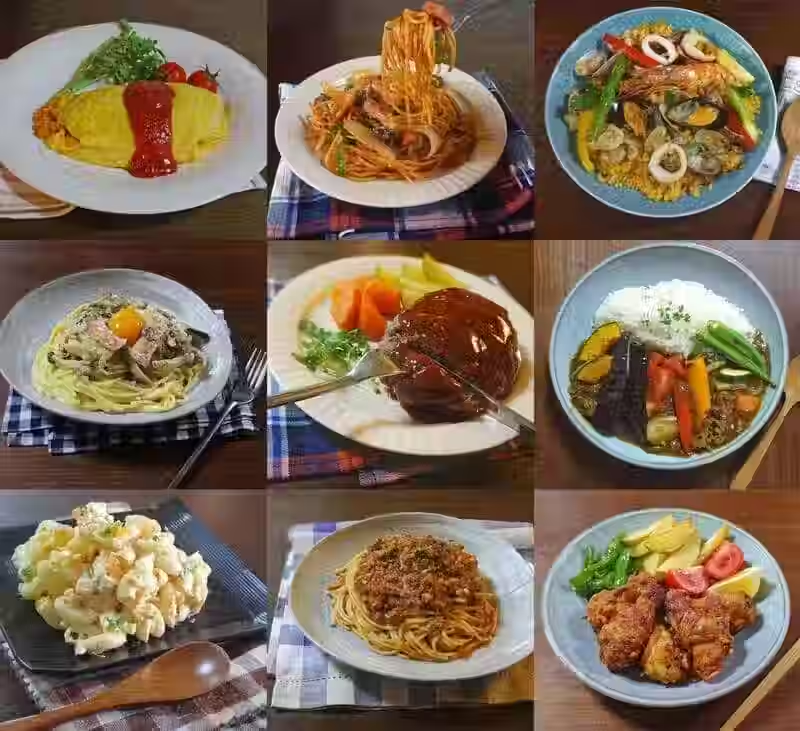
The ingenuity behind Yoshoku is best seen in its most popular dishes, each telling a unique story of cultural adaptation.
-
Omurice (Omelette Rice)
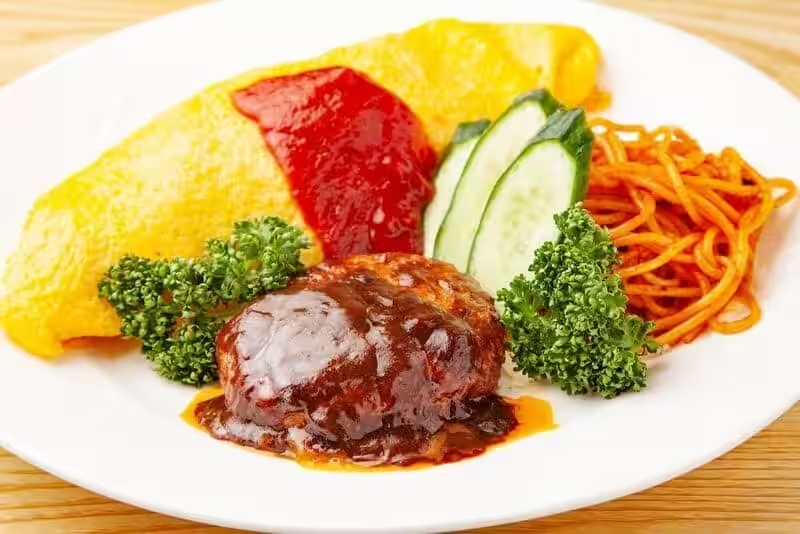
- A comfort food that combines the French word “omelette” and the English word “rice,” Omurice features ketchup-flavored fried rice wrapped in a thin, cooked egg layer. It is a dish with more ketchup or a demi-glace sauce that locals cherish for its simple and satisfying taste.
-
Curry Rice (Japanese Curry)
- Introduced to Japan via the British, Japanese curry is notably milder and sweeter than other varieties, with a thick, gravy-like consistency. This beloved dish is a staple in households and has even become a naval tradition in the Japan Maritime Self-Defense Force.
-
Korokke (Croquette)
- Inspired by French and Dutch croquettes, this dish consists of a filling—often a mixture of mashed potatoes and meat—coated in crispy panko breadcrumbs and deep-fried. Korokke began as a high-end meal for the upper class but quickly became a common food item available in grocery stores and street stalls.
-
Napolitan (Ketchup Pasta)
- Napolitan is a uniquely Japanese pasta dish made by stir-frying spaghetti with ketchup, green peppers, onions, and ham. This comfort food was after World War II using readily available ingredients and found in casual diners and convenience stores throughout the country.
-
Hamburger Steak (Hambagu)
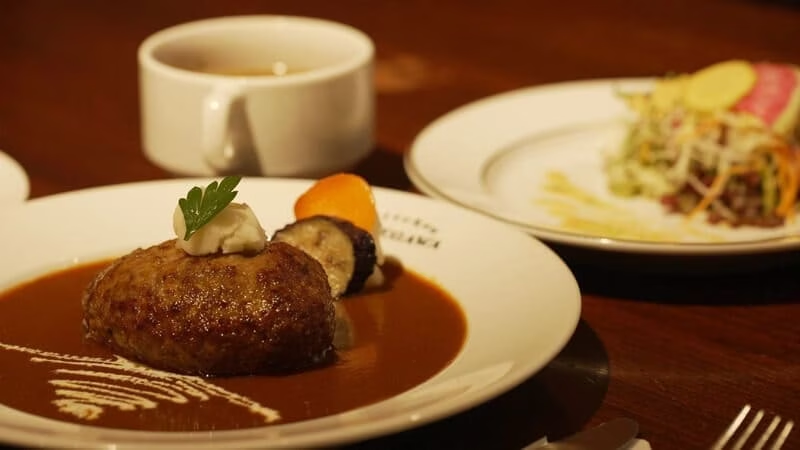
- Hambagu is a classic meat dish that adapts the German hamburger steak to Japanese tastes. Made from minced beef and pork kneaded with chopped onions, served with rice and a demi-glace sauce.
-
Hayashi Rice
- Hayashi rice is a rich and tangy dish with thinly sliced beef and vegetables simmered in a demi-glace-inspired sauce. Served over rice and is a popular, easy-to-make home meal.
More details about Hamburg Steak
Comparing Western Style Meats and Japanese Traditions
Hamburg steak is a great example of Yoshoku because it takes a Western meatloaf and gives it a Japanese twist. While a Western burger is often eaten on a bun with simple salt, this version is served as a main dish with a thick and sweet sauce. It has a deep umami from using a mix of beef and pork that makes it very juicy. The flavor is a blend of savory meat and a rich, dark glaze that feels very comforting. It tastes like a more refined and softer version of a standard steak.
Smooth Meat Textures and Glazed Coatings
The feeling of eating this meat is very soft because the beef and pork are ground very fine. It has a delicate and springy bite that does not require much effort to chew. When you pour the thick brown sauce over the top, the surface becomes very glossy and slippery. It feels very moist in your mouth as the meat and sauce blend together. If you eat it with plain rice, the texture becomes much more heavy and filling. It provides a very smooth and lush sensation that is very satisfying.
More details about Napolitan Pasta
Sweet Tomato Sauce and Western Pasta Styles
Napolitan pasta is a famous Yoshoku dish that takes Italian spaghetti and gives it a Japanese soul. While a Western pasta sauce is usually made with fresh tomatoes and herbs, this version uses simple ketchup and onions. This creates a very sweet and tangy flavor that is much darker than a standard marinara. It has a savory umami from the pan frying process that makes the sauce stick to the noodles. It tastes like a nostalgic and sugary comfort meal that is much more playful than a traditional Italian dish.
Sticky Noodle Bites and Tacky Coatings
The feeling of eating this pasta is very soft and slightly sticky because the noodles are often overcooked on purpose. They have a bouncy and thick quality that holds onto the tacky sauce. When you take a bite, the ketchup creates a glossy and wet layer that coats your entire mouth. It feels very heavy and substantial compared to a light oil pasta. The bits of green pepper and ham add a small and springy snap to the meal. It provides a very moist and lush sensation that feels very full.
Conclusion
Yoshoku is more than a list of dishes; it is a delicious record of Japan’s creative and historical journey. It showcases a national characteristic of taking foreign ideas and adapting them to fit a unique cultural context, a process that has resulted in a culinary genre that is a distinct and fundamental part of Japanese gastronomy. Furthermore, these dishes, from the crispy tonkatsu to the comforting omurice, are a celebration of its appeal of a cuisine born where two worlds met and merged on a plate.
For those interested in trying other dishes similar to the ones mentioned in this article, here are a few recommendations: Tonkatsu, Omurice, Curry Rice, Doria, and Napolitan.
Yoshoku (Japanese-Western Food) FAQ
What is “Yoshoku”?
It refers to Western-style dishes that Japanese chefs adapted to suit local tastes during the Meiji era.
Is it authentic Western food?
No. While the roots are Western, the recipes evolved independently to become distinct Japanese soul food.
What is “Omurice”?
Chicken fried rice wrapped in a thin fluffy omelette, usually topped with ketchup or demi-glace.
What is “Hambagu”?
A Salisbury steak comes on a plate with rice, unlike a “Hamburger” which comes inside a bun.
Why do they serve rice with it?
Yoshoku evolved to pair with steamed rice rather than bread, creating a unique “Rice and Side Dish” style.
Do I use chopsticks?
Yes. Many restaurants provide chopsticks (Hashi) to eat these dishes, though you can also use a fork.
What is “Napolitan”?
A spaghetti dish flavored with ketchup, sausages, and vegetables, created in Yokohama.
What is “Hayashi Rice”?
It is a dish of hashed beef stewed in a rich demi-glace sauce, served over steamed rice.
What is “Korokke”?
It is the Japanese version of a croquette. Makers mix mashed potatoes with meat or seafood and deep-fry them.
What is “Ebi Fry”?
It is a large prawn breaded with panko and deep-fried straight, usually served with tartar sauce.
Where can I eat it?
You find it in specialized “Yoshoku-ya” restaurants, old-school cafes (Kissaten), and Family Restaurants.
What is “Okosama Lunch”?
It is a special children’s plate featuring small portions of popular Yoshoku items like a flag-topped Omurice.
Is it spicy?
Generally, no. Most Yoshoku dishes focus on savory, sweet, and rich flavors (Umami) rather than spice.
What is “Doria”?
It is a rice gratin topped with white béchamel sauce and cheese, baked until golden.
What is “Tonkatsu”?
It is a deep-fried breaded pork cutlet. While originally Yoshoku, it is now a distinct category of its own.
Comments