







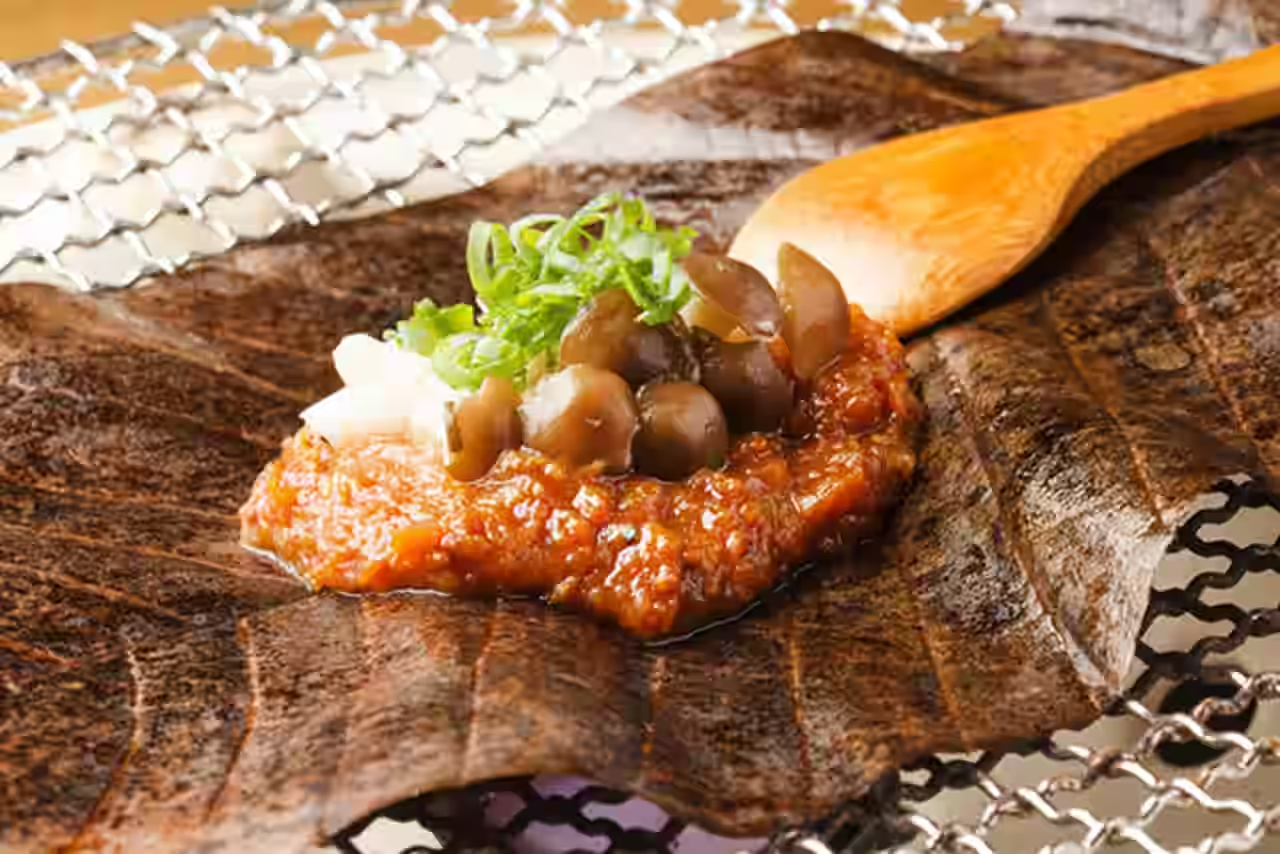
This article introduces Hooba Miso (朴葉味噌), a unique and savory dish from the mountainous Hida region of Gifu Prefecture, Japan. Far from being just a side dish, Hooba miso is a key part of the local food culture, known for its rich taste and special smell.
We will look at how this simple, how locals made this clever dish, where it came from as a winter survival food, and where you can taste this comforting meal today.
What is Hooba Miso?
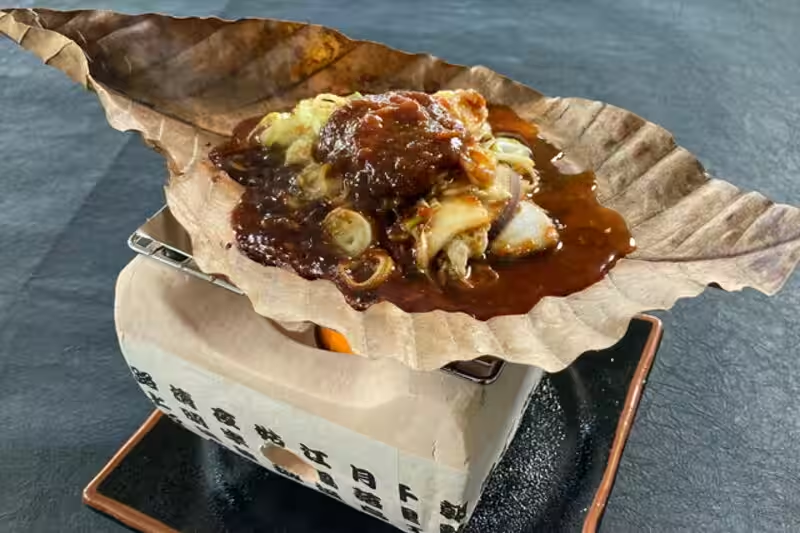
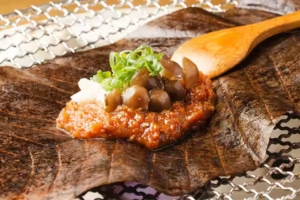
Hooba miso is a traditional local dish where local miso (fermented bean paste), often mixed with other ingredients, is grilled on a large, dried magnolia leaf (hooba).
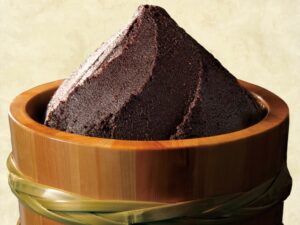
The base is typically a deeply Hida miso, which is a rich red miso popular for its strong, mature taste that’s perfect for grilling. Locals mixed this bean pastewith chopped items like spring onions, shiitake mushrooms, and other local vegetables.
They spread the mixture onto the hooba, which acts like a natural cooking pan, placed over a small tabletop grill. The leaf does two main things:
- It stops the miso from burning.
- More importantly, it gives the paste a wonderfully unique, earthy, and fragrant smell as it heats up and caramelizes.
When served, the savory, grilled miso is traditionally eaten with hot rice. Today, it’s also very popular to add slices of high-quality local meat, such as Hida beef, to the grilling miso mixture, turning it into a richer, complete meal.
Smoky Blend of Forest and Ferment
Hooba miso has a flavor that is far more complex than any Western barbecue sauce. While a smoky Western sauce often relies on liquid smoke or molasses, this dish gets its deep woody aroma from a real dried magnolia leaf. As the leaf heats up over a fire, its natural oils seep into the salty soybean paste. This creates a powerful umami that tastes like roasted nuts and damp earth. It is a very dark and savory profile that feels like a quiet walk through an old Japanese forest.
Savory Beef vs Nutty Vegetable Toppings
You will usually find this served in two distinct ways depending on the luxury of the meal. The most famous version includes slices of fatty Hida beef, which melt into the miso to create a very rich and high calorie treat. The fat from the meat makes the paste taste almost like cream. On the other hand, a simpler version uses mountain vegetables or mushrooms. This style is much lower in calories and highlights the bitter and medicinal notes of the forest. While the beef is indulgent, the vegetable style feels much more rustic and clean.
Shift from Thick Paste to Sizzling Glaze
The physical sensation of eating hooba miso is all about the heat of the grill. It starts as a thick and grainy paste sitting on the dry leaf. As it cooks, the miso begins to bubble and turn into a sticky and glossy glaze. It becomes slightly tacky, clinging perfectly to a piece of beef or a bowl of rice. When it starts to char at the edges, it gains a brittle and slightly sandy texture that provides a nice crunch. It feels very heavy and warm in the mouth, leaving a smooth and oily finish.
History of Cleverness
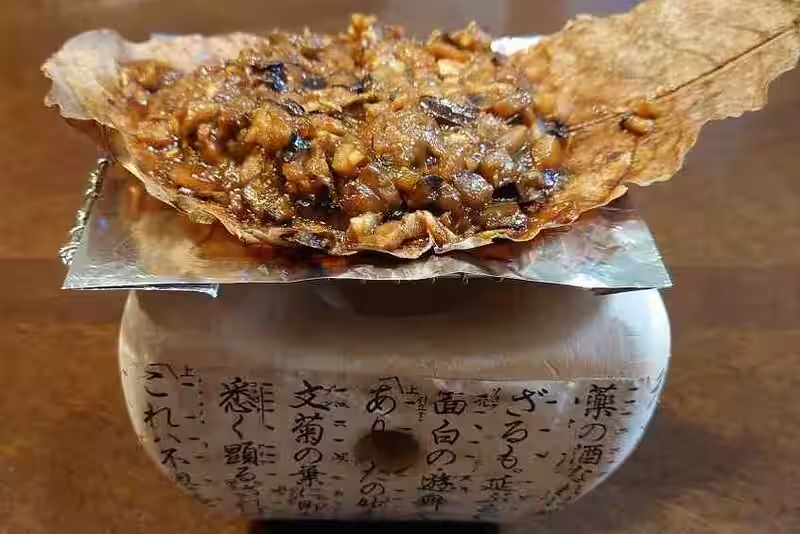
The history of Hooba miso proves how clever and resourceful the people were who lived in the cold, isolated Hida region. For centuries, this mountainous area had long and very cold winters where getting fresh food was hard. Hooba miso started as a necessary staple food, likely dating back to the late 1800s.
During these harsh winters, miso, which was essential for flavor and protein, would often freeze and become hard. Instead of throwing this valuable food away, residents came up with a simple fix: they chipped off frozen pieces, put them on the readily available, fire-resistant hooba leaves, and grilled them directly on the coals of their traditional sunken hearths (irori).
This method created a much-needed, warm, and highly savory food to eat with rice when other resources were scarce. This simple, practical way of cooking grew into the popular regional specialty that is enjoyed today.
Where to Experience Hooba Miso
Okuhida Onsen-go / Hirayu Onsen Mozumo (もずも)
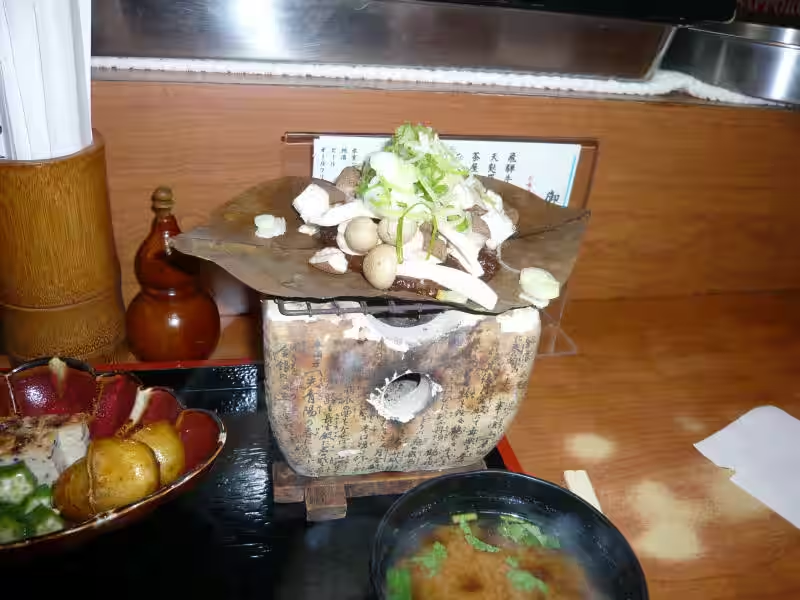
As a signature dish, Hooba miso is widely available across the Hida region, especially in the Oku-Hida Onsen (Hot Spring) area. Many traditional inns (ryokan) and restaurants also feature it as a highlight of their dinner courses.
A good example is the Oku-Hida Onsen-go / Hirayu Onsen Mozumo, which offers a traditional setting to enjoy the dish
Summary
Hooba miso is a powerful taste experience that captures the heart of Gifu’s Hida region. It perfectly mixes necessity—using natural materials and preserved food—with a strong, warming flavor. Furthermore, the grilling process gives it a special fragrance, making the dish a comforting symbol in Japanese mountain cooking.
For readers who appreciate this style of savory, grilled food, we recommend exploring similar local specialties, such as grilled rice cakes with miso or grilled skewered foods with miso.
Hoba Miso (Magnolia Leaf Miso) FAQ
What is Hoba Miso?
It is a regional dish where chefs grill seasoned miso paste on a dried magnolia leaf.
Where is it from?
It originates from the Hida-Takayama region in Gifu Prefecture, central Japan.
Can I eat the leaf?
No. You use the leaf only as a plate for cooking; you should not eat it.
Why use a magnolia leaf?
The dried leaf protects the miso from burning and adds a distinct earthy aroma.
What ingredients are inside?
The mixture typically contains miso, green onions, shiitake mushrooms, and wild mountain plants.
Does it include meat?
Often, yes. Many restaurants serve it with slices of premium Hida Beef to cook in the miso.
What does it taste like?
It tastes savory, salty, and slightly sweet, becoming richer as the miso caramelizes over the fire.
When do locals eat it?
Locals eat plain versions for breakfast and beef-topped versions for dinner or with sake.
How do I eat it?
You usually place the hot grilled miso on top of white rice to balance the strong flavor.
Can I buy it as a souvenir?
Yes. Shops in Takayama sell sets containing dried leaves and seasoned miso for home cooking.
Comments