






This article introduces Ayu Zousui (鮎雑炊), a celebrated Japanese rice porridge that features Ayu, or sweetfish. This fish is popular for living only in Japan’s cleanest rivers, immediately tying the dish to high quality and a perfect environment. The porridge is a special meal from the traditional Gifu region, offering a light, graceful end to a dinner.
Keep reading to understand how this dish is made, its long history connected to old Japanese leaders, and where you can try this regional specialty today.
What is Ayu Zousui?
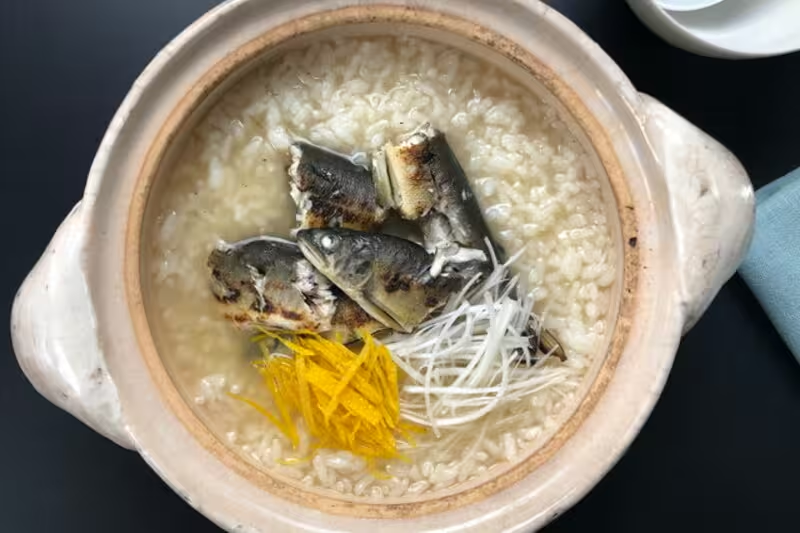
Zousui is a type of Japanese rice porridge made by cooking rice in dashi (stock) with different ingredients. Ayu Zousui specifically uses the valued sweetfish to give the stock a savory, fresh river taste.
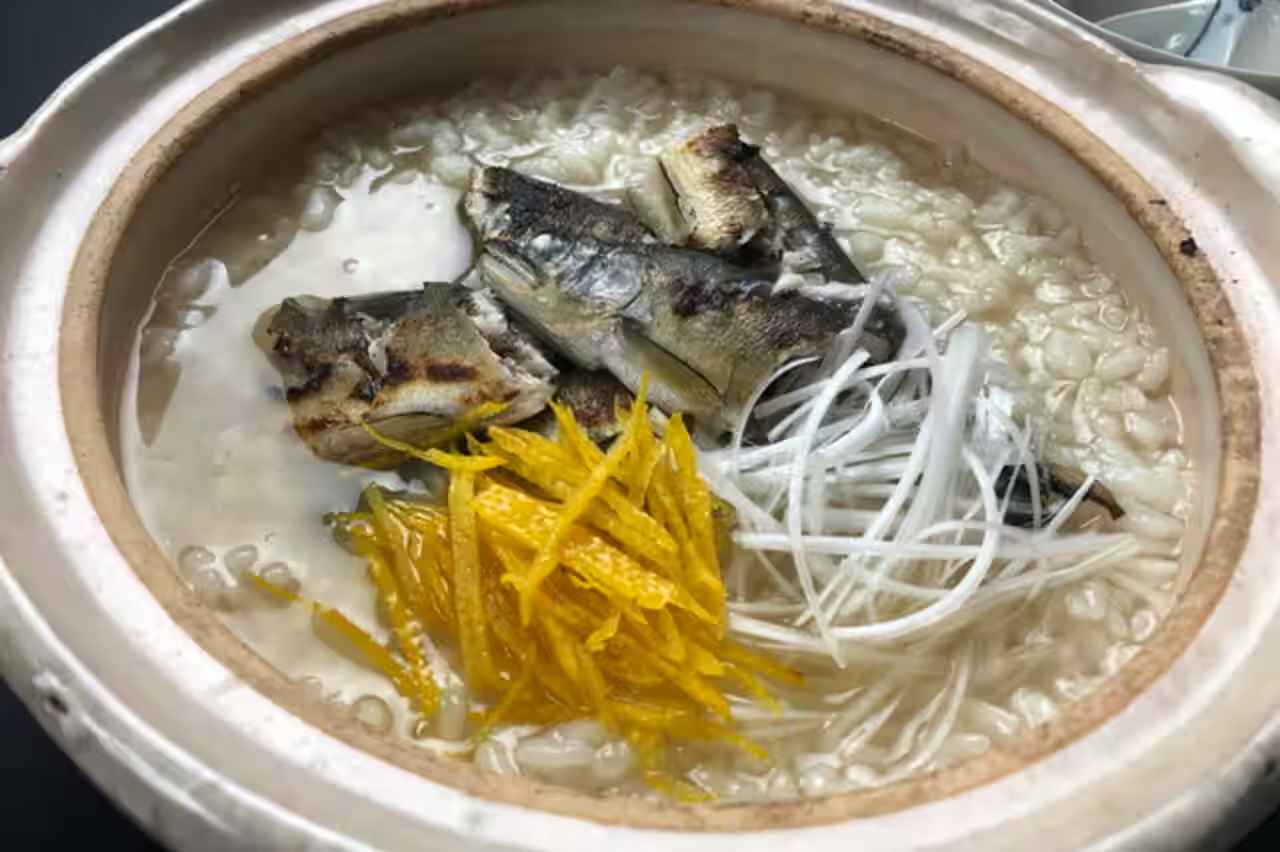
Locals season grilled fish, washed rice, and dashi simply with salt and a touch of soy sauce, then briefly simmered together. Finished with toppings like shredded green onion and fragrant yuzu citrus. They serve Ayu Zousui as the final course in a large Ayu banquet. Valued as a light and refreshing meal, especially in the hot, humid summer when people don’t have a big appetite. The warm temperature and water content also help with digestion, making it very easy on the stomach.
Earthy Watermelon Scent of the River
Ayu zousui has a taste that really reminds you of a fresh summer river. The main flavor comes from the sweetfish, which has a natural scent similar to watermelon or cucumber. Unlike a rich Western risotto that uses butter and cheese, this porridge is very clean and relies on a light dashi. The special depth comes from the guts of the fish, which add a tiny bit of pleasant bitterness. This bitter note balances the sweet rice and salty broth. It feels very pure and light, offering a savory experience that stays in your mouth.
Charcoal Grilled Flavor Versus Light Simmered Styles
You will usually see two ways to prepare the fish for this meal. One version uses fish that has been salt grilled over charcoal first. This adds a smoky and toasted flavor to the rice and increases the savory depth. Another version uses fresh fish simmered directly in the broth. This style is much lighter and has fewer calories since there is no extra oil from grilling. The grilled version feels like a hearty meal with more salt, while the simmered style is very gentle on the stomach and focuses on the delicate and fresh fish scent.
Soft and Comforting Feeling for the Body
The feeling of eating this porridge is very soft and comforting. The rice grains are cooked until they are tender but they do not turn into a thick paste. They swim in a light broth that feels thin and watery, making it very easy to swallow. The fish meat is flaky and soft, breaking apart with just a little pressure from your tongue. As the rice soaks up the liquid, it becomes slightly plump and heavy. It feels very smooth and warm in the throat. The tiny bones are usually removed, so every bite is just easy.
A Short History of the Fragrant Fish
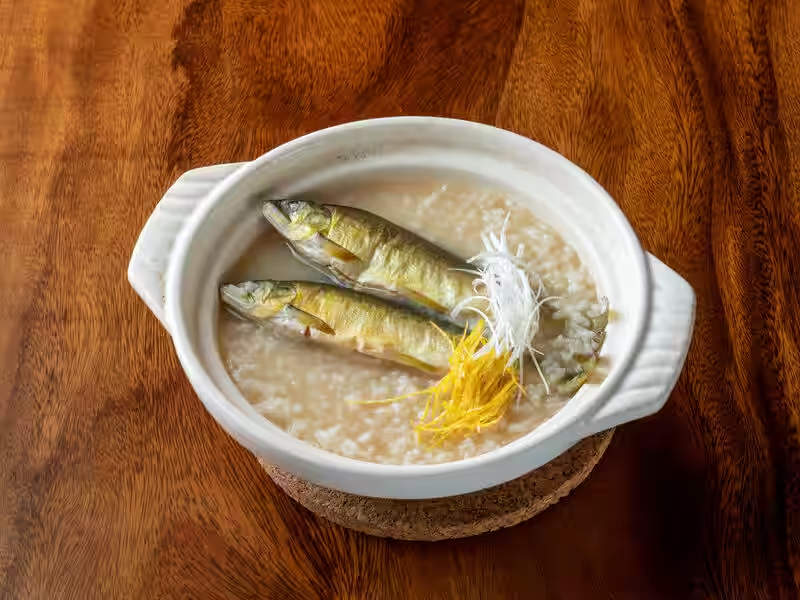
The cultural importance of Ayu in Gifu Prefecture is very deep, going back over 1,300 years. Rivers like the Nagara are fed by clean meltwater from the Japanese Alps, creating a perfect home for this delicate fish, called Kōgyo (the fragrant fish).
The fish became nationally famous during the Edo period when the powerful leader Tokugawa Ieyasu visited Gifu. He tasted the Ayu and famously announced it was “the most exquisite taste under heaven!”. This praise instantly raised Gifu Ayu to a top-tier status.
The Zousui method is also a sign of being clever and not wasting anything. Historically, it was a delicious way to use up cold leftover rice. By cooking the whole fish until the bones are soft, they make sure that you can eat all parts of the valuable sweetfish when preparing it. It boosts the broth with flavor and calcium.
Where to Eat This
Kaminagase Yana Nagomitei (上長瀬やな 和亭)
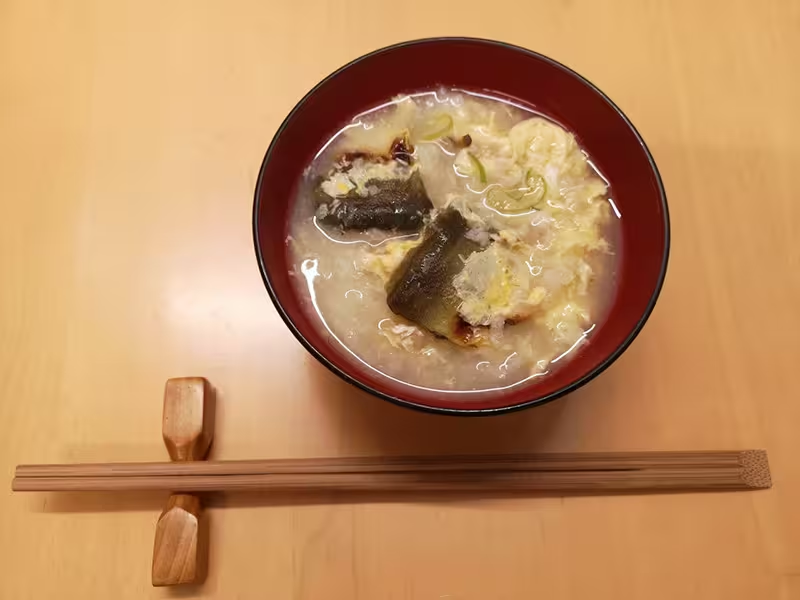
The best way to enjoy Ayu Zousui is at riverside restaurants in Gifu, many of which use old-style fishing methods. A great example is Kaminagase Yana Nagomitei (上長瀬やな 和亭) in Gifu’s Ibigawa area. Its name is tied to Yana fishing, a traditional method that uses fixed river traps. Eating here gives you more than just a meal—it’s a direct link to the region’s culture and fishing history.
For those planning a visit, here are the contact details:
Summary
Ayu Zousui is much more than a simple rice porridge; it is the definitive, historically important end to the premium Gifu Ayu meal. The dish perfectly ties together centuries of culture, environmental purity, and excellent cooking. Its light flavor comes from the clean river water, and its smart cooking method makes it uniquely comforting and easy to digest.
For a unique taste of Japanese regional cooking that is both light and full of flavor, this exceptional sweetfish dish should be a priority. Readers who enjoy this style of seafood porridge may also find pleasure in similar dishes featuring ingredients like tai meshi, fugu or even in the classic Zosui.


Comments