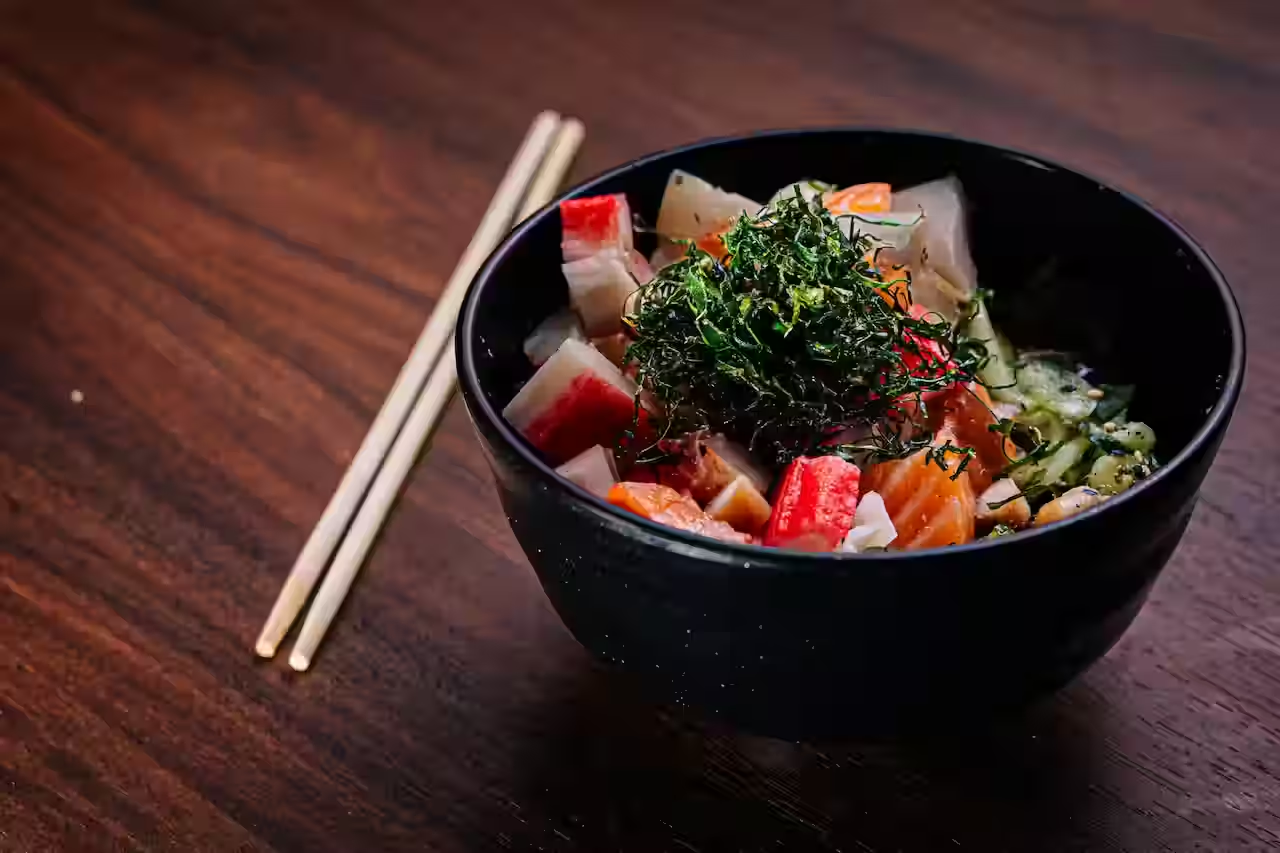

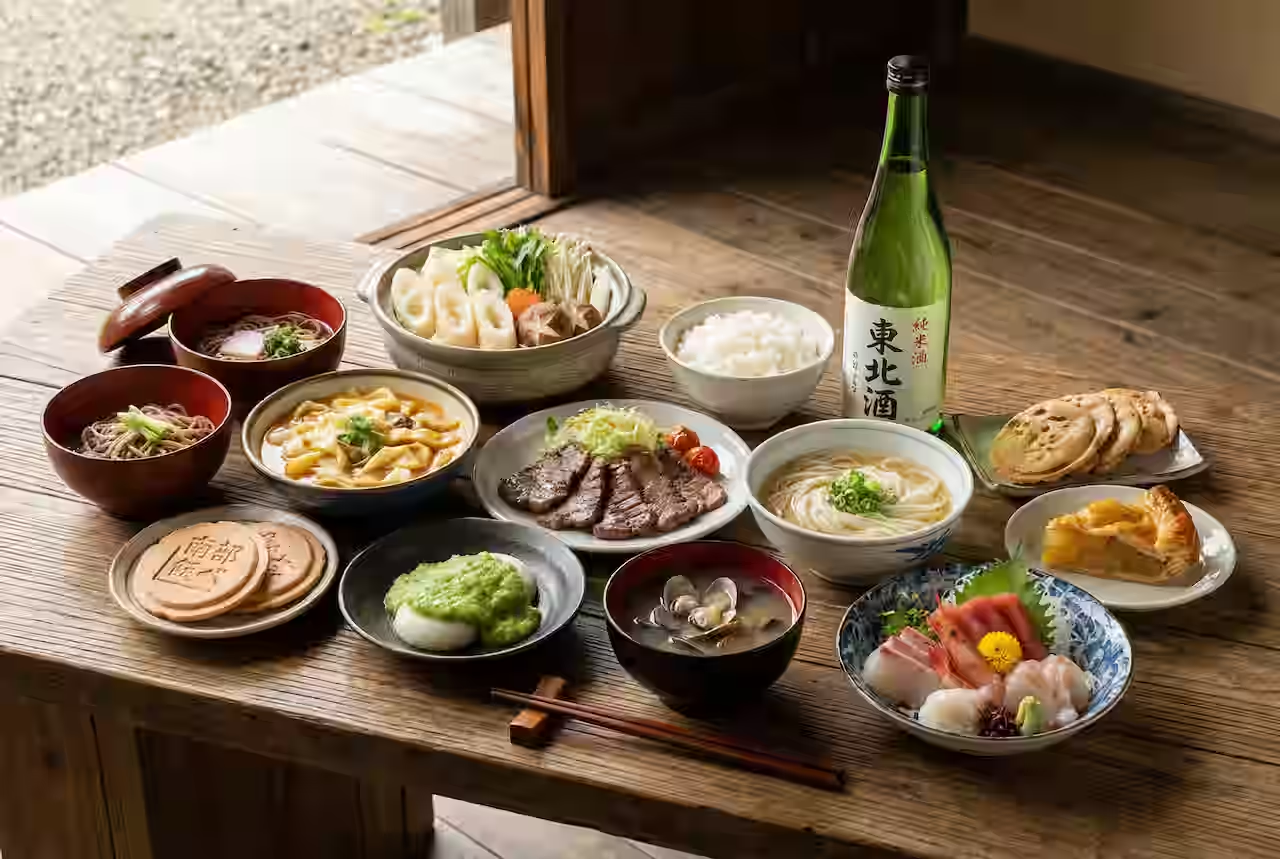
Nestled in northeastern Japan, Tohoku remains one of the country’s best-kept culinary secrets. This mountainous region of six prefectures offers distinctive flavors shaped by harsh winters, abundant seafood, and centuries of agricultural tradition.
From the Pacific coast to snow-covered highlands, Tohoku’s cuisine tells stories of resilience and resourcefulness—hearty miso-based dishes, pristine seafood, and comfort foods that have sustained generations. Whether you’re planning a trip or expanding your Japanese food knowledge, these 11 essential Tohoku specialties offer a delicious gateway into a side of Japan that too few travelers experience.
Recommended for adventurous eaters and seafood lovers on a Tohoku trip

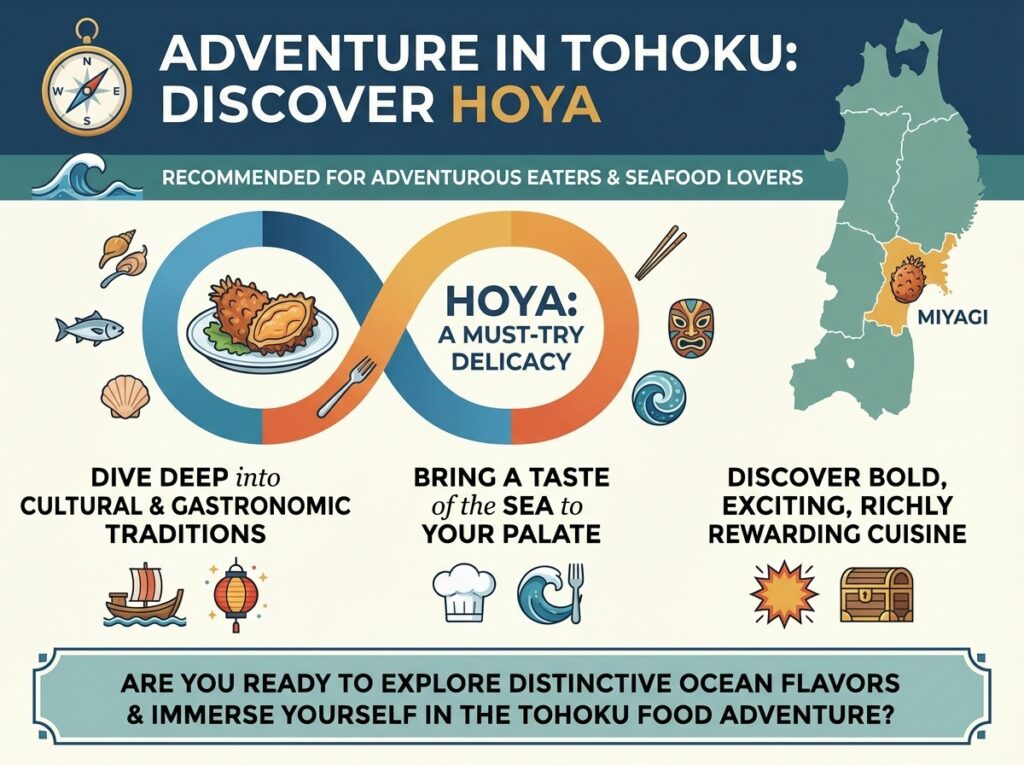
For those who are adventurous eaters or passionate about seafood, Hoya is a must-try on your Tohoku culinary journey. It offers a chance to dive deep into the cultural and gastronomic traditions of Miyagi, bringing a taste of the sea directly to your palate. By including Hoya in your Tohoku tour, you’ll have the opportunity to discover a side of Japanese cuisine that is bold, exciting, and richly rewarding. Are you ready to explore the distinctive ocean flavors of this regional delicacy and further immerse yourself in the Tohoku food adventure?
Selection Criteria for Tohoku Cuisine: What Makes the List
Includes must-try foods unique to Tohoku regional dishes
The Tohoku region of Japan is a treasure trove of unique culinary delights waiting to be explored. Each dish carries with it a slice of the region’s history and culture, making it a must-try for any food enthusiast visiting the area. From the chewy texture of Hachinohe Senbei-jiru to the interactive experience of Wanko Soba, these foods are not just meals, but an integral part of Tohoku’s cultural fabric. As you embark on your Tohoku tour, you’ll find that these dishes are not only palate pleasers but also tell a story of local traditions and the region’s natural bounty.
Selected for cultural significance and popularity on a typical Tohoku trip
When selecting dishes for a Tohoku trip, cultural significance and popularity are key factors. These regional specialties have been enjoyed by locals for generations and continue to be popular among tourists seeking authentic Japanese food experiences. Each dish, like the robust flavors of Gyu-tan Yaki and the comforting warmth of Kiritanpo Nabe, reflects the hearty and wholesome nature of Tohoku cuisine. They are staples in any Tohoku guide, ensuring that visitors can savor the essence of the region through its most cherished recipes.
Balanced for a mix of flavors (sweet, savory, umami) and main ingredients
Tohoku cuisine is a harmonious blend of tastes designed to offer a balanced sensory experience. Whether it’s the umami-rich taste of Kitakata Ramen, the sweet and savory notes in Harako Meshi, or the comforting umami in Imoni, each dish is crafted to satisfy diverse flavor profiles. This balance of sweet, savory, and umami elements, along with a variety of main ingredients, ensures that every meal is a delightful adventure for your taste buds. Such variety makes the Tohoku culinary journey not only exciting but also rewarding.
Features highlight in local Tohoku guide and culinary journey references
Featured prominently in local Tohoku guides and culinary journey references, these regional dishes are well-regarded for their authenticity and taste. They serve as culinary landmarks that guide travelers through the rich tapestry of Tohoku’s food culture. Whether you’re delving into the intricate preparation of Inaniwa Udon or exploring the robust flavors of Oma’s Tuna, these dishes offer an immersive experience. By following these culinary highlights, you’re ensured a flavorful exploration of the region that goes beyond mere sustenance.
Considered dish availability in major Tohoku cities for easy travel access
Accessibility plays a crucial role in the selection of Tohoku dishes, ensuring that travelers can easily indulge in these delights across major cities. From the bustling streets of Sendai to the historic charm of Aomori, these dishes are readily available, making them convenient stops on your culinary itinerary. The widespread availability of these popular foods, such as Morioka Jajamen or Negi Soba from Fukushima, ensures that wherever you are on your Tohoku trip, a taste of the region’s best is never far away. Ready to start your journey? Which dish will you try first?
1. Gyutan (Grilled Beef Tongue) – Sendai’s Savory Specialty

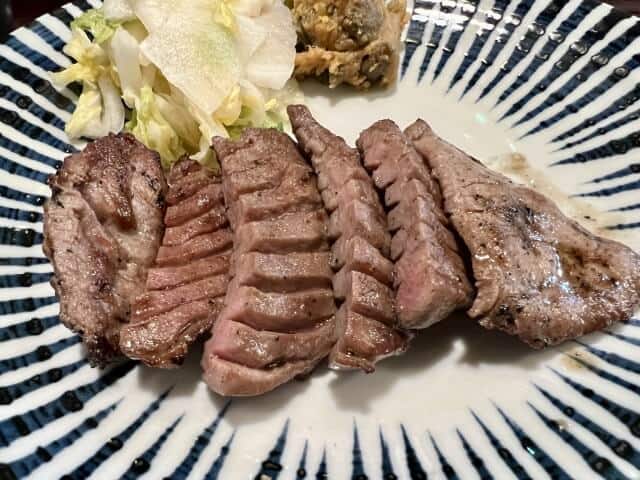
Smoky, tender slices of beef tongue grilled over charcoal; signature of Sendai
Gyutan, or grilled beef tongue, is a culinary delight that must not be missed when exploring the Tohoku region. Originating from Sendai, this dish is known for its smoky flavor and tender texture, achieved by grilling thin slices of beef tongue over a charcoal flame. The process enhances the natural taste of the meat while infusing it with a distinct aroma that is both inviting and satisfying. As a signature dish of Sendai, Gyutan perfectly embodies the rich and hearty qualities that define Tohoku cuisine.
Advantages: High in protein, iconic on any Tohoku tour
One of the standout benefits of enjoying Gyutan on your Tohoku trip is its high protein content, making it not only delicious but also nutritious. This dish has become iconic in Tohoku food culture and represents a key highlight in any Tohoku culinary journey. Its popularity among locals and tourists alike makes it a must-try delicacy. Embracing Gyutan means embracing a piece of Sendai’s heritage, giving you an authentic taste of the region’s diverse culinary offerings.
Disadvantages: Texture may be unique for some first-timers
While Gyutan is a beloved dish, some first-time tasters might find its texture a bit unique. The tongue’s natural firmness can be unexpected for those unfamiliar with this Japanese delicacy. However, this should not deter you from experiencing its flavorful appeal. With its distinct taste and cultural significance, Gyutan is worth trying at least once for an authentic Tohoku guide to local flavors.
Recommended on a Tohoku culinary journey for true regional flavor
If you’re embarking on a Tohoku tour, adding Gyutan to your itinerary is highly recommended for an authentic culinary experience. This dish is not just about satisfying your hunger but about indulging in a piece of regional history. As you savor each bite, reflect on the rich traditions and the passion that goes into crafting this unique dish. Are you ready to explore more of what Tohoku cuisine has to offer? Dive into the local specialties and discover the essence of Japanese regional dishes through Gyutan.
2. Kiritanpo – Akita’s Cozy Comfort Food

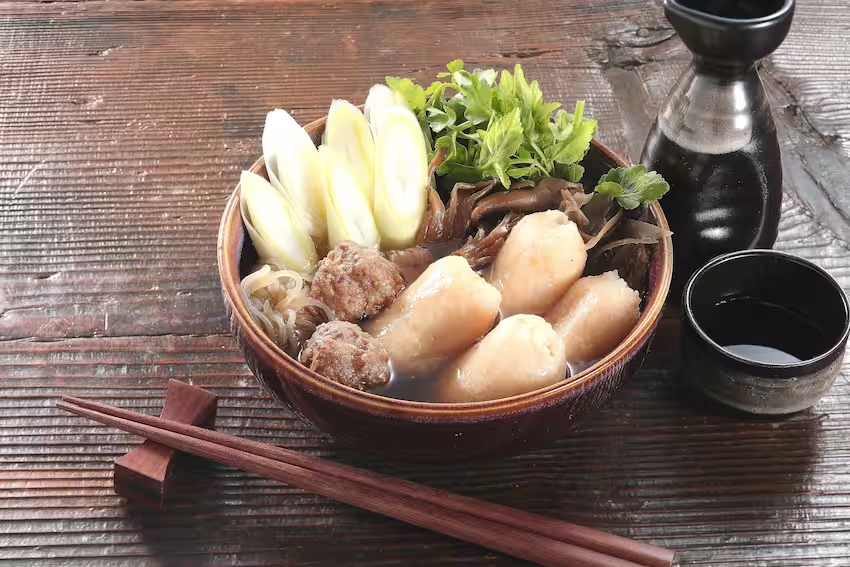
Grilled pounded rice sticks in hotpot broth, classic winter Japanese food in Tohoku
When the cold winds sweep through Tohoku, nothing comforts quite like Kiritanpo, a beloved winter staple from Akita. This heartwarming dish features grilled pounded rice sticks, known as “kiritanpo,” which are simmered in a flavorful hotpot broth. The rice sticks, traditionally made by wrapping mashed rice around cedar skewers and grilling them until they are golden brown, soak up the rich flavors of the broth, creating a satisfying culinary experience. This dish is more than just a meal; it’s a celebration of Tohoku’s rustic charm and traditional Japanese cooking methods.
Advantages: Gluten-free, warming and filling, perfect group meal
Kiritanpo not only warms the soul but also caters to various dietary preferences, being naturally gluten-free and highly nutritious. Its simple ingredients and hearty nature make it a filling meal, perfect for sharing. Gather around a steaming pot of Kiritanpo with family or friends, and you’ll find the communal cooking and eating experience heartwarming. This dish is ideal for those chilly Tohoku evenings, where its warmth and savory aroma provide comfort and joy. So, why not try this delightful dish on your next Tohoku trip and experience the essence of Japanese delicacies firsthand?
Disadvantages: May be seasonally limited; best in colder months
Despite its deliciousness, Kiritanpo is often seasonally limited, being predominantly served during the colder months. Its availability can be a downside for travelers visiting Tohoku outside winter, as this dish is best enjoyed when the weather is chilly, enhancing the cozy experience. However, its seasonal nature adds to its charm, marking it as a special treat that locals and visitors alike eagerly anticipate. If you plan a Tohoku tour, timing your visit to savor Kiritanpo might just add that extra layer of authenticity to your culinary journey.
Perfect for sharing on a Tohoku trip with family or friends
There’s something extraordinary about sharing a pot of Kiritanpo with loved ones. This communal dish is perfect for bringing people together, whether you’re on a Tohoku tour or spending a quiet evening in Akita. As you gather around the table, the aromatic steam mingles with laughter and conversation, creating memories flavored with culture and tradition. Sharing Kiritanpo not only enhances your Tohoku guide experience but also immerses you in the region’s rich culinary heritage. So, gather your companions, and let the warmth of Kiritanpo enrich your Tohoku culinary journey.
3. Wanko Soba – Iwate’s Endless Miniature Bowls

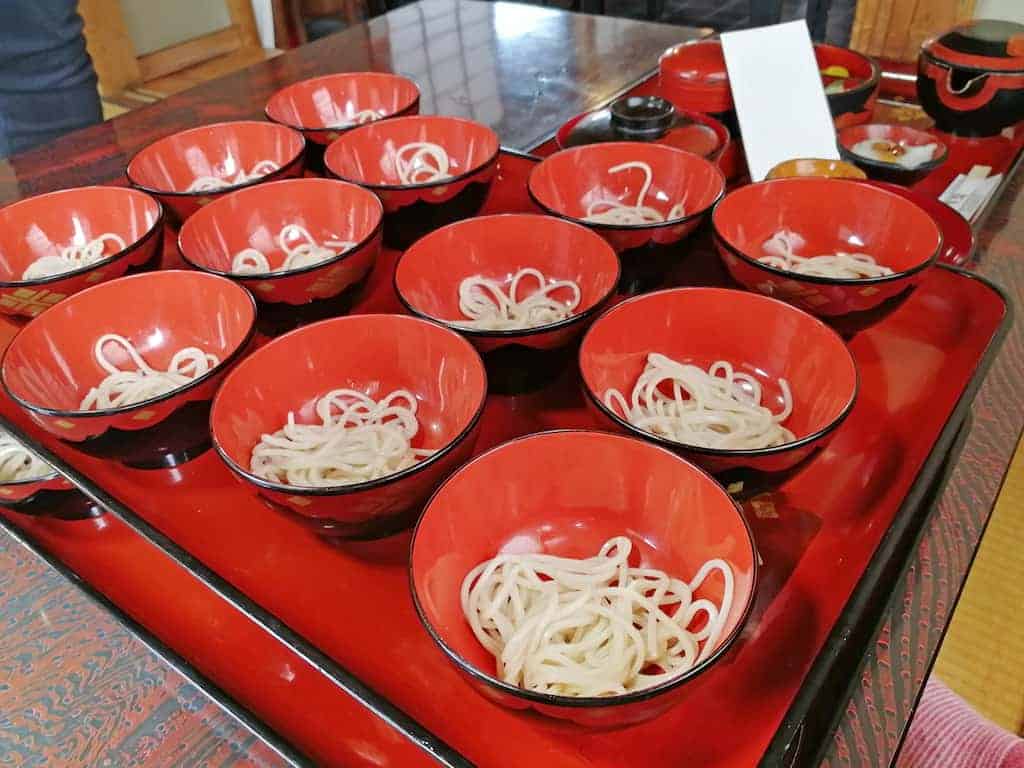
Light buckwheat soba in small bowls, perfect for competitive eaters
Embark on a culinary adventure with Iwate’s Wanko Soba, where light buckwheat soba is served in charmingly small bowls, perfect for those with a competitive streak. This vibrant dish isn’t just about savoring a beloved Tohoku cuisine; it’s about challenging yourself to see just how many bowls you can conquer. The soba, delicate in flavor and texture, provides a delightful experience that is both satisfying and entertaining. Each miniature bowl offers a perfectly portioned taste, making it an inviting endeavor for those who relish a fun and interactive dining experience.
Advantages: Fun, interactive dining experience, a Japanese delicacy Tohoku is known for
Wanko Soba isn’t merely a meal—it’s a celebration of Japanese regional dishes, famed for its lively and interactive nature. This Tohoku food tradition invites diners to engage in a friendly competition, where each bite is accompanied by the anticipation of the next bowl arriving swiftly before you. As a part of the Tohoku cuisine highlights, it’s an opportunity to immerse yourself in the local culture while enjoying a Japanese delicacy Tohoku is proud to showcase. The excitement of stacking empty bowls high is a unique experience that transforms dining into an unforgettable event.
Disadvantages: Can be overwhelming for light eaters
For those with a lighter appetite, Wanko Soba might feel overwhelming as the bowls keep coming until you signal to stop. Despite its miniature size, accumulating bowl after bowl can become quite filling, potentially overshadowing the enjoyment for those not accustomed to large quantities. Light eaters might find the rapid-fire serving style more intimidating than entertaining, as the relentless pace can make it challenging to savor each portion. However, with a cautious approach, one can still appreciate the cultural essence without overindulging.
A must on any Tohoku tour to experience local food culture
No Tohoku culinary journey is complete without experiencing Wanko Soba. This iconic dish is a testament to the vibrant food culture and traditions of the region, providing an authentic taste of Japanese food in Tohoku. Whether you’re a seasoned eater or a curious traveler, including Wanko Soba on your Tohoku tour allows you to delve into the heart of local cuisine. It’s an invitation to partake in a cherished cultural practice, offering an exhilarating blend of flavors and fun. So why not challenge yourself and see how many bowls you can conquer on your next Tohoku trip?
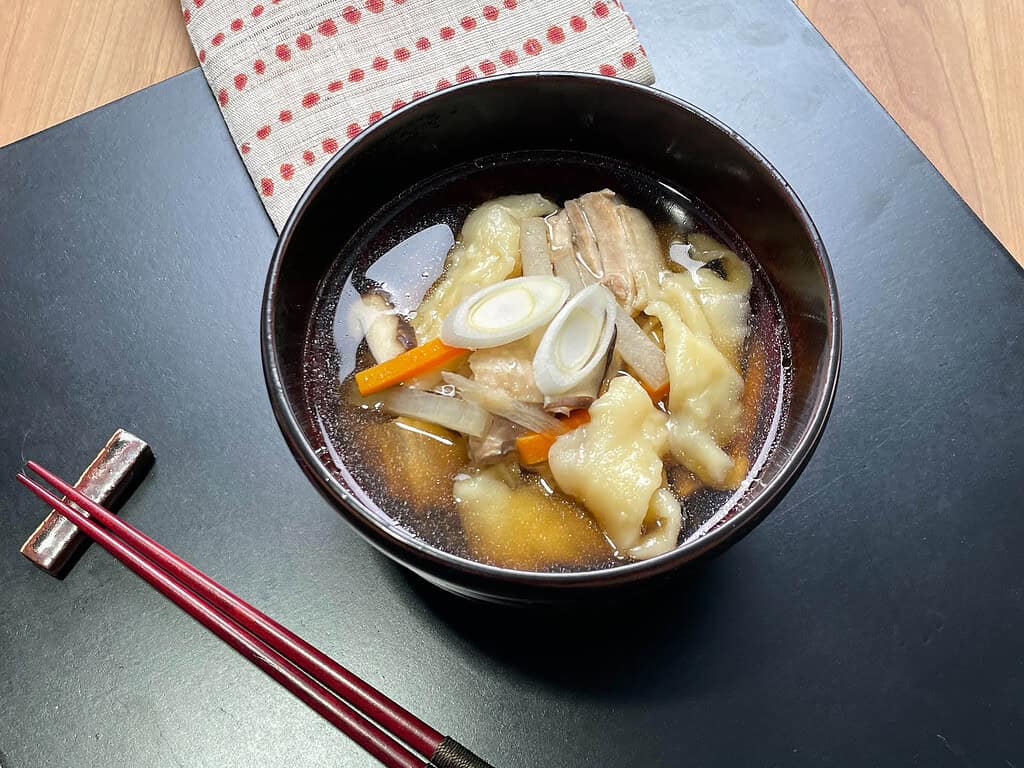
4. Hittsumi – Miyagi’s Rustic Noodle Stew

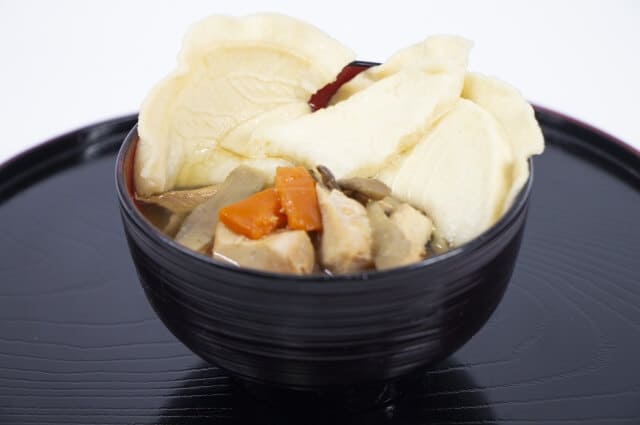
出典:農林水産省ウェブサイト
Hand-pulled dough dumplings simmered with local vegetables and chicken
Hittsumi is a delightful culinary creation from Miyagi, Tohoku that’s sure to capture the hearts of those seeking authentic Japanese regional dishes. Imagine tender, hand-pulled dough dumplings, gently simmered with an assortment of local vegetables and succulent chicken, all infused with the rich flavors of a comforting broth. This rustic stew embodies the spirit of Tohoku cuisine, highlighting the freshness and quality of regional produce. It’s not just a meal, but a warm invitation to experience the homely essence of Miyagi’s culinary traditions.
Advantages: Hearty, homestyle, uses fresh regional produce
The advantages of hittsumi are plentiful, making it a must-try for anyone on a Tohoku culinary journey. Its hearty, homestyle nature makes it the perfect dish to enjoy during a cozy meal, especially in Tohoku’s colder months. Crafted using the freshest regional produce, hittsumi showcases the natural flavors of the land, offering a truly authentic taste of Japan. This delicious stew not only fills the stomach but also warms the soul, inviting you to savor every spoonful with joy.
Disadvantages: Less known, but a hidden gem among Japanese regional dishes
Although hittsumi remains less known compared to other Japanese delicacies in Tohoku, it’s a hidden gem waiting to be discovered. Its unassuming presence on the culinary map means it might be overlooked by those not in the know. However, for the explorers among us, this adds to its allure. Finding hittsumi can feel like uncovering a culinary secret, a reward for those willing to delve deeper into the vibrant tapestry of Tohoku food. Remember, sometimes the best experiences are those that are yet to be widely acknowledged.
Recommended for food adventurers looking for authentic Tohoku cuisine highlights
Hittsumi is highly recommended for food adventurers eager to sample the authentic highlights of Tohoku cuisine. It’s a dish that promises more than just flavor; it offers an authentic experience of regional culture and tradition. As you embark on your Tohoku trip or tour, make sure to seek out this humble stew. Let it be your gateway to exploring the rich, diverse landscape of Japanese regional dishes. Are you ready to add hittsumi to your Tohoku guide and savor a taste of Miyagi’s rustic charm?
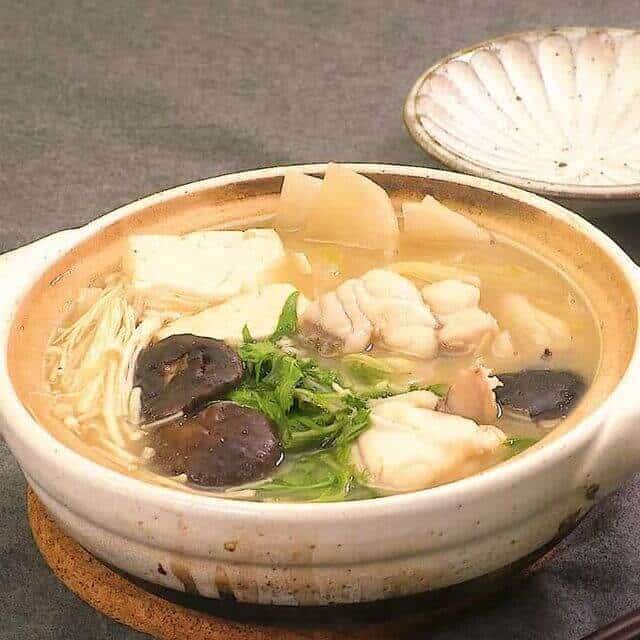
Anko Nabe – Snow Crab Hotpot from Aomori

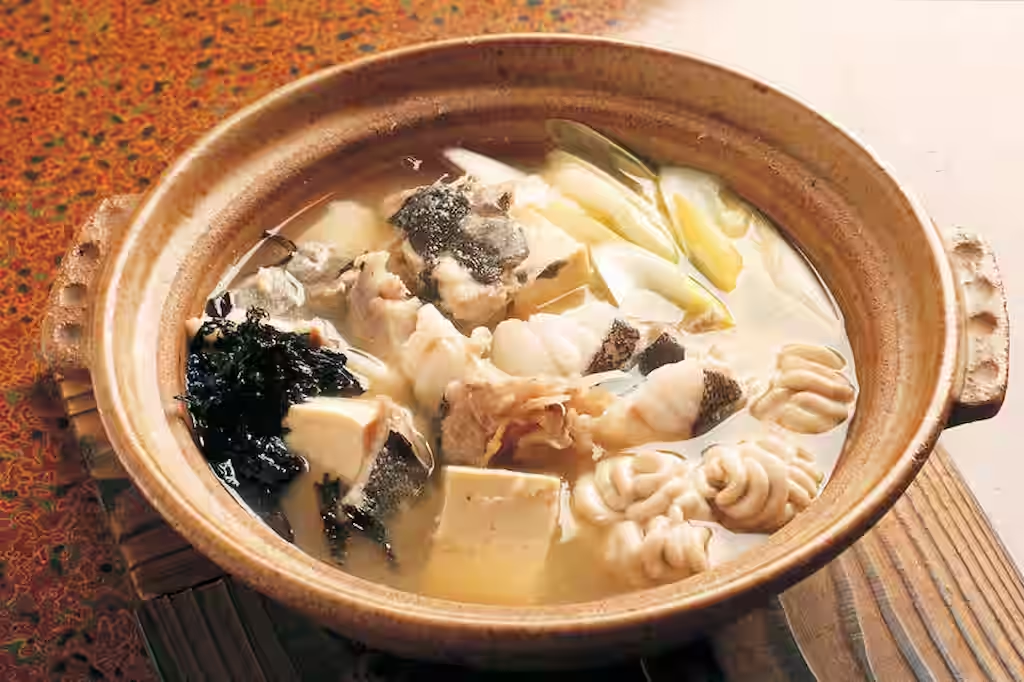
Rich hotpot featuring monkfish or snow crab, topped with local veggies
Imagine delving into a steaming bowl of Anko Nabe, a culinary gem from Aomori. This rich hotpot, which features either monkfish or snow crab, is a celebration of Tohoku’s abundant seafood. The pot is artistically topped with a medley of local vegetables, providing a colorful and nutritious feast for the senses. It’s a dish that stands out in Tohoku cuisine, offering a taste of the sea harmonized with the earthiness of fresh produce. Perfect for a cold day, this hotpot embodies warmth and comfort, making it an essential part of any Tohoku food journey.
Advantages: Brings out deep umami, luxurious holiday meal
Anko Nabe is not just a meal; it’s an experience that brings out the deep umami flavors of the sea. The rich broth, simmered to perfection, highlights the luxurious taste of snow crab or monkfish, making it a special treat for any holiday or festive occasion. As you embark on your Tohoku tour, this dish serves as a delightful reminder of the region’s rich culinary heritage. The intricate interplay of flavors in Anko Nabe captures the essence of Japanese delicacies in Tohoku, turning any meal into a memorable event.
Disadvantages: Higher price; availability is seasonal
While Anko Nabe offers an unmatched dining experience, there are certain disadvantages to consider. The price can be higher due to the premium quality of ingredients like snow crab and monkfish. Additionally, its availability is often seasonal, aligning with local seafood festivals and the winter months when the flavors are at their peak. These factors might pose a challenge for those planning a Tohoku trip, but the opportunity to savor this regional specialty during a Tohoku culinary journey is well worth it.
Treat yourself to this Japanese food in Tohoku during seafood festivals
Treating yourself to Anko Nabe during Tohoku’s seafood festivals is an opportunity not to be missed. These festivals are the perfect backdrop for enjoying this luxurious dish, as they celebrate the bounty of the sea and the community spirit of the region. Participating in these festivals provides a rich cultural experience beyond just food, offering an authentic slice of life in Tohoku. So, when you plan your next Tohoku trip, consider timing it with one of these vibrant events. Wouldn’t you love to dive into an unforgettable culinary adventure in the heart of Tohoku?
Sashimi Konnyaku – Yamagata’s Vegan Alternative
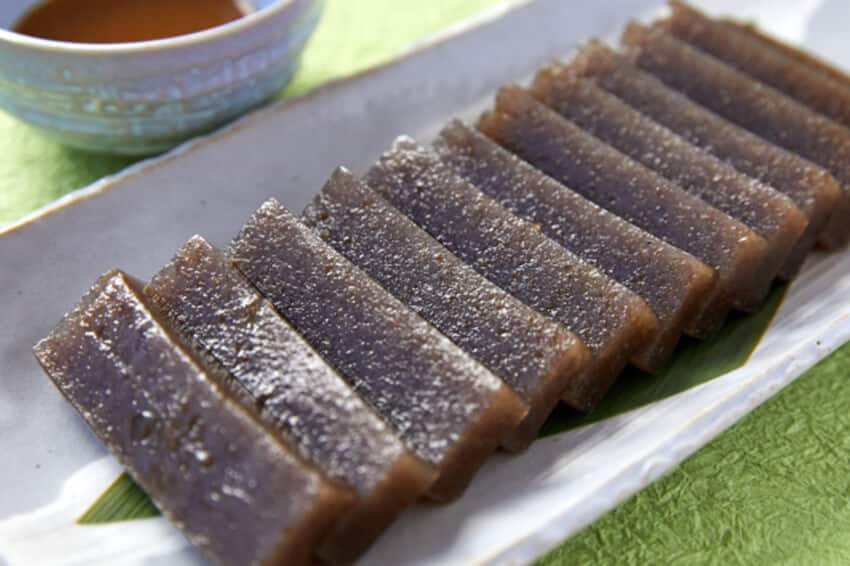
Jelly-like konjac sliced and served like sashimi, low-calorie specialty
When embarking on a Tohoku culinary journey, one must experience the unique taste and texture of Sasshimi Konnyaku, a specialty from Yamagata. This innovative dish presents konjac, a jelly-like plant-based ingredient, sliced and served to mimic the traditional presentation of sashimi. It’s a low-calorie marvel that offers a delightful twist on Japanese delicacies in Tohoku. Ideal for those on a Tohoku tour seeking vegan-friendly options, Sasshimi Konnyaku is a testament to the region’s ability to innovate within its rich culinary traditions. The dish not only caters to health-conscious travelers but also introduces them to the distinctive textures that Japanese regional dishes have to offer.
Advantages: Healthy, vegan-friendly option, unique texture
Sasshimi Konnyaku stands out as a Tohoku cuisine highlight for its health benefits and accessibility to various dietary preferences. As a vegan-friendly dish, it allows everyone to partake in the rich tapestry of Japanese food in Tohoku without compromise. The unique, jelly-like texture offers an engaging culinary experience, a refreshing departure from conventional sashimi. This feature not only appeals to those seeking new gastronomic adventures on their Tohoku trip but also aligns with the wellness trend among Japanese regional dishes. So, why not enhance your Tohoku tour with this intriguing, health-conscious dish?
Disadvantages: Acquired taste for some visitors
While Sasshimi Konnyaku is a celebrated addition to Yamagata’s vegan offerings, it might present a culinary challenge for some visitors. The dish’s unique texture and mild flavor profile may require a bit of acclimatization for those unaccustomed to konjac. However, this acquired taste is precisely what makes exploring Tohoku food so rewarding; it invites you to expand your palate and embrace new experiences. If you’re open to trying something different on your Tohoku trip, you’ll find that Sasshimi Konnyaku embodies the adventurous spirit of discovering Japanese food in Tohoku.
Pair with sake on your Tohoku culinary journey to balance flavors
To fully appreciate the nuanced flavors of Sasshimi Konnyaku, pairing it with a fine sake can transform your dining experience. The crisp, clean notes of sake beautifully complement the subtle taste of konjac, creating a harmonious balance that enhances the overall meal. As you explore the Japanese delicacies Tohoku has to offer, consider this pairing a must-try on your Tohoku guide to culinary delights. By integrating local sake into your meal, you not only savor the unique textures of the dish but also immerse yourself deeper into the cultural richness of a Tohoku culinary journey. Have you ever considered how a simple pairing could elevate your gastronomic adventure?
7. Hoya (Sea Squirt) – Miyagi’s Bold Ocean Flavor
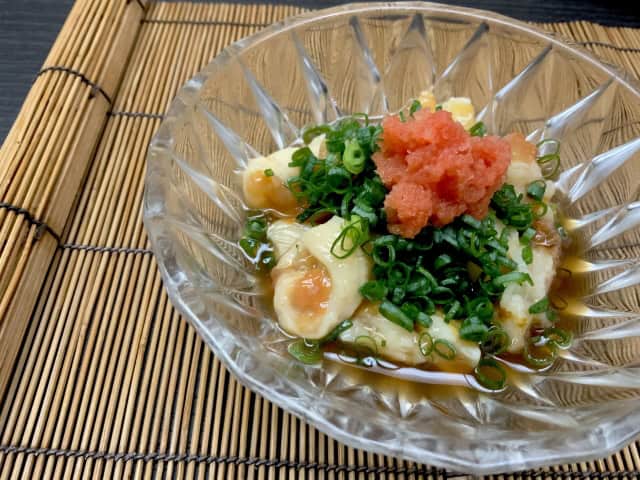
Distinctive, briny seafood eaten raw or pickled, a true Japanese delicacy
Hoya, also known as sea squirt, stands out as one of the most distinctive offerings in Tohoku cuisine. With its briny taste, this seafood is often enjoyed raw or pickled, making it a true Japanese delicacy. The texture is unique, offering a satisfying bite that complements its bold oceanic flavor. Hoya’s preparation can vary, but it consistently delivers an authentic taste of the sea, capturing the essence of Miyagi’s rich maritime heritage.
Advantages: Very local taste, high in nutrients
For those seeking authentic Tohoku food, Hoya offers a uniquely local taste that embodies the region’s culinary spirit. Rich in nutrients, it provides an excellent source of vitamins and minerals, particularly iodine, which supports thyroid health. This makes it not only a flavorful choice but also a health-conscious one. Enthusiasts of Japanese food in Tohoku will find Hoya to be a nutritional powerhouse, offering a taste of the local sea directly onto their plates.
Disadvantages: Bold, oceanic flavor not for everyone
However, the bold oceanic flavor of Hoya is not for everyone. Its strong taste can be overwhelming for those unaccustomed to robust seafood flavors. Some might find its briny profile challenging, making it a delicacy best suited for adventurous eaters. It’s a dish that demands a willingness to embrace the unexpected, and it may require an acquired taste to fully appreciate its unique qualities.
Try during a Tohoku guide seafood tasting for adventurous eaters
For the adventurous eater on a Tohoku culinary journey, trying Hoya during a seafood tasting can be an exhilarating experience. Under the guidance of a knowledgeable Tohoku guide, you’ll have the opportunity to savor this local delicacy in its most authentic form. Embrace the bold flavors and step out of your comfort zone to explore the depths of Tohoku’s sea offerings. Are you ready to challenge your taste buds and discover what makes Tohoku cuisine truly special?
8. Ika Meshi – Hokkaido Influence, Tohoku Popularity
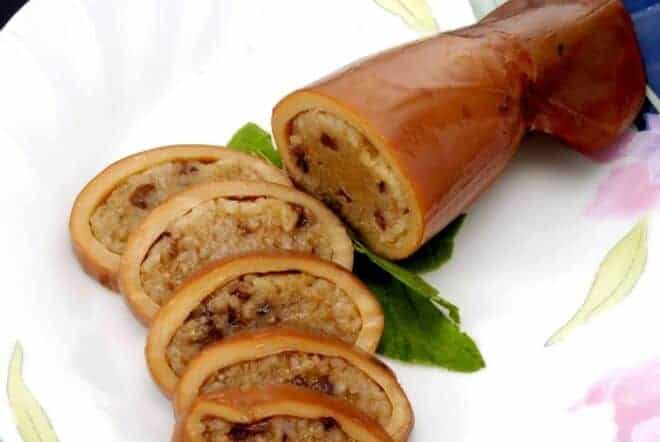
Stuffed squid with sweet-savory rice, popular bento on Tohoku trains
Ika Meshi, a delightful culinary creation, is a testament to the rich tapestry of Tohoku cuisine. This iconic dish consists of squid meticulously stuffed with sweet-savory rice, making it a popular choice for bento boxes on Tohoku trains. The irresistible combination of tender squid and flavorful rice creates a sensory experience that captures the essence of Japanese regional dishes. As you embark on a Tohoku trip, indulging in Ika Meshi is an experience not to be missed, offering a taste of tradition and innovation on your journey.
Advantages: Portable, filling, showcases local seafood
One of the standout advantages of Ika Meshi is its portability, making it the perfect companion for those long Tohoku tours. Its filling nature ensures that travelers remain satiated as they explore the beautiful landscapes of the region. Moreover, this dish showcases the bounty of local seafood, offering a delicious glimpse into the Tohoku culinary journey. The harmonious blend of textures and flavors makes it a highlight of Tohoku cuisine, appealing to both seafood enthusiasts and those new to Japanese delicacies in Tohoku.
Disadvantages: Not ideal for those avoiding shellfish or cephalopods
However, Ika Meshi may not suit everyone’s taste. For individuals avoiding shellfish or cephalopods, this dish might not be ideal. The rich flavors of the squid, although a delight for many, might not cater to those with specific dietary restrictions. If you find yourself exploring the diverse offerings of Japanese food in Tohoku, being aware of these ingredients ensures you can fully enjoy your Tohoku guide to culinary delights without any reservations.
An ideal snack or meal during railway travel across Japanese regional dishes
Whether you’re embarking on a railway adventure or a leisurely Tohoku tour, Ika Meshi serves as an ideal snack or meal. Its compact form and robust flavors resonate with the essence of Japanese food in Tohoku, providing a unique culinary experience. As you travel through the picturesque landscapes, let Ika Meshi accompany you, enhancing your journey through Japanese regional dishes. How will you savor the flavors of Tohoku cuisine on your next adventure?
9. Shiokara – Fermented Seafood for the Brave
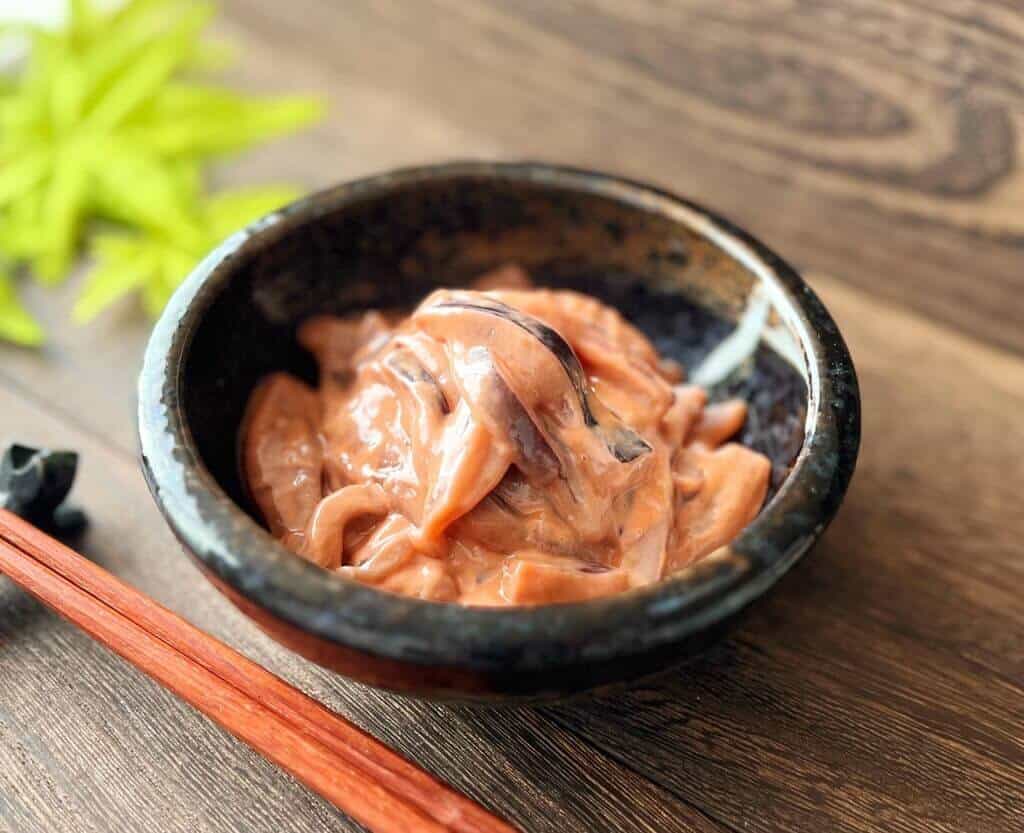
Fermented viscera of fish or squid, strong umami punch, classic with sake
Embarking on a Tohoku culinary journey isn’t complete without sampling the bold and daring flavors of Shiokara. This Japanese delicacy Tohoku offers is made from the fermented viscera of fish or squid, delivering a potent umami punch that’s both complex and memorable. It’s a dish that pairs perfectly with sake, as the strong flavors intermingle beautifully, creating an experience that is quintessentially Tohoku.
Advantages: Pairs well with drinks, true taste of Tohoku cuisine
One of the standout advantages of Shiokara is its ability to enhance any Tohoku trip, thanks to its perfect pairing with local drinks. For those eager to taste the true essence of Tohoku cuisine highlights, Shiokara serves as a bridge to the region’s deep culinary traditions. Its rich and savory profile offers a glimpse into the dedication and skillful fermentation artistry that defines Japanese food in Tohoku.
Disadvantages: Intense flavor and aroma can be challenging
However, Shiokara is not for the faint-hearted. Its intense flavor and robust aroma can be challenging even for seasoned food adventurers. This dish is a test of one’s palate and courage, making it a thrilling yet potentially polarizing addition to a Tohoku tour. It’s a bold choice that will leave a lasting impression, though it might not resonate with everyone.
Best sampled with a local guide on a Tohoku food adventure
For those willing to take on the challenge, sampling Shiokara with a local Tohoku guide offers an enriching experience. Their insights and expertise can elevate your understanding of this Japanese regional dish, showcasing its cultural significance and preparation secrets. Are you ready to embrace the bold flavors of Tohoku cuisine and make Shiokara a highlight of your food adventure?
10. Zunda Mochi – Miyagi’s Sweet Soybean Treat
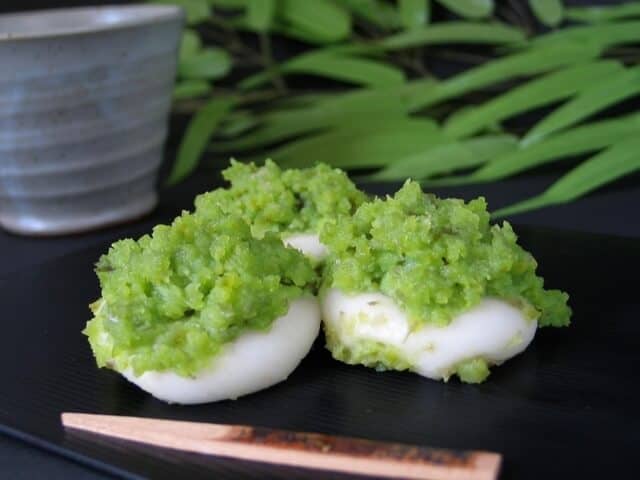
Chewy mochi topped with fresh mashed edamame paste, bright green delight
Zunda Mochi is a delightful treat that brings a burst of color and flavor to the table. This Japanese delicacy from Miyagi prefecture features chewy mochi paired with vibrant green edamame paste. The paste, made from freshly mashed edamame, offers a unique texture and a slightly sweet taste that is both refreshing and satisfying. The bright green hue not only makes it visually appealing but also a photogenic dish that food enthusiasts and Instagrammers will adore. When planning your Tohoku trip, make sure to add this vivid and delicious mochi to your culinary journey.
Advantages: Slightly sweet, rich in protein, photogenic Japanese food in Tohoku
Zunda Mochi is not just a pretty face; it’s a powerhouse of nutrition and taste. The edamame paste is rich in protein, providing a nutritious snack that can be enjoyed guilt-free. Its slight sweetness appeals to those with a sweet tooth without being overwhelming, making it a versatile choice for many palates. As a photogenic dish, it stands out in any Tohoku guide or food blog, capturing the essence of Japanese food in Tohoku. With its health benefits and aesthetic appeal, it’s no wonder Zunda Mochi is a highlight of Tohoku cuisine.
Disadvantages: May be too sweet for some savory fans
While Zunda Mochi is celebrated for its unique flavor and nutritional benefits, it might not be everyone’s cup of tea. Some savory food enthusiasts might find the sweetness of the edamame paste a bit too much, especially if they prefer more umami-rich flavors. However, for those willing to step out of their culinary comfort zone, trying this regional dish can be a rewarding experience. It offers a chance to explore the diverse flavors that Tohoku culinary journey has to offer, encouraging even the most skeptical to give it a try.
Perfect dessert for a Tohoku trip, especially in spring
Zunda Mochi is the perfect dessert to conclude a Tohoku tour, particularly in the spring when the fresh edamame is in season. Its refreshing taste and vibrant color mirror the rejuvenating spirit of springtime in Japan, making it an ideal treat during this period. Whether you’re wandering through the scenic landscapes or indulging in other Tohoku cuisine highlights, a serving of Zunda Mochi will undoubtedly enhance your experience. So, why not include this culinary gem in your travel itinerary and savor the sweet side of your Tohoku adventure?
11. Nanbu Senbei – Crispy Northern Crackers
Wheat crackers baked plain or with seeds/nuts, local snack favorite
Nanbu Senbei are a quintessential part of Tohoku cuisine, offering a delightful crunch that captures the essence of this region’s traditional flavors. These wheat-based crackers can be enjoyed plain or with an assortment of seeds and nuts which add a distinct texture. Beloved by locals and visitors alike, they have become a staple snack that represents the simplicity and authenticity of Tohoku food. Whether you’re savoring them as part of your Tohoku culinary journey or packing them as a tasty reminder of your trip, Nanbu Senbei are a must-try for anyone exploring Japanese delicacies in Tohoku.
Advantages: Long-shelf life, great souvenir from Tohoku tours
One of the significant advantages of Nanbu Senbei is their long shelf life, making them an ideal souvenir from your Tohoku trip. Their durability ensures that you can bring a piece of Tohoku back home without worrying about spoilage. These crackers encapsulate the essence of Japanese regional dishes, and they’re perfect for sharing with friends and family as a token of your Tohoku tour. Discovering Tohoku food through such enduring delicacies not only broadens your palate but also keeps the memories of your Tohoku culinary journey alive long after your visit.
Disadvantages: Can be dry alone; best enjoyed with soup or tea
While Nanbu Senbei are undeniably delicious, they can be somewhat dry when eaten alone. To fully appreciate these crispy treats, it’s recommended to pair them with a warm bowl of soup or a soothing cup of tea. This combination not only enhances the flavor but also introduces you to a more traditional way of enjoying Tohoku cuisine. So, if you find yourself longing for a more complete Japanese regional dish experience, try dipping them into a savory broth or brewing a fragrant tea to accompany your snack.
Combine in stews like Senbei-jiru for an authentic Japanese regional dish experience
For a truly authentic Tohoku culinary experience, incorporate Nanbu Senbei into stews like Senbei-jiru. This dish combines the crispy texture of the crackers with a rich, flavorful broth, creating a unique blend that highlights the best of Tohoku food. The crackers soften in the stew, absorbing the flavors while maintaining a satisfying bite. This method of preparation not only showcases the versatility of Nanbu Senbei but also immerses you in the heart of Japanese regional dishes. Why not try crafting this delightful stew at home and bring a taste of the Tohoku guide right to your kitchen?
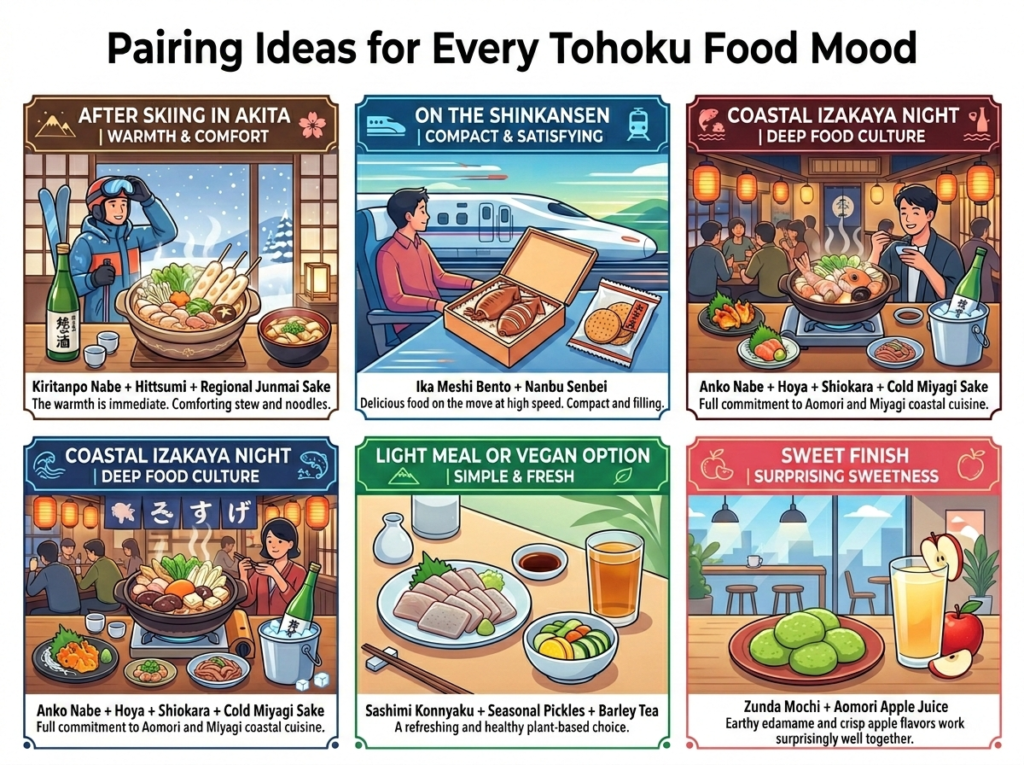
Combination Suggestions for Every Tohoku Food Scene
For warming up after skiing: Kiritanpo & Hittsumi with regional sake
After an exhilarating day on the snowy slopes of Tohoku, there’s nothing quite like warming up with a hearty meal of Kiritanpo and Hittsumi. These are quintessential Tohoku dishes that embody the region’s rich culinary traditions. Kiritanpo is a comforting hot pot featuring skewered rice cakes, while Hittsumi is a delightful soup with hand-torn noodle-like dumplings. Pair these dishes with a selection of local sake, and you have the perfect combination to soothe your body and soul. The harmony of flavors and the warmth they bring will make you appreciate the essence of Japanese regional dishes. Have you tried pairing your favorite winter meal with a local sake before?
Bento lunch on the Shinkansen: Ika Meshi & Nanbu Senbei for travelers
Traveling through Tohoku by Shinkansen is an experience in itself, but when you add a bento lunch of Ika Meshi and Nanbu Senbei, your journey becomes a culinary adventure. Ika Meshi, a delicious squid stuffed with rice, offers a taste of the sea, while crunchy Nanbu Senbei adds a satisfying texture to your meal. These choices embody the simple yet rich flavors of Tohoku cuisine, making them perfect companions for your scenic ride. As you savor each bite, you’ll find yourself exploring the Tohoku tour in the most delightful way imaginable. What are your go-to snacks for a train journey?
Gourmet seafood night: Anko Nabe, Hoya, & Shiokara at a coastal izakaya
Indulge in a gourmet seafood night at a coastal izakaya in Tohoku, where the fresh ocean breeze accompanies a feast of Anko Nabe, Hoya, and Shiokara. Anko Nabe, a luxurious monkfish hot pot, delivers rich flavors and a comforting warmth, while Hoya (sea pineapple) offers a unique taste of the sea. Shiokara, fermented seafood, adds an adventurous twist to your dining experience. Together, these dishes showcase the abundance of Tohoku’s marine bounty and the region’s culinary creativity. Enjoy each bite while you soak in the cozy ambiance of a local izakaya. Which seafood delicacies have you yet to discover?
Vegan or light meal: Sasshimi Konnyaku with seasonal vegetables
For those seeking a vegan or lighter meal option, Sasshimi Konnyaku with seasonal vegetables provides a refreshing and healthy choice. Konnyaku, derived from the konjac plant, is a staple in Japanese cuisine known for its jelly-like texture and health benefits. When paired with fresh, seasonal vegetables, it creates a light yet satisfying dish that aligns with the ethos of Tohoku’s culinary tradition. This combination not only highlights the versatility of Tohoku food but also offers a delightful way to enjoy plant-based dining. How do you incorporate seasonal produce into your meals?
Sweet ending: Zunda Mochi paired with Aomori apple juice
End your Tohoku culinary journey on a sweet note with Zunda Mochi paired with Aomori apple juice. Zunda Mochi, made from sweet edamame paste, is a beloved dessert in the region that complements the refreshing taste of Aomori’s renowned apples. This pairing is a delightful celebration of both traditional and contemporary Tohoku cuisine highlights, offering a unique blend of flavors that are sure to please your palate. As you savor this sweet ending, you’ll carry a taste of Tohoku’s warmth and hospitality with you. What are some of your favorite dessert pairings?
Conclusion
erwhelming for those unaccustomed to seafood with pronounced briny notes. Some might find its flavor profile too intense, making it an acquired taste even among adventurous eaters. Despite this, Hoya remains a prized delicacy for those with an appreciation for robust marine flavors.
Best enjoyed with local sake for a complete experience
To fully appreciate Hoya’s unique taste, pairing it with local sake can enhance your culinary experience. The subtle sweetness and smooth texture of sake balance the boldness of Hoya, providing a harmonious fusion of flavors. This pairing not only complements the dish but also immerses you in the cultural experience of Tohoku’s food traditions. As you savor each bite, you’ll gain a deeper understanding of the region’s gastronomic offerings. Are you ready to embrace Miyagi’s bold ocean flavors on your next Tohoku adventure?
In conclusion, Tohoku’s culinary landscape is as diverse and rich as its cultural heritage. Each dish, from the smoky Gyutan to the comforting Kiritanpo, offers a unique taste of the region’s history and traditions. Whether you’re drawn to the interactive fun of Wanko Soba or the hearty warmth of Hittsumi, every meal tells a story of Tohoku’s natural bounty and community spirit. By exploring these regional specialties, you’ll not only satisfy your palate but also embark on a journey through the heart of Tohoku’s vibrant food culture. So, as you plan your Tohoku culinary adventure, be sure to savor each dish with the understanding that you’re tasting a piece of the region’s soul. Which of these culinary delights will you start with on your next visit?


Comments