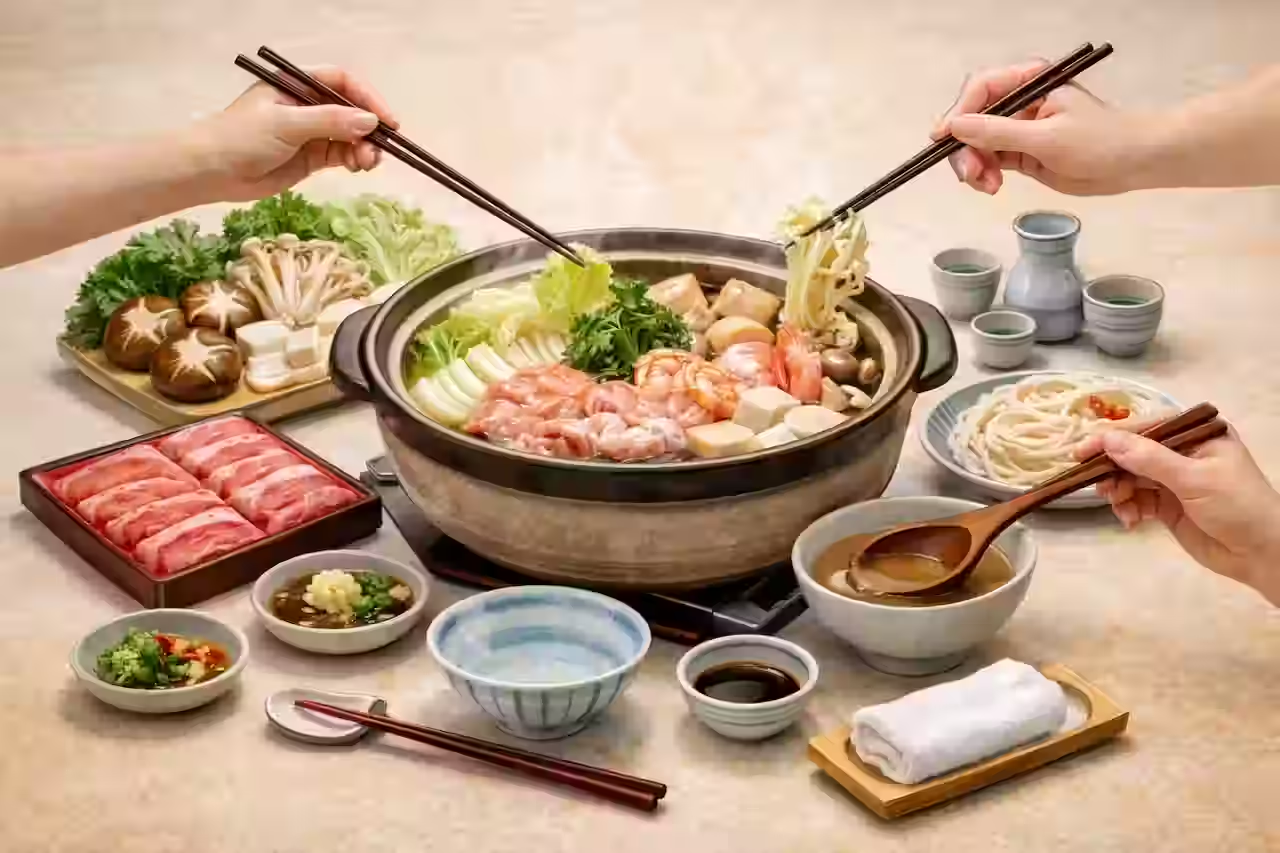
Japanese nabe pot, a traditional hot pot dish, represents one of Japan’s most beloved dining styles where family and friends gather around a single pot to share a meal together. More than just a way to warm up during cold seasons, the Japanese nabe pot serves as a social occasion that brings people closer together. From sukiyaki and shabu-shabu to yosenabe and mizutaki, there are countless regional and seasonal variations of Japanese nabe pot. Because everyone shares from the same pot, there are unique manners and rules that have developed around this communal dining experience. Understanding these customs will help you enjoy your Japanese nabe pot more comfortably while showing consideration for others at the table.
TOC
Basic Eating Rules
Always Use a Small Plate When eating Japanese nabe pot, you must always transfer food to your own small plate before eating. Never eat directly from the pot or put your mouth to it. Your small plate is also used to hold dipping sauces like ponzu or sesame sauce.
Serving Chopsticks vs. Personal Chopsticks The chopsticks you use for eating are your personal chopsticks. People call the communal chopsticks serving chopsticks (取り箸 toribashi). These serving chopsticks help you serve food from the Japanese nabe pot. In formal settings or business meals, always use serving chopsticks. If serving chopsticks aren’t available, some people flip their personal chopsticks upside down to serve food. However, this method isn’t very hygienic. You should avoid it if possible. In casual settings with close family or friends, using personal chopsticks directly may be acceptable, but gauge the atmosphere and observe what others are doing.
Proper Seating Position When sitting down to enjoy Japanese nabe pot, be mindful of the “nabe bugyo” (鍋奉行, pot master) if there is one, the person managing the cooking. Don’t sit where you’ll interfere with their work. Also, if there’s a sense of hierarchy, older people or those of higher status typically sit in the seat of honor.
How to Serve Yourself
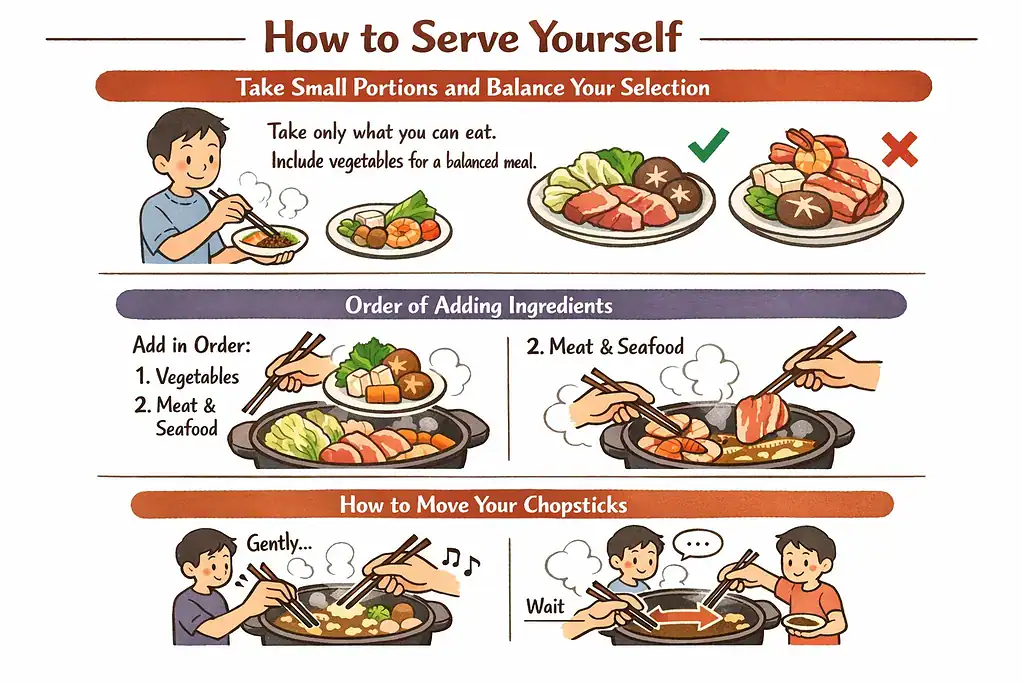
Take Small Portions and Balance Your Selection Avoid piling too much food onto your plate at once. Japanese nabe pot is meant to be enjoyed over an extended period, so take only what you can eat at that moment. Rather than taking only popular items like meat or shrimp, be sure to include vegetables for a balanced selection. This shows consideration for others and ensures everyone can enjoy all ingredients throughout the meal.
Order of Adding Ingredients Generally, vegetables and root vegetables that take longer to cook go in first, followed by meat and seafood. However, with sukiyaki, meat is often cooked first before adding vegetables. Different types of Japanese nabe pot have different sequences, so if you’re trying a new variety, follow someone experienced or simply ask.
How to Move Your Chopsticks When serving yourself from the Japanese nabe pot, avoid stirring vigorously or breaking apart ingredients. Move gently and quietly. If someone else is reaching for food, wait to avoid collision or serve yourself from a different area of the pot.
When to Eat
Check That Food Is Fully Cooked Always ensure ingredients are thoroughly cooked before eating. Raw or undercooked meat, seafood, and shellfish pose food poisoning risks. Make sure pork and chicken are cooked all the way through with no pink remaining. With shabu-shabu, thinly sliced meat cooks after just a few swirls in the broth, but thicker cuts need more time.
Start Eating Together Especially in formal settings or with people you’ve just met, wait until everyone has food on their plate before saying “itadakimasu” and beginning to eat. Don’t start before others or lag significantly behind—try to match the group’s pace.
Enjoy at the Right Temperature Japanese nabe pot is meant to be enjoyed piping hot, but be careful not to burn yourself. Tofu and glass noodles especially retain heat, so let them cool slightly before eating.
What Not to Do
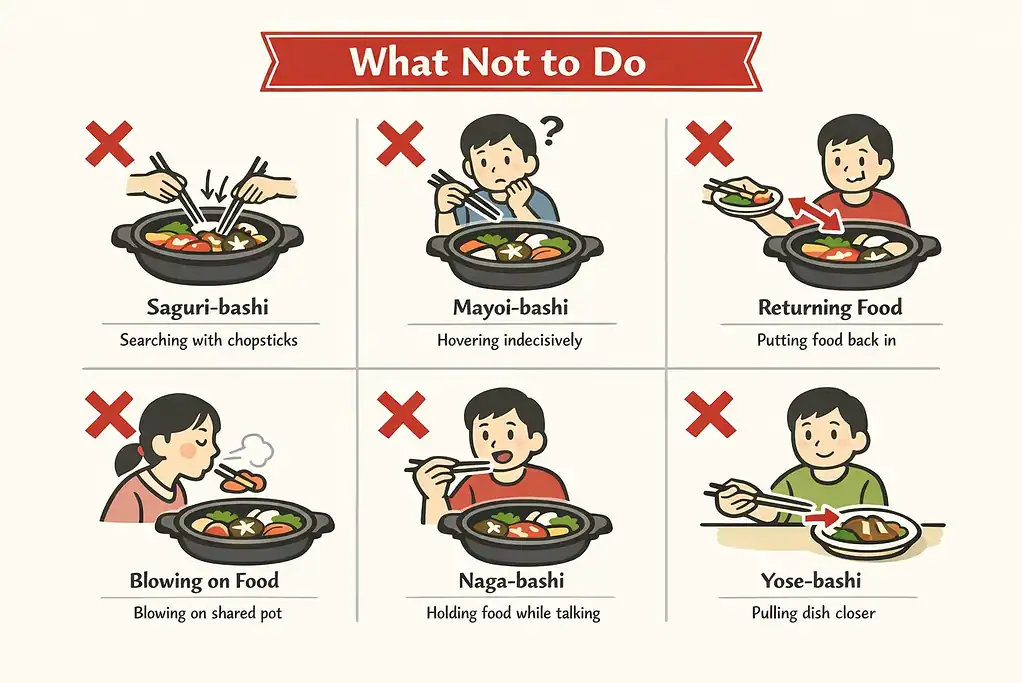
Saguri-bashi (探り箸, Searching Chopsticks) Poking around the Japanese nabe pot with your chopsticks searching for your favorite ingredients is called “saguri-bashi” and is considered bad manners. It looks unpleasant and makes others uncomfortable. Take what you can see or serve from the top layer in order.
Mayoi-bashi (迷い箸, Hesitating Chopsticks) Hovering your chopsticks over the Japanese nabe pot while deciding what to take is called “mayoi-bashi.” This makes others wait and is considered poor etiquette. Decide what you want before reaching in with your chopsticks.
Returning Food Never put food back into the Japanese nabe pot once you’ve transferred it to your plate. This is unhygienic and makes others uncomfortable. Think carefully about whether you really want something and can finish it before taking it.
Blowing on Food While it’s natural to cool hot food by blowing on it, be discreet when eating from a communal Japanese nabe pot. Gently cooling food on your own plate is fine, but avoid blowing toward the shared pot as it’s unhygienic.
Naga-bashi (長箸, Long Chopsticks) Avoid holding food with your chopsticks while talking for extended periods or leaving your chopsticks suspended in mid-air. Transfer food to your plate quickly.
Yose-bashi (寄せ箸, Pulling Chopsticks) Using chopsticks to pull a dish closer is a basic etiquette violation. Use your hands to move dishes properly.
Enjoying the Shime (Finale)
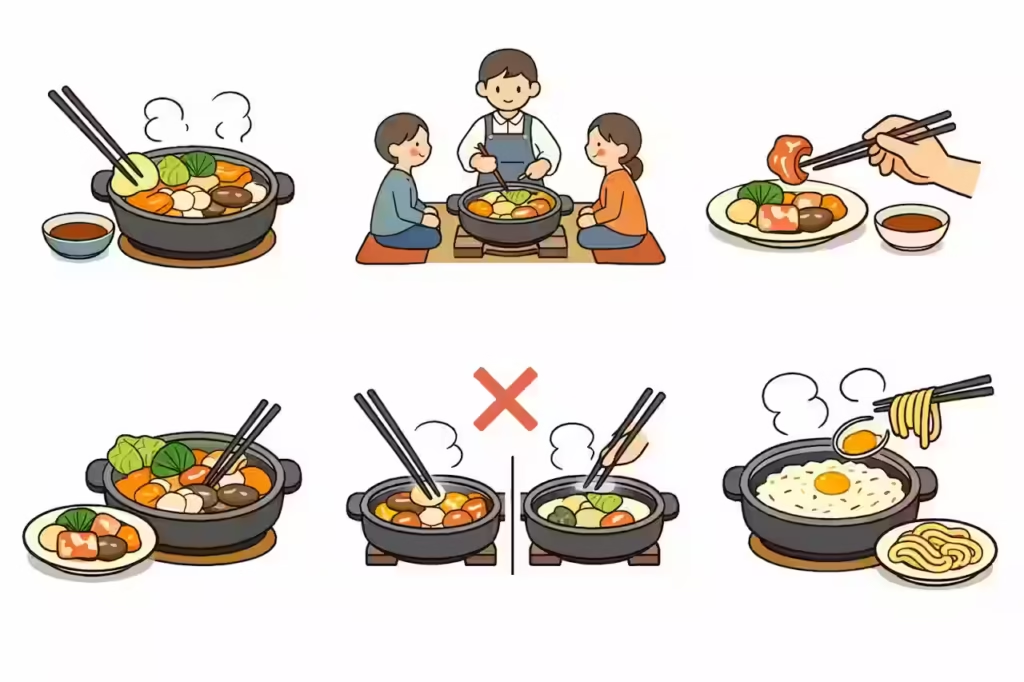
What Is Shime (〆)? At the end of a Japanese nabe pot meal, there’s a tradition called “shime” (〆) where you make use of the flavorful broth left behind by adding rice for porridge, or noodles like udon or ramen, or even mochi. This is one of the highlights of Japanese nabe pot culture, embodying the spirit of savoring every last drop.
Timing of Shime Only move to the shime after confirming that everyone has finished enjoying the main ingredients. Starting the shime while others are still eating ingredients is bad manners. It’s polite to ask the group, “Shall we move on to the shime?” to confirm everyone is ready.
Types of Shime and How to Make Them For rice porridge (zosui, 雑炊), add rice to the remaining broth, then pour in beaten egg and simmer lightly. If there’s excess fat or scum floating on top, skim it off with a ladle for better flavor. For udon or ramen, simply add the noodles and cook until done. Different types of Japanese nabe pot pair best with different shime options: udon goes perfectly with sukiyaki, rice porridge with mizutaki, and ramen with kimchi nabe.
Share the Shime Equally Just like with the main ingredients, ensure everyone gets an equal share of the shime. Don’t take an oversized portion or finish yours before others.
Final Thoughts
These rules shouldn’t feel overly rigid or restrictive. The true essence of Japanese nabe pot is enjoying warm food together while engaging in conversation and deepening bonds with others. These manners and rules exist simply as expressions of consideration to ensure everyone has an enjoyable meal. The most important thing is to be thoughtful toward others and adapt flexibly while observing the situation. If you have guests from abroad or people experiencing Japanese nabe pot for the first time, kindly teaching them these customs will make the meal even more enjoyable for everyone. Through Japanese nabe pot culture, we hope you’ll savor delicious food and create warm memories together.
Japanese Nabe Pot
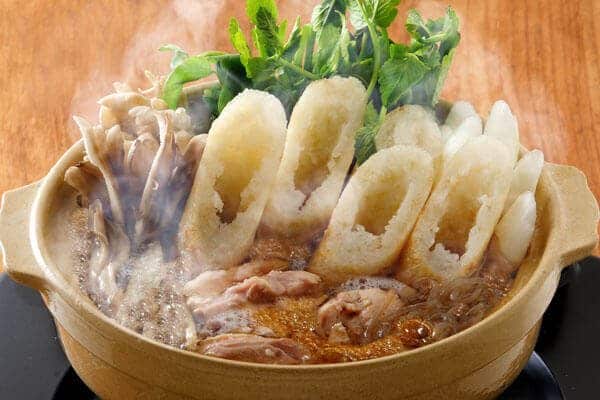
Kiritanpo (きりたんぽ) – Food in JapanKiritanpo (きりたんぽ) is a traditional food in Japan that consists of half-smashed rice shaped into a cylindrical one and toasted on the cedar skewers.
Japanese Nabe Pot
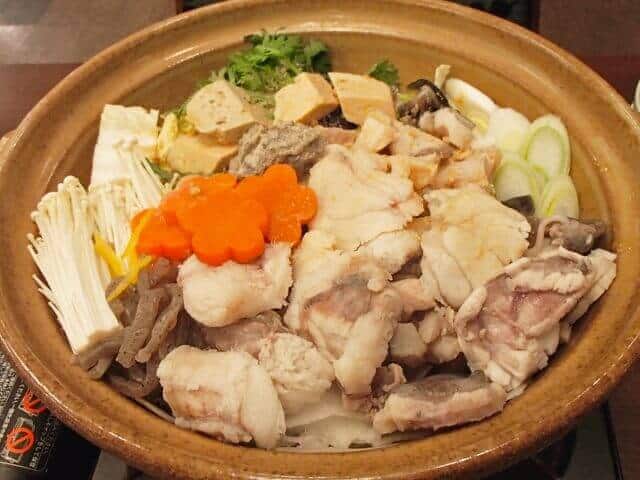
Ankou Nabe (あんこう鍋) – Food in JapanAnkou Nabe (あんこう鍋) is a traditional Japanese hot pot dish from Iwaki City, Fukushima Prefecture that uses Ankou or anglerfish as its ingredient.












Comments