






Nagasaki, a port city, always connected Japan and the West. This unique history created a local cuisine that deeply blended cultures. This article explores Nagasaki tempura, a style of the popular fried dish. This version helps us understand how tempura first arrived and took root in Japan centuries ago.
What Makes Nagasaki Tempura Different?
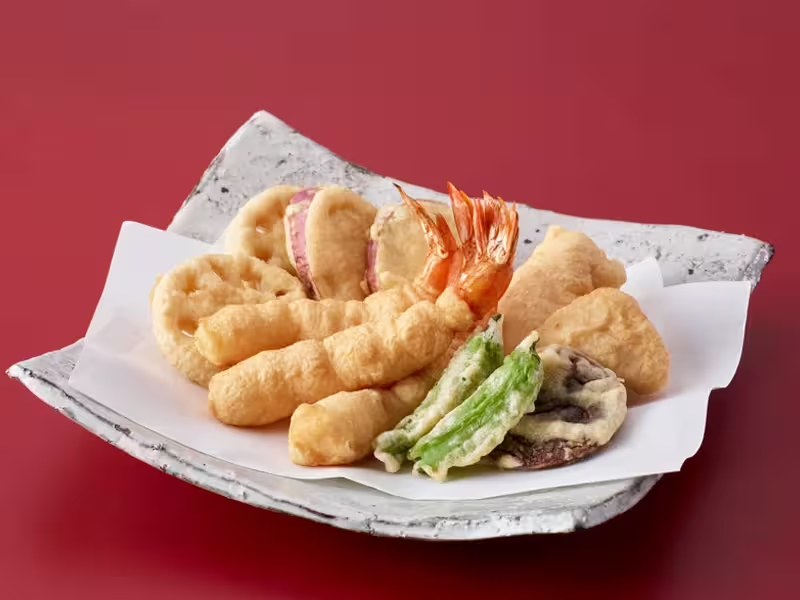
Everyone around the world knows tempura. It is a light, delicate Japanese dish. Cooks deep-fry seafood and vegetables in it. Regular tempura batter uses soft flour, cold water, and egg. This makes the texture light and crispy. But Nagasaki tempura uses the older, first cooking method brought to Japan.
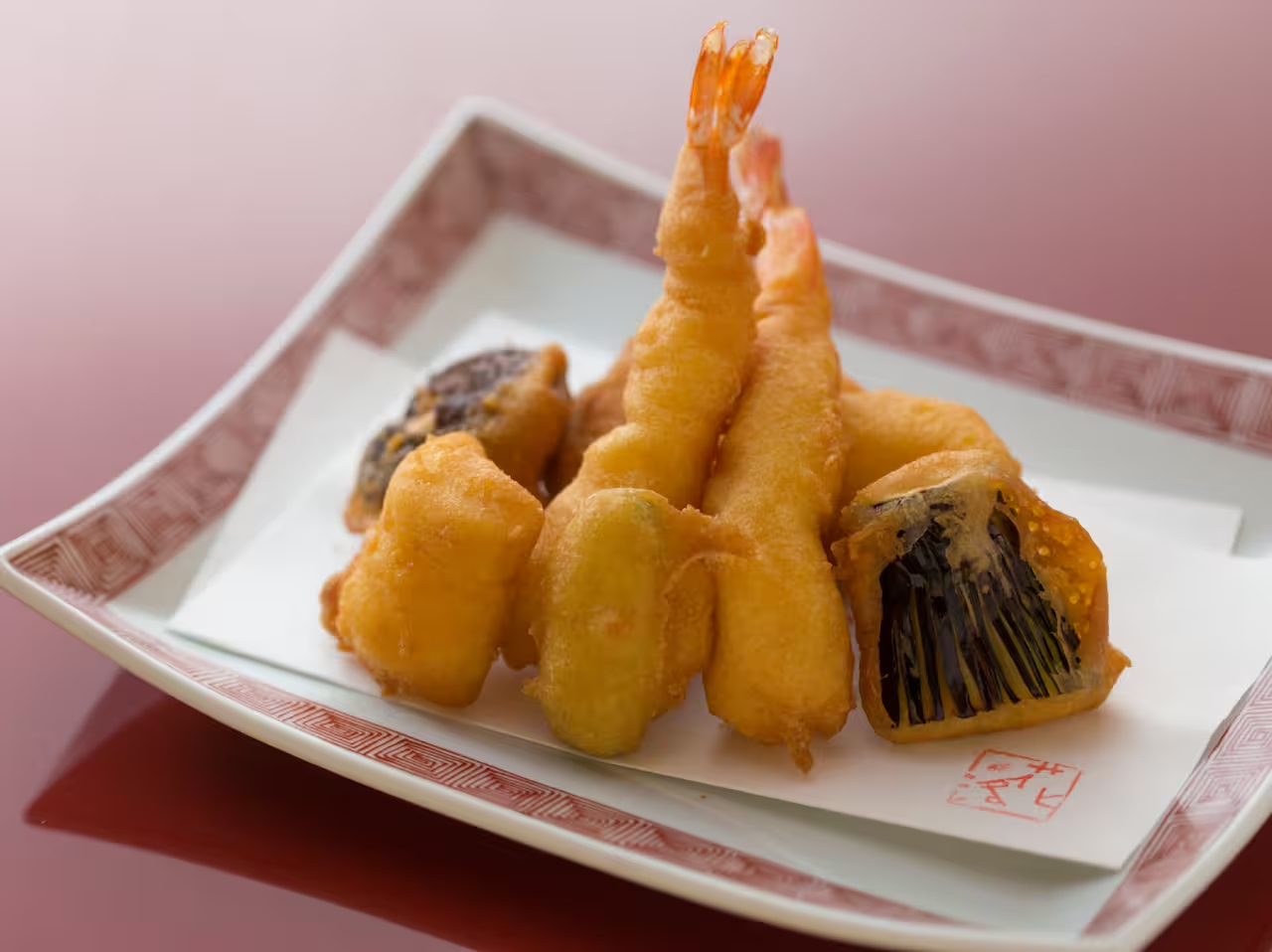
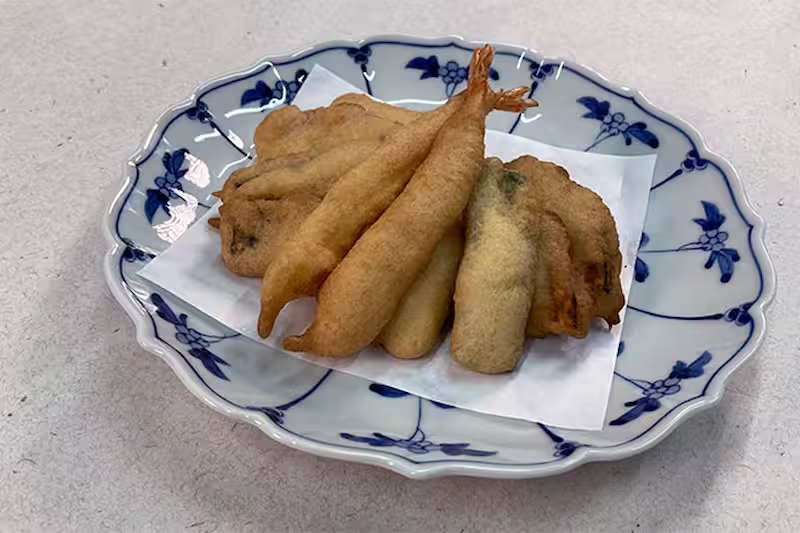
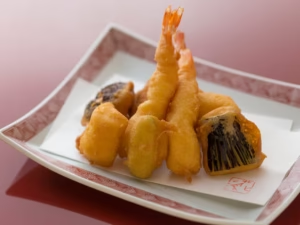
The biggest difference is the batter. Today’s tempura tries to be very light and pale. The Nagasaki style, however, uses a richer batter. This is because it includes egg yolk. This thicker coating gives the dish a deeper color. It has a different texture and more taste than the regular tempura you find in Tokyo. The food often includes soft, fresh pieces of white fish, like sweet sea bream. This is a favorite local food. Also, most modern tempura needs a dipping sauce. Nagasaki tempura is already seasoned, so people eat it plain. This custom links straight back to the first European frying methods. In those methods, the coating gave the food its main flavor.
Pre-Seasoned Coating, Sauce Not Required
The taste is surprisingly complete without any dipping sauce. The batter carries its own seasoning, with salt and sometimes a hint of sweetness already mixed in. I remember reaching for sauce out of habit before realizing it wasn’t needed at all.

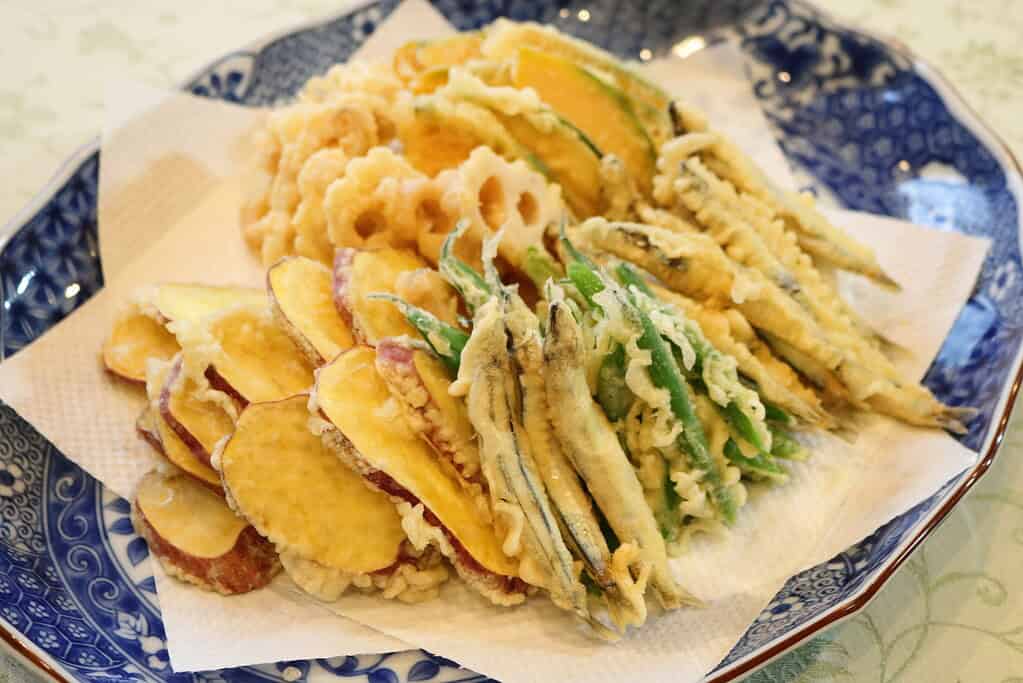
出典:農林水産省ウェブサイト
Thicker Shell, Satisfying Crunch
The texture feels more substantial than regular tempura. The coating is thicker and creates a heartier crunch that’s less delicate. You might wonder if it becomes heavy, and it does have more presence than the feather-light Tokyo style, though not unpleasantly so.
Egg-Rich Fragrance, Home-Cooked Feel
The aroma is richer and more pronounced. The extra egg yolk in the batter creates an almost custard-like scent when frying. It smells heartier, more like comfort food than the refined elegance you’d find in high-end tempura restaurants.
History of Nagasaki Tempura
Nagasaki was a key trading city, and this directly started the story of tempura. Portuguese missionaries and traders brought this cooking style—coating and frying food—to Japan in the 1500s.
This new frying method became very important for the local Christians, called Kirishitans. Experts think the name “Tempura” comes from the Latin word Temporas. This word means special holy days when Christians could not eat meat. Instead, they made this fried dish with fish or vegetables during those fasts.
Nagasaki tempura first showed up in the late 1500s. It became a main food in Namban cooking. It easily joined Nagasaki’s larger blended food style, which they call Shippoku Ryori. Tempura later moved to Tokyo and changed into the lighter style we eat now. But Nagasaki still has this first, older, richer version. It is a lasting food connection to the dish’s start in Europe.
A Restaurant Serving the Dish
Nagasaki Shippoku Hamakatsu (長崎卓袱浜勝 長崎総本店)
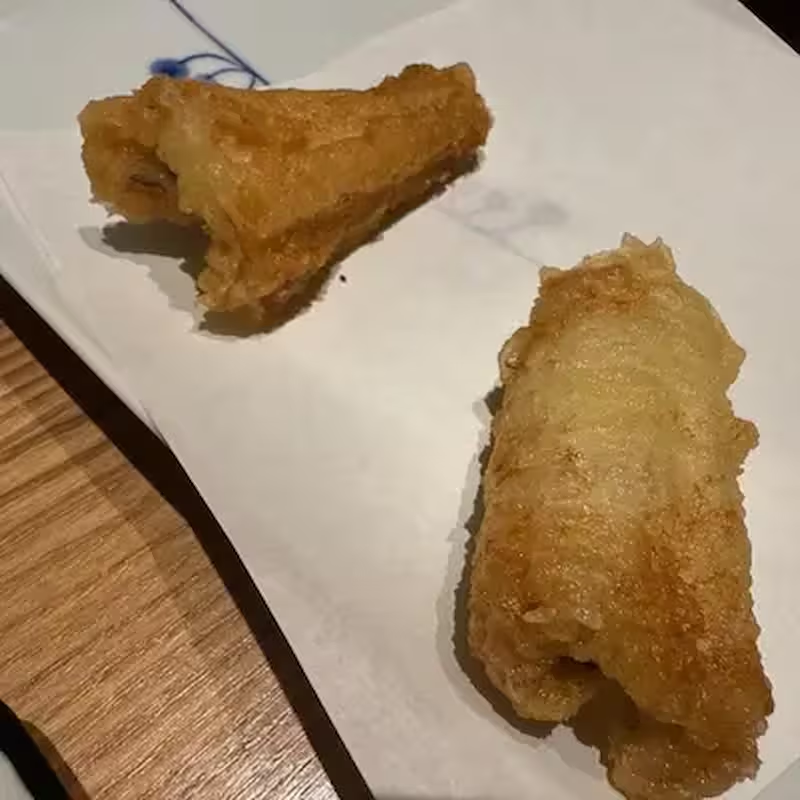
You should definitely visit Nagasaki Shippoku Hamakatsu to try this historic food. This restaurant focuses on Shippoku Ryori, which is a special banquet meal which has blended Japanese, Chinese, and Dutch food ideas for over 300 years. The staff usually serve Nagasaki tempura as one course in this impressive big meal. Plus, the restaurant uses great local ingredients, like kue or grouper.
Conclusion
Nagasaki tempura is not just local food; it is a piece of history. It shows how Japanese culture and European traditions mixed in the 1500s. It uses egg yolk in the batter and comes without dipping sauce. This proves it is the oldest type of this famous worldwide dish. When you eat this old style of tempura, you connect deeply to the history of cooking.
If you appreciate the crisp texture and savory tastes of Japanese fried food (agemono), you might also enjoy other Japanese fried dishes, such as Ebi Furai, Tonkatsu, Karaage, and Korokke.
Comments