





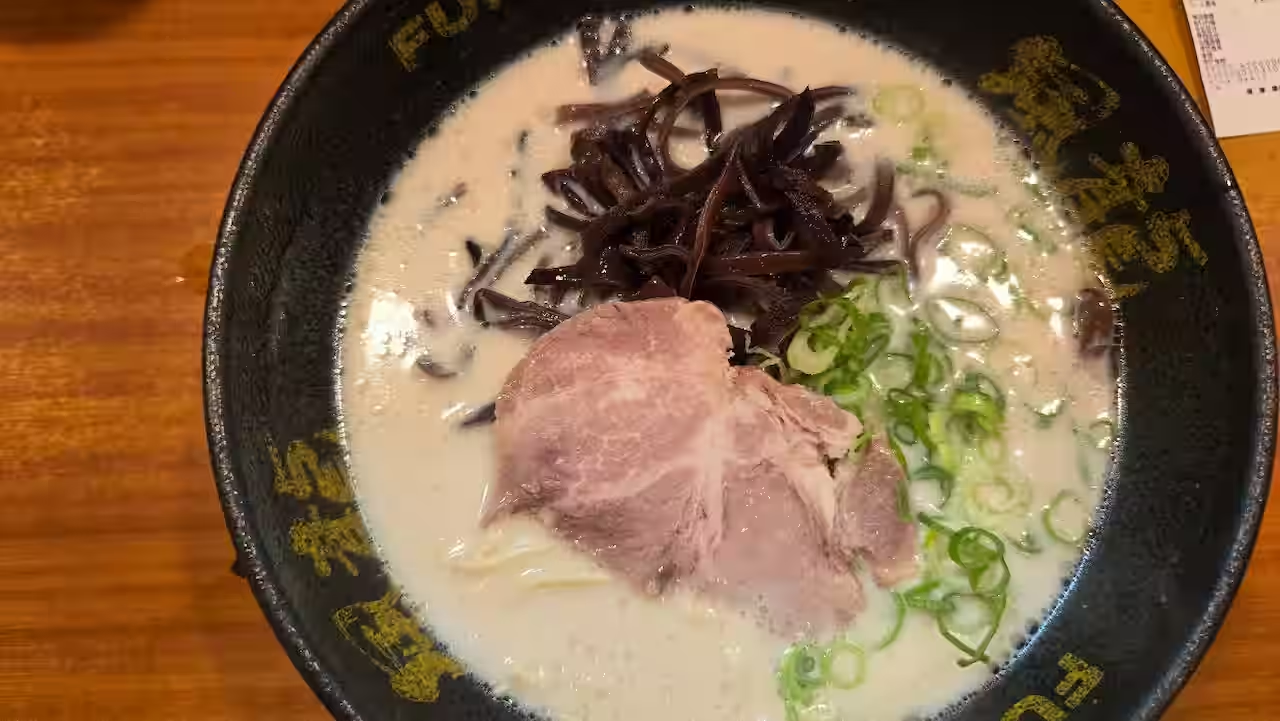
Ramen, popular with children and adults alike, comes in various flavors, with tonkotsu being one of the most popular flavors. However, some people have eaten tonkotsu ramen but do not know what is different compared to other seasonings. So this time, we will introduce the charm of tonkotsu ramen.
What is Tonkotsu Ramen?
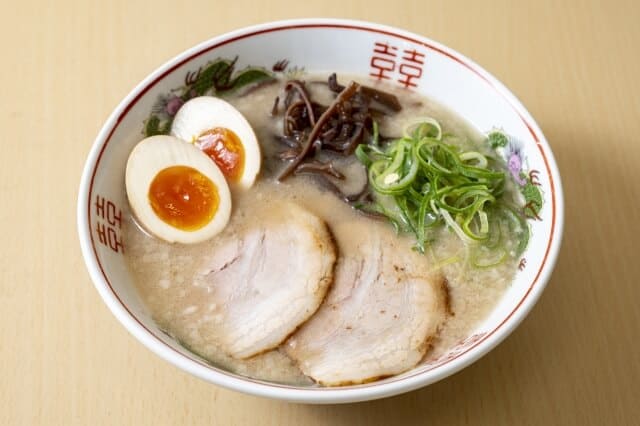
Tonkotsu ramen is a specialty dish in both Fukuoka and Kyushu, and it is a type of ramen that originated in Fukuoka, Fukuoka Prefecture on the Japanese island of Kyushu. They traditionally topped the meal with sliced pork belly and served with ramen noodles that are firm in the middle. The base of the soup broth is from pig bones and locals typically simmered other ingredients for many hours. One of the materials required to make soup, along with chicken bones, is pork bones (chicken bones). To make the soup, many ramen restaurants add vegetables, chicken bones, pork bones, etc.
The broth for tonkotsu ramen is based upon pork bones, and tonkotsu (豚骨/とんこつ) in Japanese means “pork bones”. In addition, red ginger softens the unique flavour of tonkotsu, so locals recommended not to add it at the beginning, but to add it little by little while checking the taste of the soup. In Fukuoka, Japan, they referred to tonkotsu ramen as Hakata ramen.
Tonkotsu ramen History
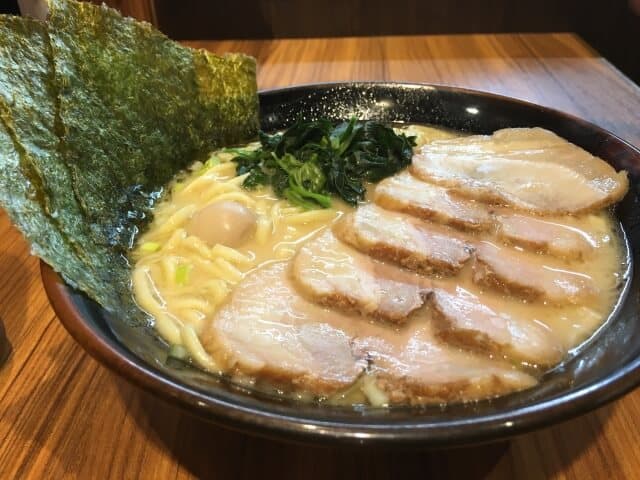
Although the term “tonkotsu ramen” is shockingly new, everyone now associates it with the cloudy ramen from Kyushu. The 20th century marked the beginning of pork bone ramen’s history. Tonkotsu ramen was created in Kurume, specifically at a restaurant called “Nankin Senryo.” Built-in 1937. The owner decided to go to Tokyo to train after hearing rumours that ramen was well-liked there. Tonkotsu ramen originated from soy sauce ramen. Following that, a number of stores in Kurume city opened, and ramen based on soy sauce ramen was consumed.
Tonkotsu ramen was popular as “Kyushu Ramen” or “Hakata Ramen” in the Tokyo metropolitan area at the time that “Kyushu Jangara Ramen” and “Nanden Kanden” first entered Tokyo in the 1970s. After that, Kyushu ramen spread all through Tokyo, and the instant ramen market produced a dish dubbed “Kyushu ramen,” giving rise to the term “tonkotsu ramen.”
Types of Tonkotsu Ramen
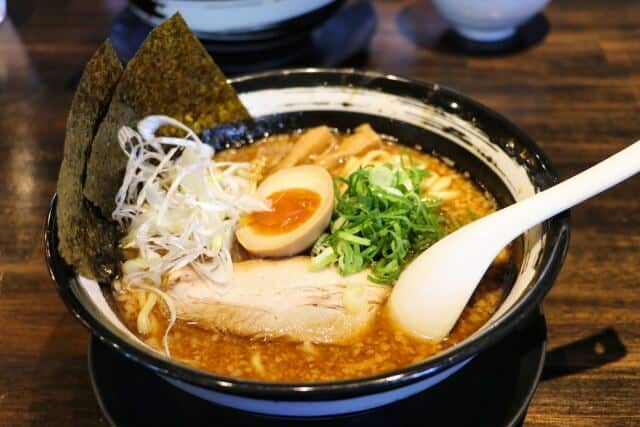
Kyushu’s famous local ramen
Hakata ramen
One of “Japan’s Three Great Local Ramen,” Hakata Ramen is more than just regular Japanese ramen. Tonkotsu or pork bone ramen is primarily sold as Hakata Ramen in Fukuoka City, Fukuoka Prefecture. It is a traditional Japanese dish that combines cloudy tonkotsu soup with extremely fine straight noodles.
Kurume ramen
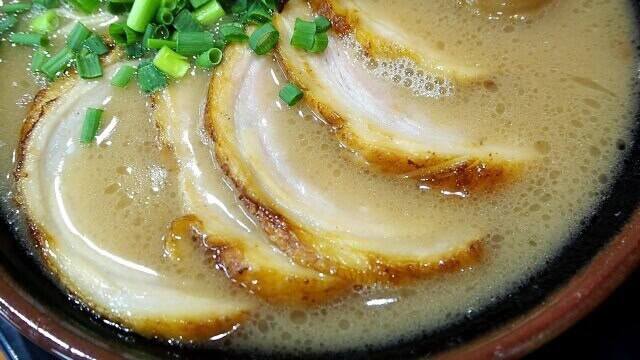
Kurume Ramen is a tonkotsu ramen that has a thick soup and a strong odor. It also uses thicker noodles in comparison with Hakata Ramen and are also straight and firm. Its tonkotsu odor is also stronger than other kinds of tonkotsu ramen.
Kinki’s famous local ramen
Wakayama ramen
The Wakayama Ramen has been characterized by its noodles. Generally, its noodles are thin, non-curly (straight) noodles. Made from pork bones and chicken bones from the neighboring prefectures and seasoned with soy sauce.
Hokkaido’s famous local ramen
Sapporo ramen
Sapporo Ramen is one of the signature dishes of the Hokkaido region of Japan using a base soup that makes use of the miso flavor that intertwines with thick crinkled noodles.
Hakodate ramen
Hakodate ramen is one of the three (3) major ramen in Hokkaido. The characteristics of this ramen are thin straight noodles and clear soup. Also, it has flavored vegetables, kelp, bonito, and chicken.
Are Ippudo and Ichiran different from authentic Hakata ramen?
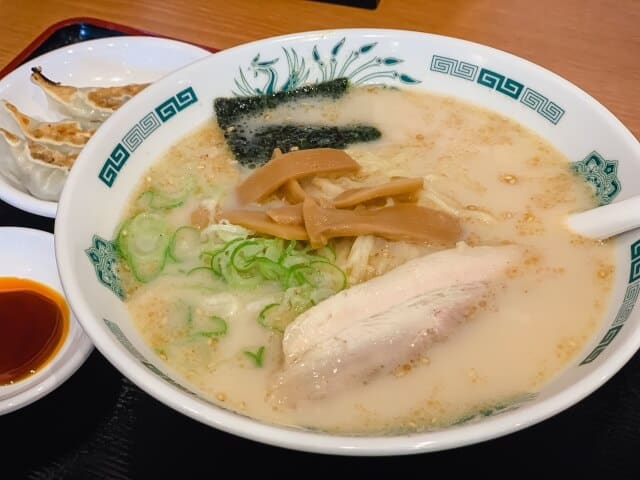
It is a restaurant born in Hakata, but they do not possess a standard taste. When you ask some local ramen lovers, they usually agree. And it is often underestimated among local Hakata ramen lovers. Not all locals like tonkotsu ramen. In particular, that unique “tonkotsu smell” is said to dislike even by locals who are not good at it.
“Ippudo” is a store that intentionally eliminates the old smell and pork smell according to the founder. However, for old-style Hakata ramen lovers, that tonkotsu smell is one of the important factors, so it’s not enough. “Ichiran” also has almost no tonkotsu flavor, and such a method was received mainly by people who were not good at traditional Hakata ramen.
Tonkotsu ramen Recipe
Tonkotsu ramen Ingredients
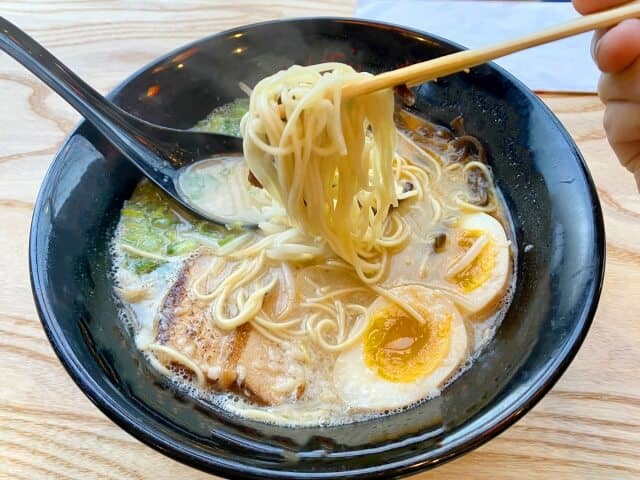
| Ingredients of Tonkotsu ramen for 5 persons | Measurement |
|---|---|
| Pork bones | 1000g |
| Pork thigh | 750g |
| Water | 3000g |
| Maltai dried noodles | 500g |
| Soy sauce | 105g |
| Ajinomoto | 20g |
| Red pickled ginger | 50g |
How to make Tonkotsu ramen
Put the prepared pork bones in a pot and let it simmer patiently while listening to music. The ratio of bones to water is confusing, but the ratio is about 1.5 to 3 litres of water for 1 kg of bones. If there is not enough water, the soup will be super thick, and if there is too much water, the soup will be light. And when the water boils, a scab-like scum floats to the surface, take it and set it aside.
Speaking of tonkotsu ramen noodles, they are ultra-thin straight noodles with low water content. You can’t go wrong with Maltai dried noodles.
Back to the soup. After about 3 hours, the meat and gelatin around the bones will melt, but continue to simmer for a little longer. If you want to make boiled pork for ramen, put the pork chunks tied. Then, the meat will absorb the extract from the soup, and the soup will absorb the umami of the meat. About 5 hours after stewing, the meat will be completely separated from the bones and the soup will be muddy, so the pork bone soup is ready.
The soup is filtered through a colander and placed in a bowl, and they used the sauce to determine the flavour, but it is surprisingly simple and you can make this with only light soy sauce. Instead of plant-based umami, adding Ajinomoto brings out the sweetness of the soup.
If you want to keep it simple, you don’t have to add any ingredients at all, but if you add only one ingredient, it should be red pickled ginger.
Where to buy Tonkotsu ramen
Ko-chan Ramen (江ちゃんラーメン)
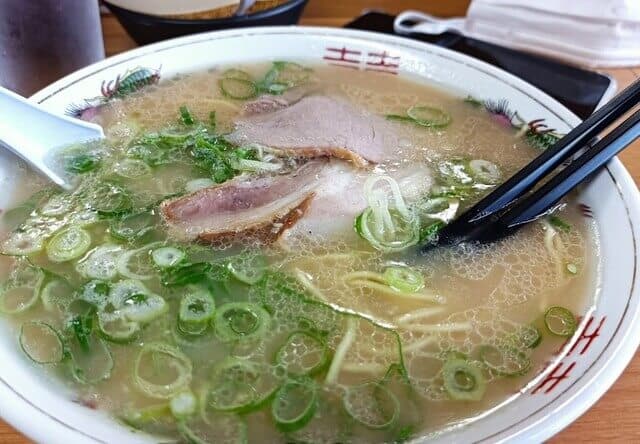
They serve Pork bone ramen with medium-thin straight noodles. The soup that soaks in the flavour the more you slurp it is impressive! Noodles with a distinctive flavor, created by the skilful technique of raising the noodles with a flat net. Many customers said that the ramen here is so good that it makes you shudder from the first bite
Hinokunibunryu (火の国文龍 総本店)
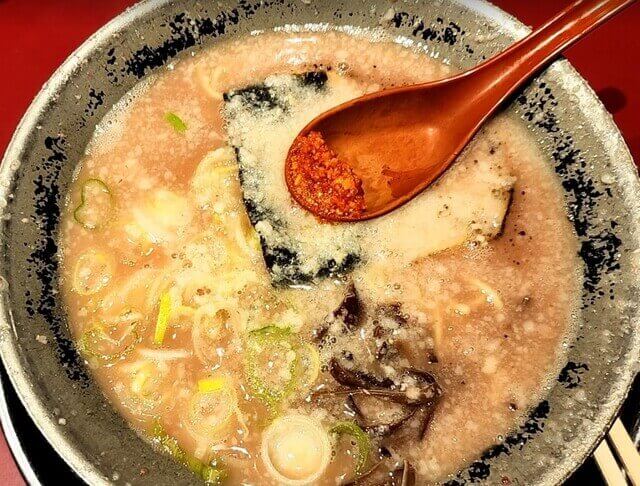
This is a must-see restaurant for the rich, proclaiming “Kumamoto’s strongest thick pork bones.” The main dish is a bowl full of pork back fat that the shop cooks separately, and you can choose rich medium, or light. The homemade medium-thick noodles stand out against the rich soup. You can experience the impact that goes beyond the framework of local ramen.
Ramen Shokudo (らーめん食堂 元斗好軒)
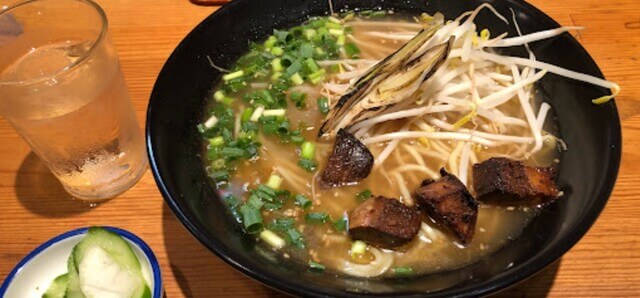
Run by the owner who trained at a long-established store in Kagoshima. The moderately transparent soup is light with a 1:1 ratio of pork and chicken. The chewy medium-thick noodles, crunchy bean sprouts, and kakuni-style char siu have a good balance. In addition to soy sauce, char siu cooked with brown sugar and shochu is also the best.
Final Thoughts
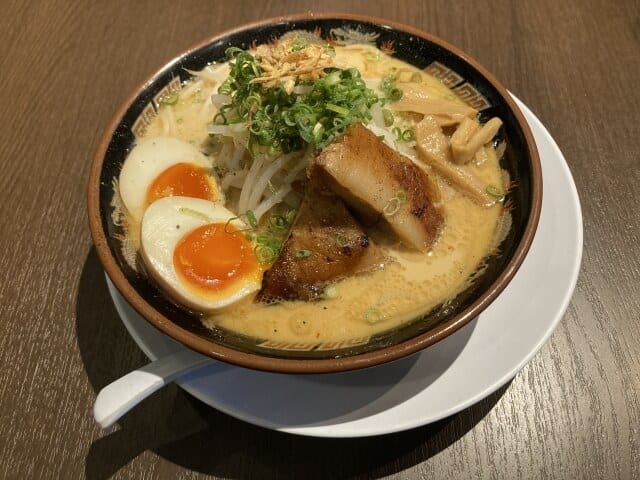
Every day, ramen changes, and it is no longer just considered a type of Japanese cuisine. It’s fascinating to consider that fresh variations of ramen will keep appearing as long as there are consumers who value and enjoy the meal. Tonkotsu ramen, unquestionably the most well-liked type, comes from the Kyushu region. It features a rich broth created from boiling pork bones that release collagen. Tonkotsu ramen is extremely common due to its enormous popularity.
In terms of missing out on so much ramen in Japan, we are glad to collect all of it and you can check it out Japanese Ramen here.
Tonkotsu Ramen FAQ
What is Tonkotsu ramen?
Chefs make this famous Japanese noodle dish by boiling pork bones for hours to create a rich, cloudy broth.
What is the traditional method of preparing Tonkotsu ramen?
Chefs traditionally boil the noodles so they remain hard in the center. Many shops let you choose your preferred noodle firmness.
How did the term Tonkotsu ramen begin?
Locals originally called the dish “Hakata ramen” or “Kyushu ramen.” The term “Tonkotsu ramen” became popular nationwide later.
Where did it originate?
A restaurant owner in Kurume City, Fukuoka Prefecture invented the dish in 1937.
What does “Tonkotsu” mean?
“Ton” means pork, and “Kotsu” means bone. The name describes the main ingredient of the broth.
Why is the soup cloudy and white?
Boiling the pork bones at high heat extracts fat and collagen. These elements emulsify into a milky, rich liquid.
What kind of noodles do they use?
Chefs use extremely thin, straight wheat noodles. These noodles cook very quickly and absorb the thick broth perfectly.
What is “Kaedama”?
It is a noodle refill system. You order an extra serving of noodles to put into your remaining soup.
Why do diners add red pickled ginger (Beni Shoga)?
The sharp acidity of the ginger cuts through the rich pork fat and refreshes the palate.
Are Ippudo and Ichiran traditional Hakata ramen?
No. These famous global chains modified the traditional recipe to remove the strong pork smell for a wider audience.
What is the “Tonkotsu smell”?
Boiling pork bones creates a distinct, pungent odor. Local fans love this smell, though some beginners find it strong.
What are the standard toppings?
Cooks typically top the bowl with sliced pork belly (Chashu), green onions, and wood ear mushrooms (Kikurage).
Is the broth spicy?
No. The broth tastes savory and creamy. You can add spicy mustard greens (Karashi Takana) or chili oil at the table.
How does Kurume ramen differ from Hakata ramen?
Kurume chefs brew a thicker, heavier soup with a much stronger pork aroma than Hakata chefs do.
Is it halal or vegetarian?
No. The recipe relies entirely on pork bones and pork fat, making it unsuitable for vegetarians and Muslims.

Comments