




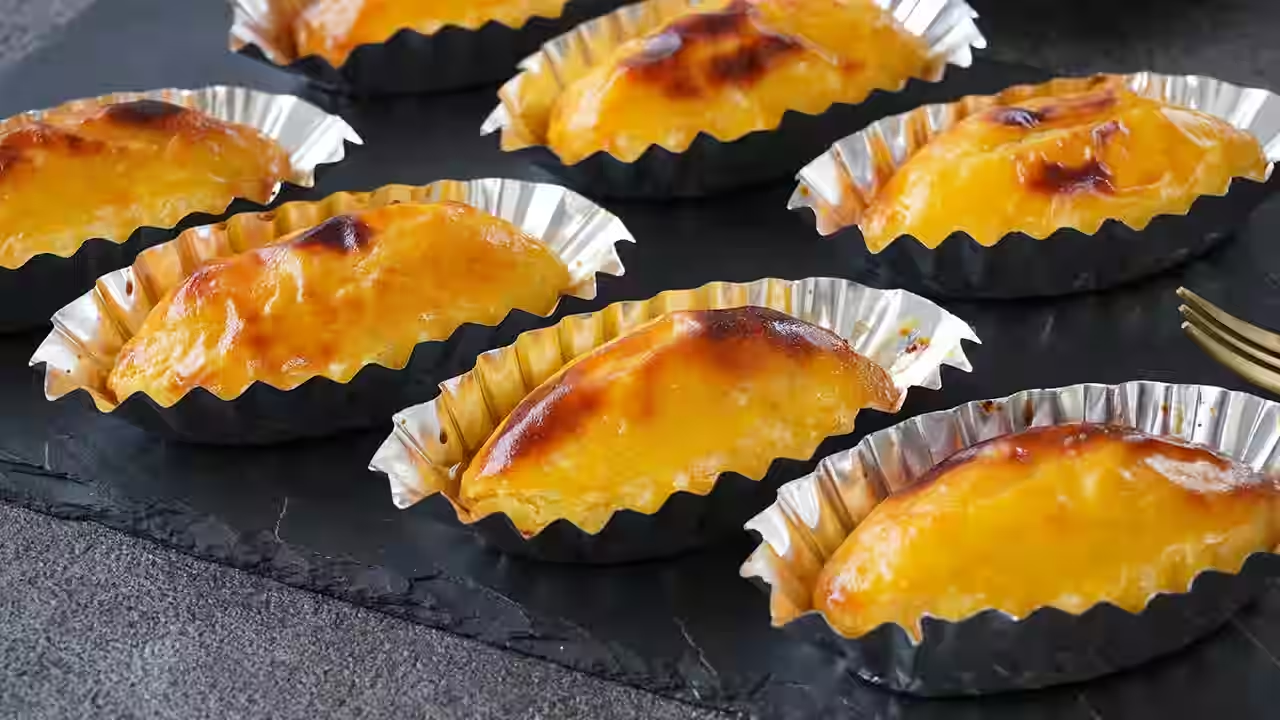
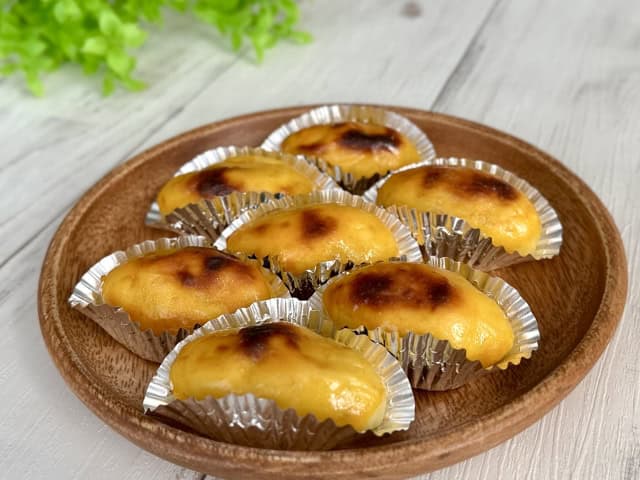
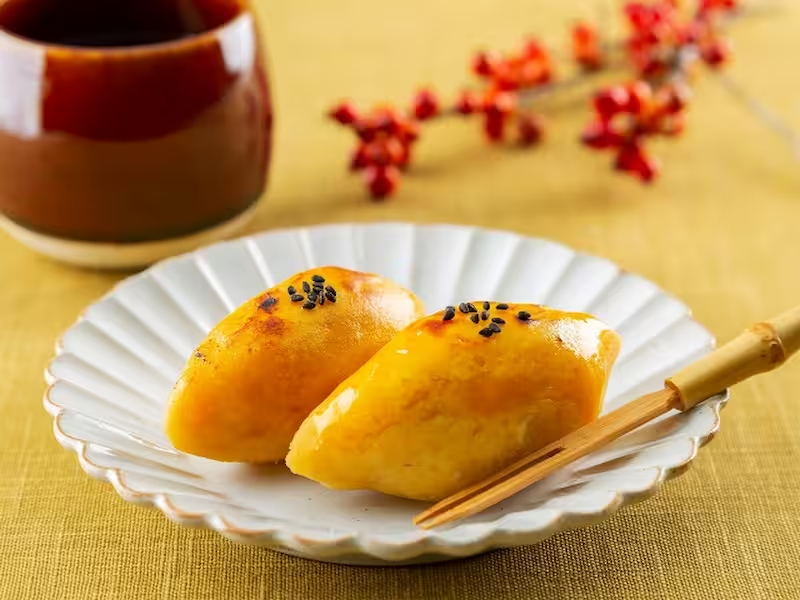
The Japanese Sweet Potato Cake, known as Suīto Poteto (スイートポテト), is a popular modern Japanese sweet. It is a dense, baked dessert made by mixing finely mashed Japanese sweet potato (satsuma-imo) with rich ingredients like butter, sugar, and egg. Often shaped like a potato or into specific designs, then baked until the outside is golden-brown.
This dessert successfully blends baking methods from Europe with a focus on high-quality, local Japanese seasonal produce. The use of butter and egg yolk comes from Western baking, but the overall flavor balanced it to bring out the natural, earthy taste of the sweet potato. This successful adaptation, which started during Japan’s modernization, makes Suīto Poteto a refined food that appeals to those who like both traditional ingredients and modern baking.
What Makes This Cake Special?
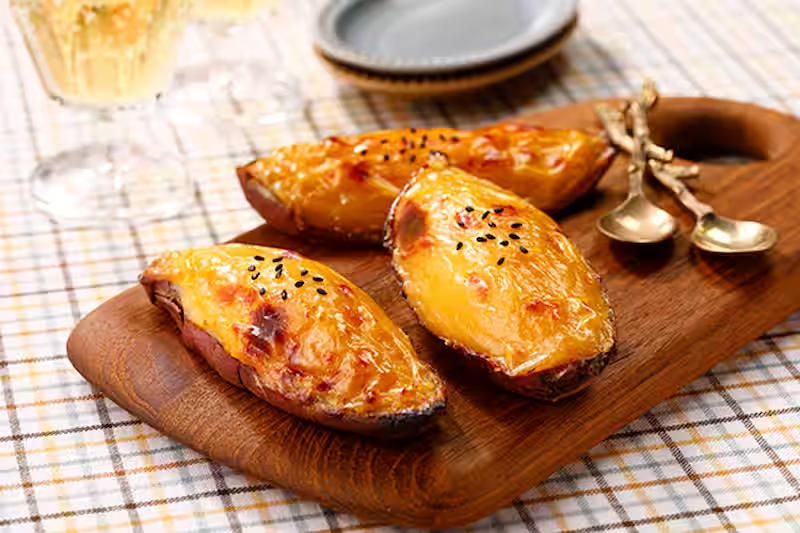
The quality of the final cake depends greatly on the type of sweet potato used. The best confectioners choose premium varieties that are naturally very sweet and dry when cooked. This dryness is important because it prevents the mashed potato from becoming watery, meaning they don’t have to add too much flour or other binders that would weaken the natural flavor.
The preparation method is also key. Professional makers often steam or slowly roast the potato instead of boiling it. Steaming or roasting concentrates the natural flavor and sugars. This careful cooking allows the final cake to have a “gentle” sweetness that is “not too overpowering,” which is what customers prefer.
The recipe is simple but precise, designed to improve the potato’s natural taste without hiding it. The cake’s smooth texture comes from mashing the potato until it is completely fine, then mixing in butter and egg yolk. This blending creates a smooth, creamy paste that “melts in your mouth.”
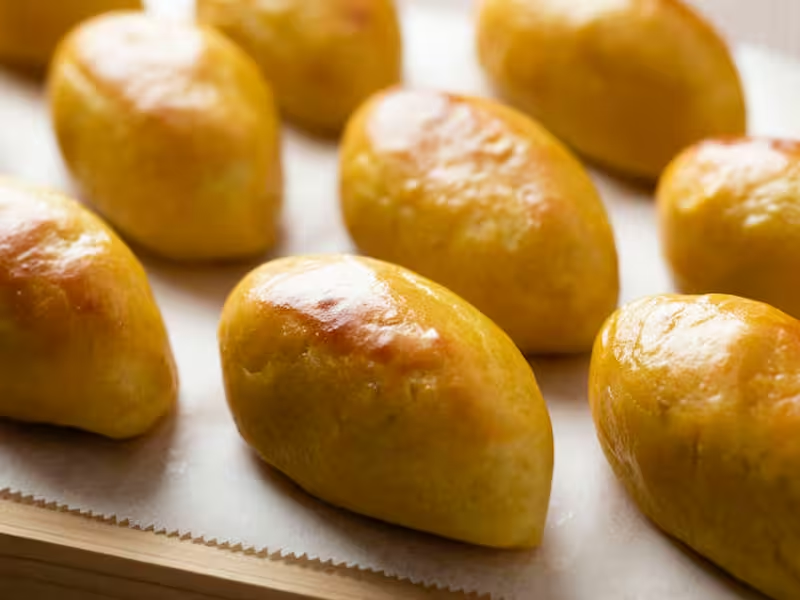
Before baking, they brushed the surface with egg yolk. This glaze caramelizes in the oven, giving the cake its signature golden-brown color and a subtle crust. This outer layer gives a nice, slight crunch that contrasts with the soft, dense inside.
A Taste of Honest Earth
The first flavor that greets you is remarkably pure and earthy. It’s a clear, natural sweet potato taste, with a chestnut-like sweetness that feels authentic, not manufactured. Butter and egg yolk add a gentle richness, but they never overshadow the main star. I recall my first bite being a pleasant surprise—the sweetness was surprisingly restrained, especially compared to many Western confections. It’s sweet, but in a quiet, respectful way.
Texture: A Dense Yet Delicate Dance
Its texture is truly fascinating. Cutting in offers a slight resistance before your fork glides through. The interior is incredibly creamy, akin to a firm, luxurious custard. It feels substantial in the mouth, yet it dissolves almost magically on the tongue. This creamy density is perfectly offset by a thin, slightly crispy outer layer. Each bite feels both weighty and delicate, a contradiction that works beautifully. You’re left wondering how something so dense can feel so light.
The Scent of a Roasted Autumn
The aroma alone is deeply comforting. Opening the box releases a warm, inviting scent of roasted sweet potato, with hints of caramelization. A subtle buttery note follows, and perhaps just a whisper of vanilla—though I might be imagining that part. It’s not an overpowering smell, but rather a gentle, nostalgic one that instantly evokes memories of crisp fall days. This humble fragrance perfectly sets the stage for the simple pleasure to come.
Recipe and Preparation
| Ingredients for Sweet Potato Cake | Measurement (Grams) |
| Peeled Sweet Potato | 200 g |
| Butter | 30 g |
| Sugar | 40 g |
| Egg Yolk | 1 yolk |
| Black Sesame Seeds | A dash |
How to Make Sweet Potato Cake
First, peel the sweet potatoes and boil or steam them until they are completely soft and can be easily pierced with a skewer. Once cooked, immediately drain them thoroughly and mash them completely until no lumps remain.
While the mashed potato is still warm, add the butter, sugar, and most of the egg yolk (reserve a small amount of the yolk for later glazing). Mix everything together until the ingredients are fully combined into a smooth, even paste.
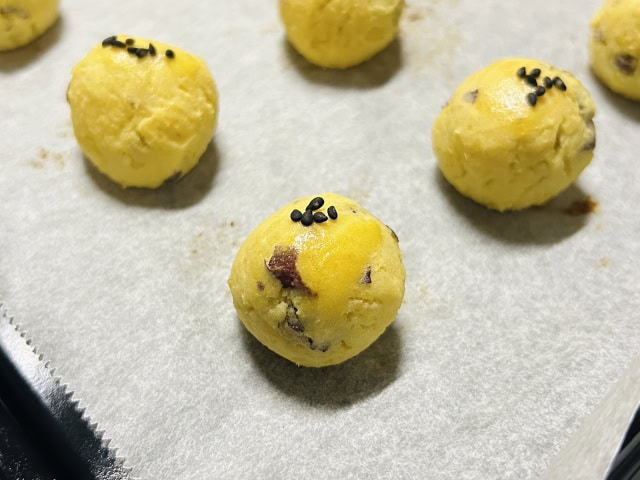
Once the paste is mixed, shape the mixture into small, individual pieces. Bakers often shape them to resemble the natural sweet potato, or mold them into simple rounds or cones. Using the reserved egg yolk, brush a thin layer over the surface of each piece. Finish by adding a dash of black sesame seeds or pine nuts to the top for decoration and a hint of nutty flavor.
Place the shaped pieces onto a baking sheet and bake them in a preheated oven until the surface turns a light brown color.
Conclusion: A Balanced Treat
The Japanese Sweet Potato Cake (Suīto Poteto) is a highly refined dessert successful due to the perfect balance between great ingredient quality, careful technical baking, and smart market placement. The cake functions as a stable and popular treat, relying on the quality of the sweet potato and its link to the autumn and winter seasons. Its popularity and refined flavor ensure that it is often grouped with other high-quality gifts like tarts, custard cakes, and specialty cookies.
Other types of high-quality Japanese confections, especially those popular for gifting (Omiyage), which share the same goal of being sweet but refined. These include other sweet potato treats, as well as classic traditional Japanese sweets (Wagashi) and Western-style adaptations (Yōgashi). Specifically, these similar items are Daigaku Imo, Yōkan, Manju, Castella, and Kuri Kinton.





Comments