






This article introduces Kaki Namasu (柿なます), a traditional Japanese side dish. It is a refreshing sweet-and-sour vinegared salad that beautifully mixes the firm crunch of daikon radish with the soft, natural sweetness of the persimmon fruit (kaki). This simple food holds a key spot in Japan’s seasonal and holiday cooking, often used to cleanse the palate during big meals.
Continue reading to get the background, tradition, and regional importance of this perfect autumn relish.
What is Kaki Namasu?
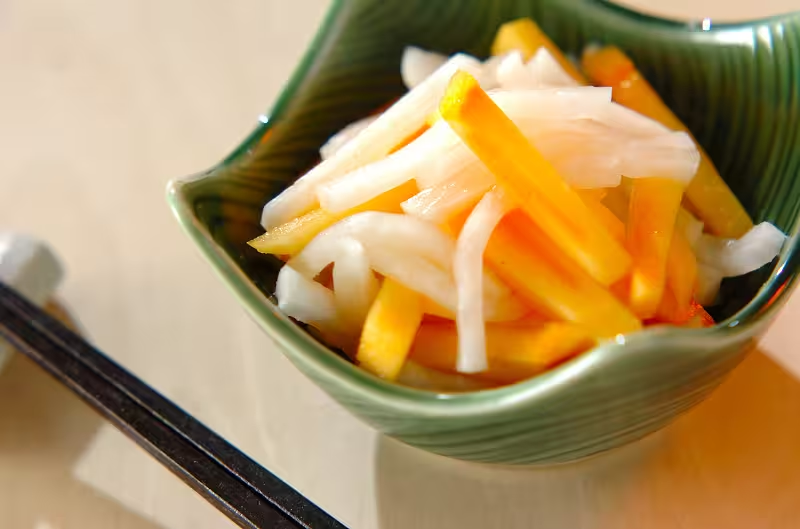
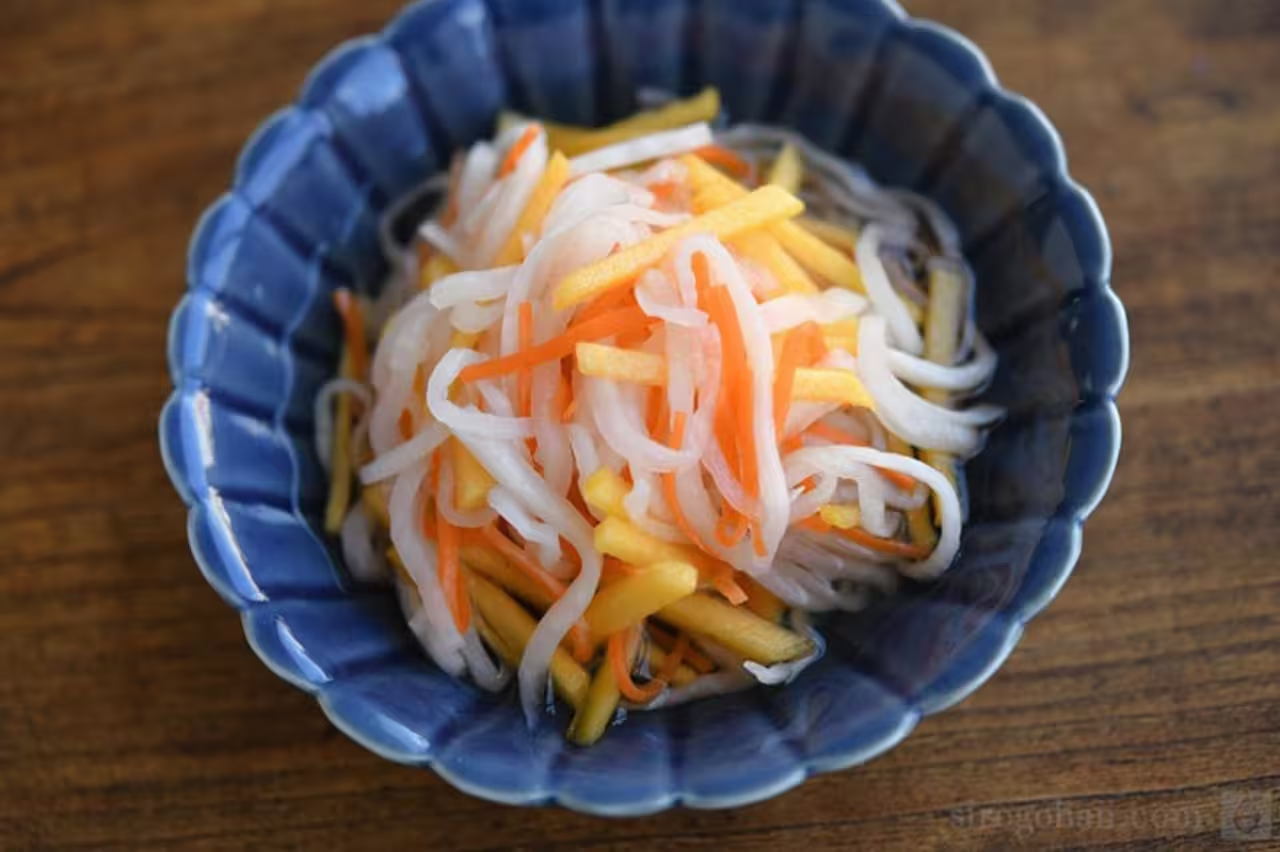
Kaki Namasu is a type of namasu, a group of Japanese vinegared dishes. It is basically a relish made by cutting fresh persimmon and long white daikon radish into thin strips. They mix these parts with a dressing called awasezu, which made of rice vinegar, sugar, salt, and sometimes a dash of soy sauce.
The dish is appealing because of its complex texture—the crispness of the daikon against the soft fruit—and its light flavor. The persimmon’s natural sugar is important because it successfully softens the sharp taste of the vinegar, making the overall flavor mild and mellow. This refreshing quality makes it an excellent hashiyasume, or “chopstick rest,” giving a bright contrast to heavier Japanese dishes.
While many modern, simple recipes use fresh, crisp persimmon, traditional regional versions, such as those in Nara Prefecture, often feature Hoshigaki (dried persimmon). Drying the fruit makes its sweetness and nutrients stronger. Using dried fruit gives the dish a distinct, deep, and chewy texture compared to the juicy snap of fresh fruit.
The Subtle Contrast of Sweet and Tart
Kaki namasu offers a unique flavor profile that sets it apart from simple Western vinegar salads. While a Western coleslaw might be creamy or purely acidic, this dish relies on the mellow sweetness of the persimmon to tame the sharp rice vinegar. It creates a complex layer of taste where the sugar from the fruit and the tang from the vinegar meet in the middle. There is a hidden depth here because the vinegar draws out the earthy notes of the fruit. It feels light but has a savory finish that keeps you coming back for another bite.
Fresh Persimmon Versus the Dried Variety
You will often see this dish made in two distinct ways using either fresh or dried fruit. The version with fresh persimmons is crisp and vibrant, providing a juicy burst that is very low in calories. It is perfect for a light palate cleanser. In contrast, using dried persimmons creates a much richer and concentrated sweetness. This version is higher in calories due to the sugar density but it has a deep and jammy flavor. While the fresh style is refreshing and light, the dried style feels like a hearty and decadent part of a traditional winter feast.
The Interaction of Fruit and Root
The physical sensation of this dish is a beautiful mix of different sensations. You start with the firm and watery snap of the daikon radish strips which provides a solid base. This is immediately followed by the yielding and almost creamy texture of the persimmon slices. As the salad rests, the fruit releases its natural pectin into the vinegar dressing, turning it into a light and silky glaze. This coating ensures that every piece of radish is wrapped in a smooth and slippery layer. It makes the whole experience feel refined and very elegant on the tongue.
History of the Persimmon Salad
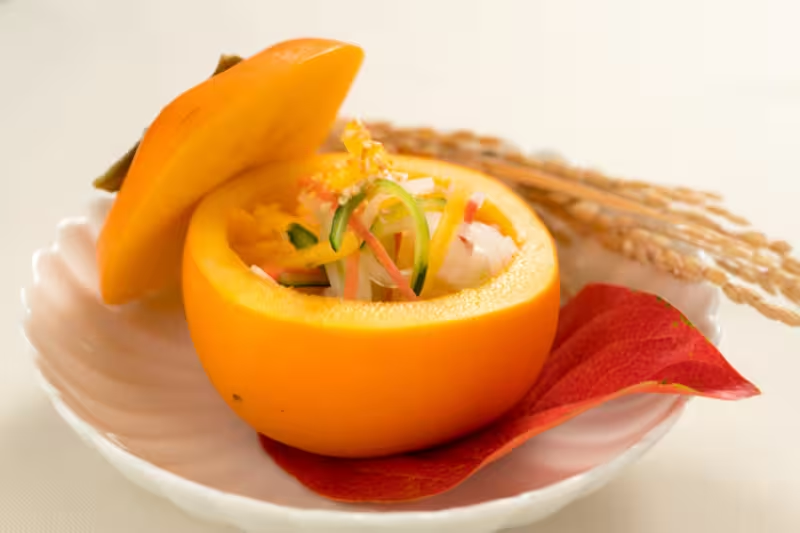
The history of namasu is long, with its roots going back to ancient China and early Japan. Originally, the term referred to dishes of finely cut raw meat or raw fish. Over time, this cooking style changed uniquely in Japan. By the Muromachi period, the preparation moved away from raw proteins, and namasu came to mean ingredients seasoned with vinegar.
Kaki Namasu has its most important cultural job as a main part of Osechi Ryori—the essential group of traditional foods prepared for the New Year holiday. This dish is deeply rooted in local customs, especially in Nara Prefecture, a region known for growing persimmons.
Historically, the persimmon played a practical, economic role. When refined sugar was costly and hard to find, the strong, natural sweetness from fresh or dried persimmons provided a necessary balance to the sour vinegar dressing, making the final flavor tasty enough for celebration.
Where to Try Kaki Namasu in Japan
Gin (吟)
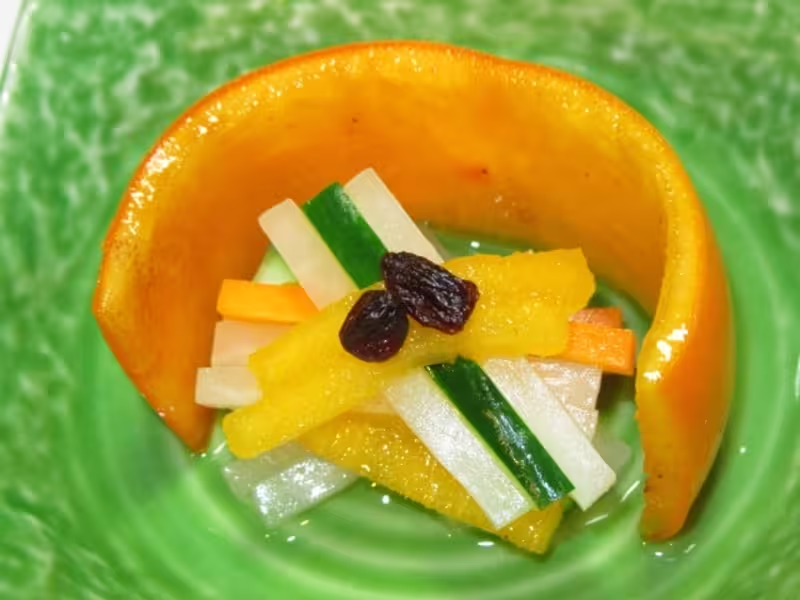
Kaki Namasu is mainly a home-cooked specialty prepared in late autumn and winter for the New Year season. Finding it outside of this time can be difficult. Traditional Japanese cuisine restaurants (Washoku or Kaiseki) in persimmon-rich regions are the most likely commercial places to serve it seasonally.
Restaurant Gin in Nara City is one establishment that may feature such seasonal, traditional food. Guests should always call to confirm seasonal menu availability before visiting, as the dish depends heavily on the fresh persimmon harvest.
Summary: A Healthy and Festive Relish
Kaki Namasu is a strong sign of the simplicity and cleverness in traditional Japanese cooking. Its refreshing sweet-sour balance makes it an ideal complement to richer meals, showcasing local ingredients and reflecting past necessities. Whether made with fresh fruit for crispness or dried fruit for strong sweetness, Kaki Namasu is an essential and festive part of Japan’s winter table.
If you appreciate the clean, vinegared taste and mixed textures of Kaki Namasu, you may also enjoy other traditional Japanese dishes like Kaki that share its festive and preserving qualities.
Kaki Namasu (Persimmon Salad) FAQ
What is Kaki Namasu?
It is a vinegar-based salad made of julienned daikon radish, carrots, and sliced persimmons.
When do people eat it?
Families traditionally eat it during the New Year’s holiday as a celebratory “Osechi” dish.
What does it taste like?
It tastes sweet and sour. The natural sweetness of the fruit balances the sharp acidity of the vinegar.
Do they use dried or fresh persimmons?
Recipes use both. Dried persimmons add a chewy sweetness, while fresh ones provide a crisp texture.
Why do they add persimmon?
The orange persimmon adds beautiful color and replaces refined sugar with natural fruit sweetness.
Is it vegan?
Yes. The ingredients include only vegetables, fruit, vinegar, and sometimes salt.
What do the colors symbolize?
The red (carrot/persimmon) and white (radish) colors symbolize celebration and happiness in Japanese culture.
Is it healthy?
Yes. It is rich in Vitamin A and C, and the vinegar aids digestion after heavy meals.
Where is it famous?
It is a regional specialty in Nara and Wakayama prefectures, which are famous for producing persimmons.
How long does it last?
The vinegar acts as a preservative, so you can keep it in the fridge for several days.
What is the texture like?
It offers a crunchy texture from the vegetables mixed with the soft or chewy mouthfeel of the fruit.
Can I eat it with alcohol?
Yes. The refreshing acidity makes it a perfect palate cleanser to pair with Japanese Sake.
Do I peel the radish?
Yes. Chefs peel and slice the vegetables into thin strips (julienne) to absorb the dressing.
Is it a dessert?
No. Despite the sweetness, Japanese cuisine categorizes it as a vinegar side dish (Sunomono).
Does “Kaki” have a meaning?
Yes. “Kaki” sounds like the word for “gathering happiness,” making it a lucky food.
Comments