If you’re planning a trip to Japan, you’ve probably already researched restaurants in Tokyo and Kyoto. But what about Chugoku region food?
When you hear “Chugoku,” did you think of China? To be honest, I did too at first. It’s confusing because the names are identical, but this refers to Japan’s “Chugoku region”—the western area of Honshu. Comprising the five prefectures of Hiroshima, Okayama, Yamaguchi, Shimane, and Tottori, this area offers a deep culinary experience that’s a bit different from the tourist-packed “Golden Route.”
Truth be told, the food in this area is a little different from the beautifully presented cuisine of Kyoto. It’s more hearty, full of local pride, and surprisingly delicious. Let me introduce you to the Chugoku food that made me think, “You have to eat this,” during my travels.
TOC
First, the Soul Food of Hiroshima: Okonomiyaki
Hiroshima Okonomiyaki Photo from Hiroshima Tourism Association
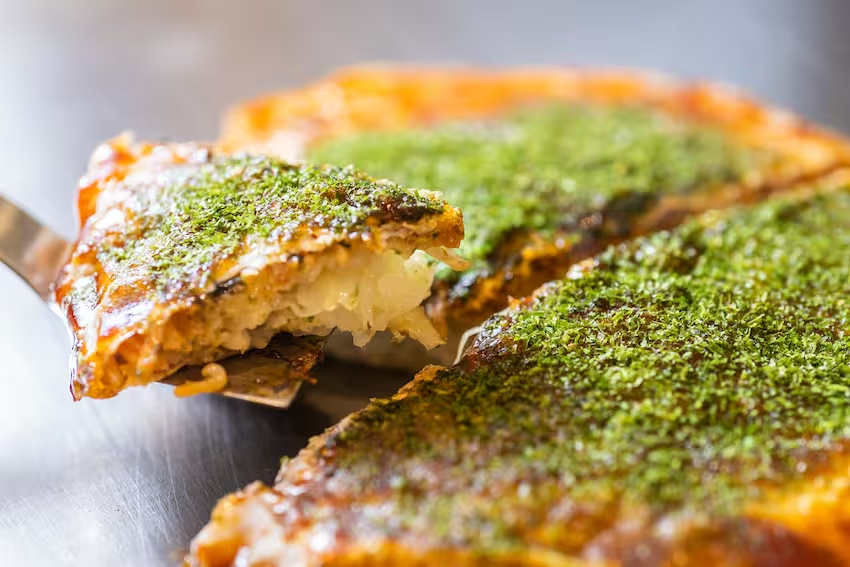
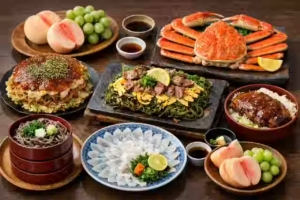
You can’t talk about Western Honshu food without mentioning Hiroshima. Specifically, “Okonomiyaki.” In the US, it’s sometimes introduced as a “Japanese Pancake,” but I feel like “pancake” sounds a bit too cute. This is more complex—it’s a full meal. You might wonder how it differs from the Osaka-style okonomiyaki. In Osaka, they mix all the ingredients together before grilling, but in Hiroshima, they layer the ingredients one by one. There’s cabbage, pork, and most importantly, yakisoba noodles.
Watching a chef skillfully stack the layers on the griddle right in front of you is like a mini show. Every time they press down with the spatula, the savory aroma of searing sauce wafts through the air. At that moment, your hunger hits its peak. Are you worried it might be too heavy with all those carbs? Surprisingly, because the shredded cabbage steams down and becomes sweet, you can finish it off before you know it. It might be the magic of that sweet and savory sauce.
Need a Little Courage? Yamaguchi’s Fugu and Kawara Soba
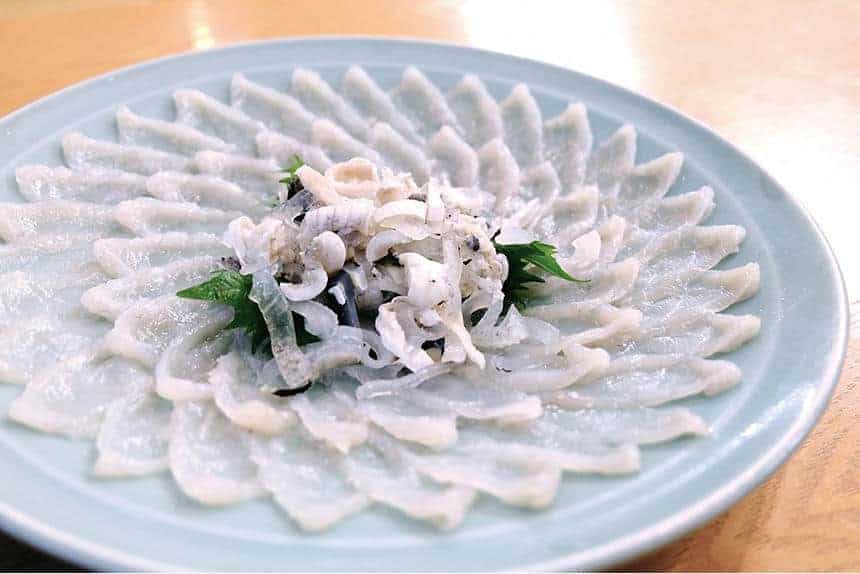
Heading further west to Yamaguchi Prefecture at the tip of Honshu, a slightly more thrilling experience awaits: “Fugu” (pufferfish). Yes, the poisonous fish. Do you think it’s crazy to go out of your way to eat a poisonous fish? I was scared at first, too. But don’t worry. Preparing fugu in Japan requires a very strict national license. These chefs are the pros among pros. The thinly sliced fugu sashimi is transparently beautiful—so thin you can see the pattern of the plate through it. When you take a bite, it has a springiness you wouldn’t expect from whitefish. The more you chew, the more the umami comes out. If you visit this area in the winter, muster up some courage and give it a try. It’ll be a story you can brag about for the rest of your life.
Yamaguchi also has another strange dish: “Kawara Soba.”
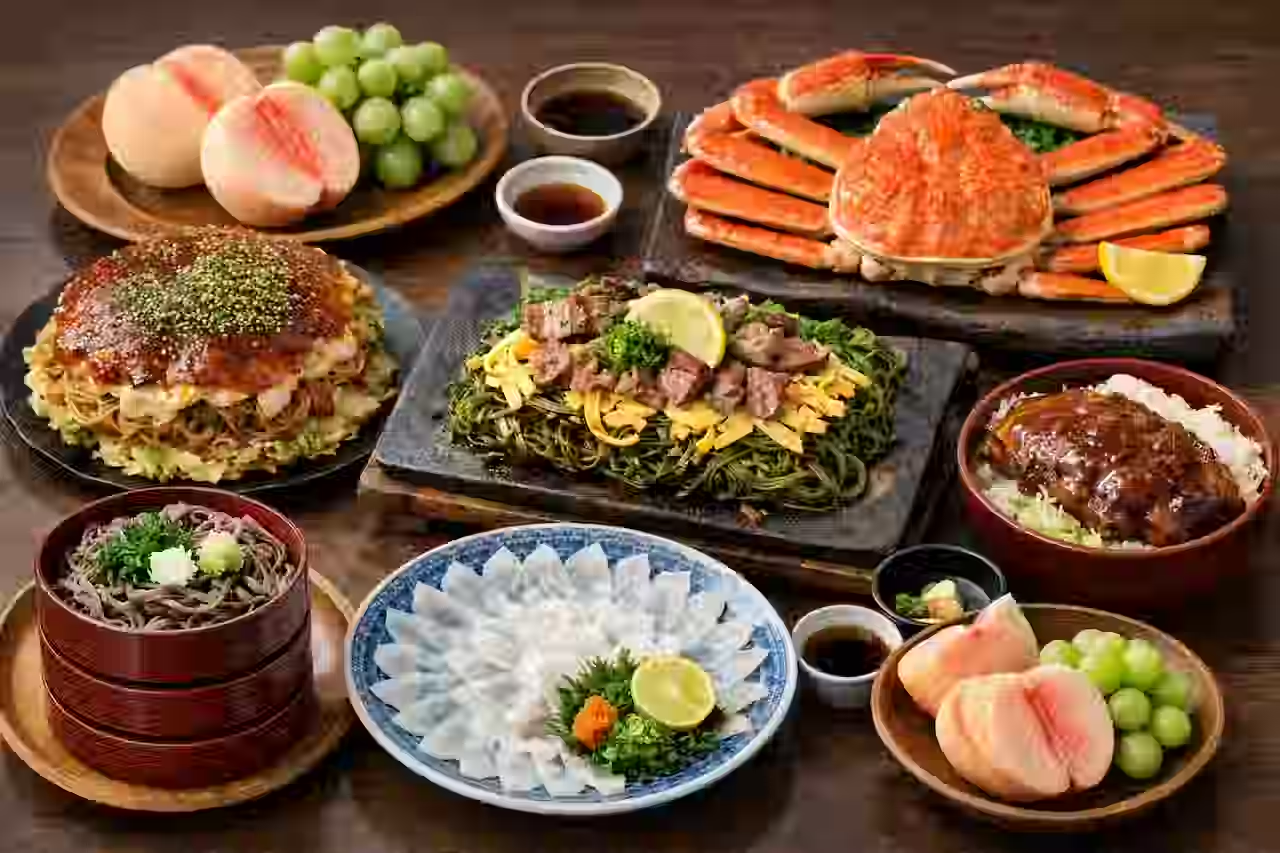
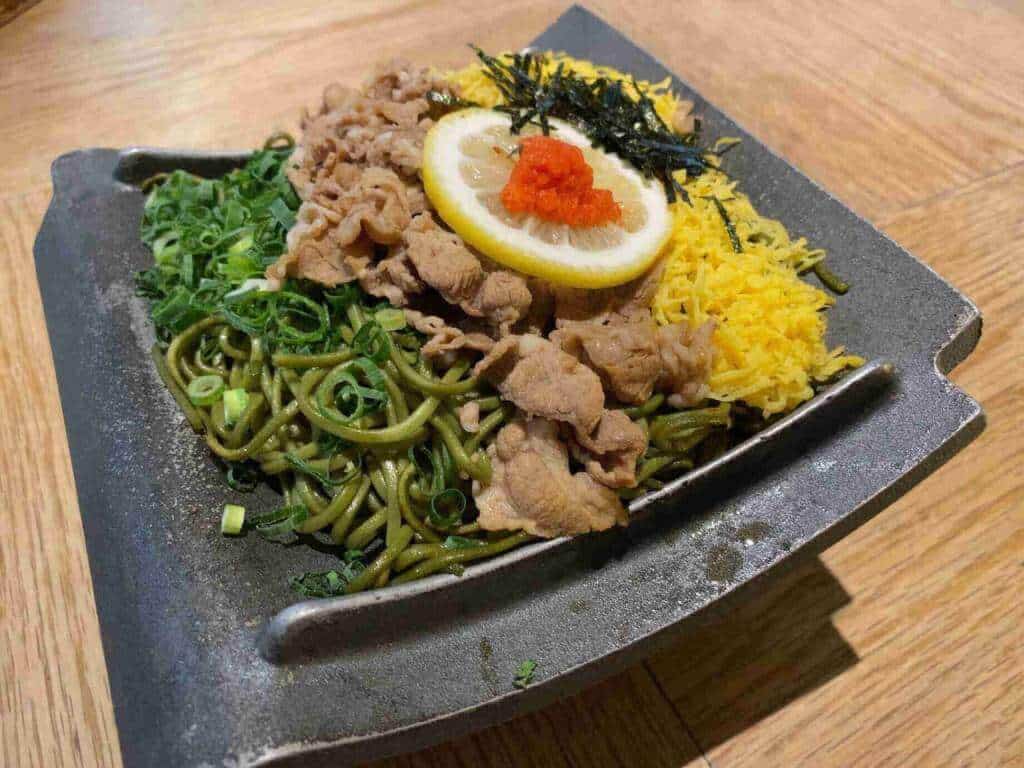
Literally, green tea soba noodles, beef, and shredded omelet are served on top of a piping hot roof tile (kawara). Everyone wonders, “Why a roof tile?” Legend has it that soldiers used tiles to grill meat between battles long ago. The heat from the tile makes the bottom layer of noodles crispy and charred, which tastes amazing. You dip them into a warm broth with a slice of lemon. The visual impact is perfect for Instagram, but the flavor is the real deal.
Jewels of the Sea of Japan: Seafood in Tottori and Shimane
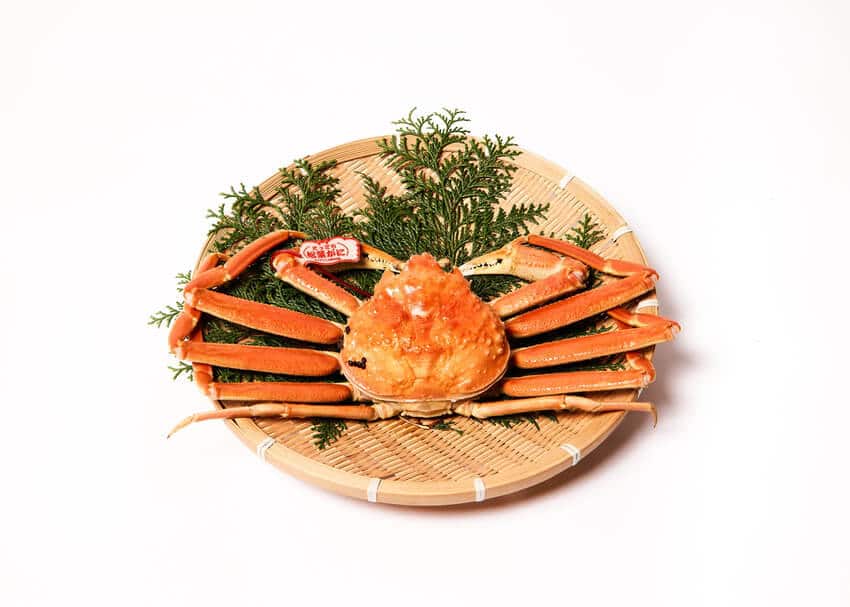
Fresh snow crab served on a traditional Japanese bamboo tray with greenery, showcasing authentic Japanese seafood delicacy.
Let’s turn our attention to the northern Sea of Japan area, specifically Tottori and Shimane prefectures. These spots are far from Tokyo and might not be well-known to American tourists. But that’s exactly why they’re worth the trip. In this region, where the winter cold is biting, you can taste exquisite, fatty seafood. Tottori’s “Matsuba Crab” is in a league of its own.
You might hesitate when you see the price. It’s certainly not cheap. However, the moment you peel the shell off a freshly boiled crab leg and fill your mouth with the dense, sweet meat, any thought of the cost vanishes. The rich flavor of the crab miso pairs so perfectly with sake that it’s almost dangerous.
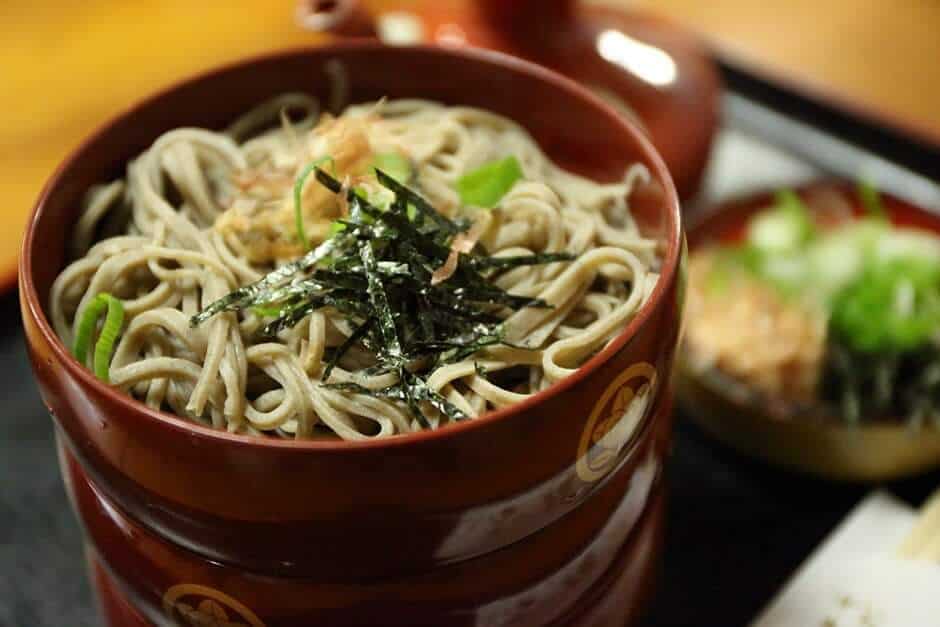
Silky soba noodles garnished with seaweed and green onions in a traditional Japanese bowl. Authentic food in Japan showcasing classic flavors.
In Shimane Prefecture, you have to try “Izumo Soba.” While many Japanese buckwheat noodles are whitish, the soba here is dark and characterized by a strong aroma. It’s served in round lacquerware containers called “Warigo.” You eat it by adding garnishes and pouring the sauce directly over the noodles. It’s simple, but you can really taste the hardiness of the grain.
The Contrast of Okayama’s Fruit and “B-Grade” Gourmet
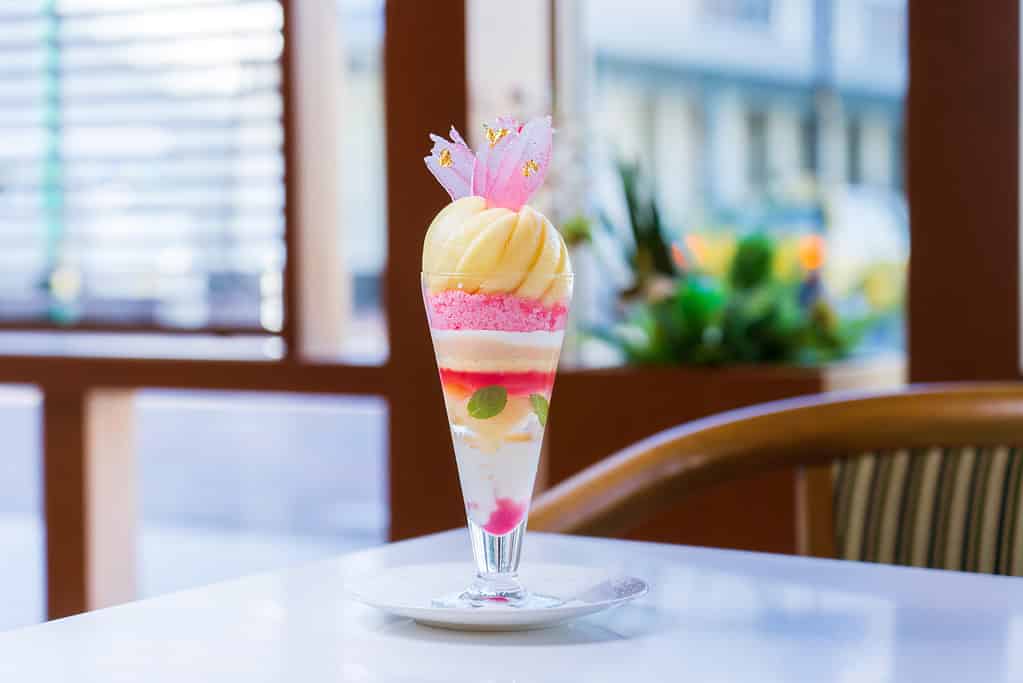
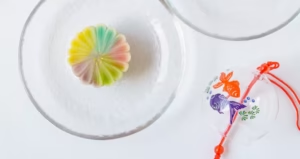
A beautifully crafted parfait featuring vibrant layers and a flower-shaped topping, showcasing Western Honshu’s sweet culinary delights.
Finally, we have Okayama Prefecture to the east. Known as the “Land of Sunshine,” it boasts great weather that produces top-tier fruit.
The white peaches and Muscat grapes are particularly famous. You may have heard that Japanese fruit is expensive, but one bite of an Okayama peach will tell you why. When you slice into it, the juice drips out, and the texture melts in your mouth. It’s like a delicate work of art, completely different from American peaches.
On the other hand, Okayama also has an interesting dish called “Demi-Katsu Don.” It’s a bowl of rice topped with cabbage and a pork cutlet, but then—of all things—it’s smothered in demi-glace sauce. This dish defies the Japanese common sense that “katsu-don must have egg and soy sauce.” It might feel strange at first, but the combination of the rich sauce and rice is strangely nostalgic and addictive.
A Journey Through the Food of the Chugoku Region
What did you think of the world of Chugoku food?
While sophisticated Kaiseki cuisine is wonderful, I feel like the experiences that stimulate the five senses—the smell of sauce searing on a griddle or the sound of soba cooking on a roof tile—are what truly stick with you as travel memories. You might be worried about the language barrier. But the people in this area are down-to-earth and kind. If you say “Oishii!” with a smile, you’re sure to get a great smile in return.
On your next trip to Japan, why not hop off the Shinkansen halfway and give the flavors of Western Honshu a try? You’re bound to find a special dish that’s all your own.











Comments