





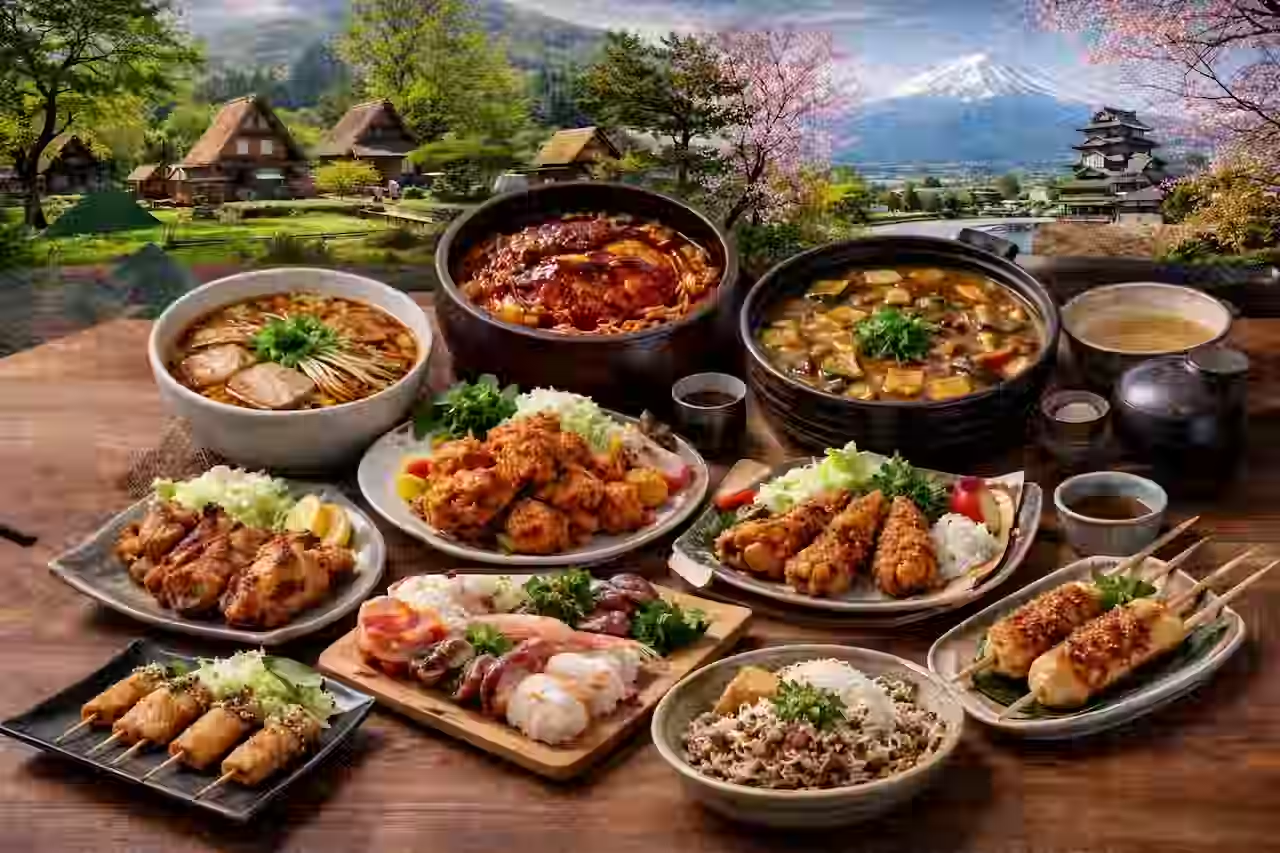
About the Chubu Region and Its Food Culture
What comes to mind when you hear “Chubu Region”? Located right in the middle of the Japanese archipelago, this area actually boasts the most diverse natural environment in Japan. From the 3,000-meter-high peaks of the Japanese Alps to both the Sea of Japan and the Pacific Ocean. This extreme variation in topography has fostered a truly unique food culture.
In mountainous areas, a culture of preserved foods developed to endure harsh winters, while along the coast, dishes making the most of fresh seafood were born. What’s interesting is that these aren’t entirely separate; mountain ingredients and sea ingredients meet, creating new flavors. The cuisine of the Chubu Region is packed with such “encounter” stories.
The strong, lingering culture of fermented foods is another characteristic of this region. Fermentation techniques devised in an era without refrigeration to preserve ingredients longer are now passed down as cooking methods that produce unique umami. The strong aroma that might be surprising at first becomes an addictive, deep flavor once you get used to it.
Now, let’s introduce these charming local dishes from the Chubu Region, prefecture by prefecture.
1. Hooba Miso (Magnolia Leaf Miso) – Gifu Prefecture
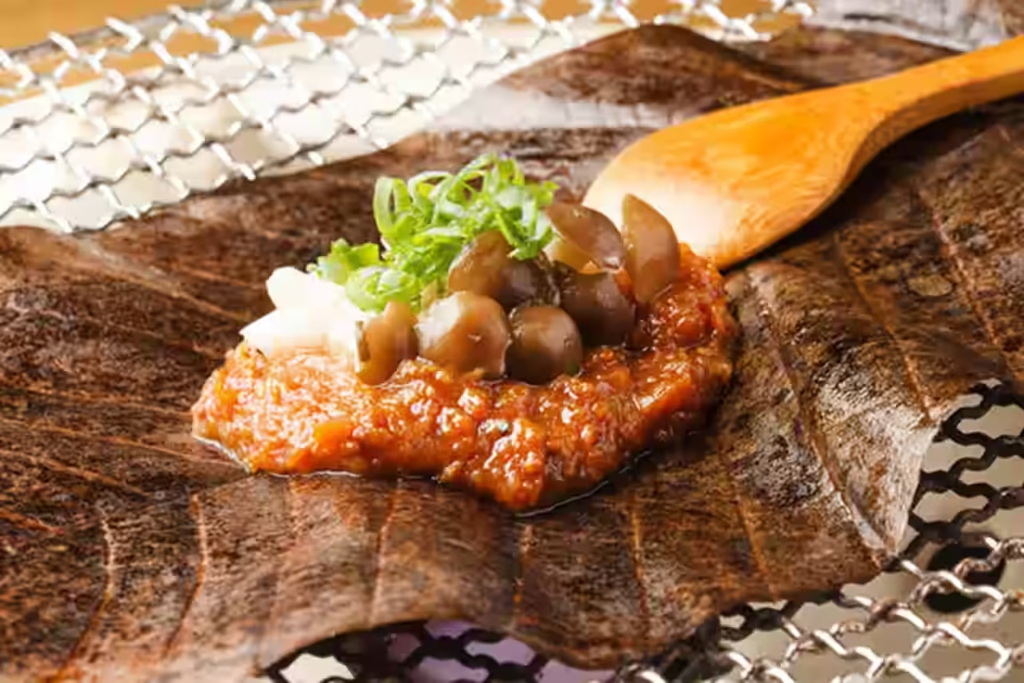
When first seeing Hooba Miso, many people might be confused, wondering, “How do you eat this?” It’s just miso and vegetables on a large magnolia leaf. But don’t be fooled by this simple appearance.
Hooba Miso is a dish representing winter in the Hida region of Gifu Prefecture. Miso is placed on a large magnolia leaf, mixed with ingredients like green onions, shiitake mushrooms, and mountain vegetables, and slowly grilled over an irori hearth or shichirin charcoal grill. Just watching the miso become fragrant and caramelized as it grills is enough to make you hungry.
Why do I recommend this dish? Sure, it’s simply delicious, but more than that, the experience itself is special. When the magnolia leaf is heated, a unique, forest-like aroma rises. That moment when that scent mixes with the savory smell of grilled miso. This is something you need to experience for yourself rather than have explained.
The moisture from the ingredients mixes with the miso to create a soft, melting texture, and when you put it on hot rice, you can’t stop eating. Hooba Miso eaten while grilling around an irori on a cold winter night is more than just a meal—it’s a cultural experience.
It’s a standard menu item at inns and minshuku (family-run lodgings) in Gifu Prefecture, and you can find it at many establishments, especially around Takayama City.
2. Hegi Soba – Niigata Prefecture
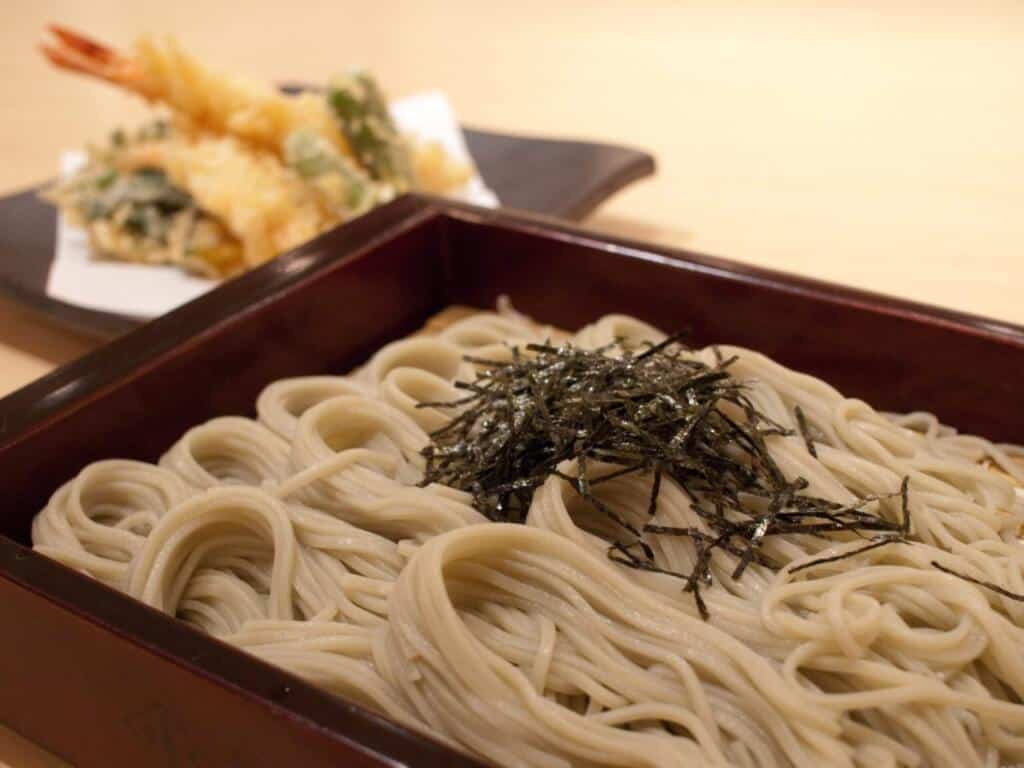
Niigata has a strong image as a rice-producing region, right? But actually, its soba (buckwheat noodles) is also fantastic. Hegi Soba is a dish where bite-sized balls of soba are arranged and served on a wooden tray called a “hegi.” Its beautiful appearance makes you want to take a picture immediately.
The biggest feature of this soba is the use of funori seaweed as a binding agent. This creates a smooth texture and unique firmness different from regular soba. You’ll notice right away with the first bite, “Hey, this isn’t ordinary soba.”
Why should you try this soba? Because it’s a dish packed with the ingenuity of Niigata’s people. Soba was cultivated in mountainous areas, and seaweed was harvested along the coast. They combined both to create a unique soba found nowhere else. The presentation of rolling it into bite-sized pieces and arranging them is also a clever idea that balances ease of eating with visual beauty.
It’s said to have originated in Niigata’s Uonuma region and Ojiya City, and now it can be enjoyed all over the prefecture. It’s often served cold, so it’s especially recommended when visiting in hot seasons.
3. Houtou – Yamanashi Prefecture
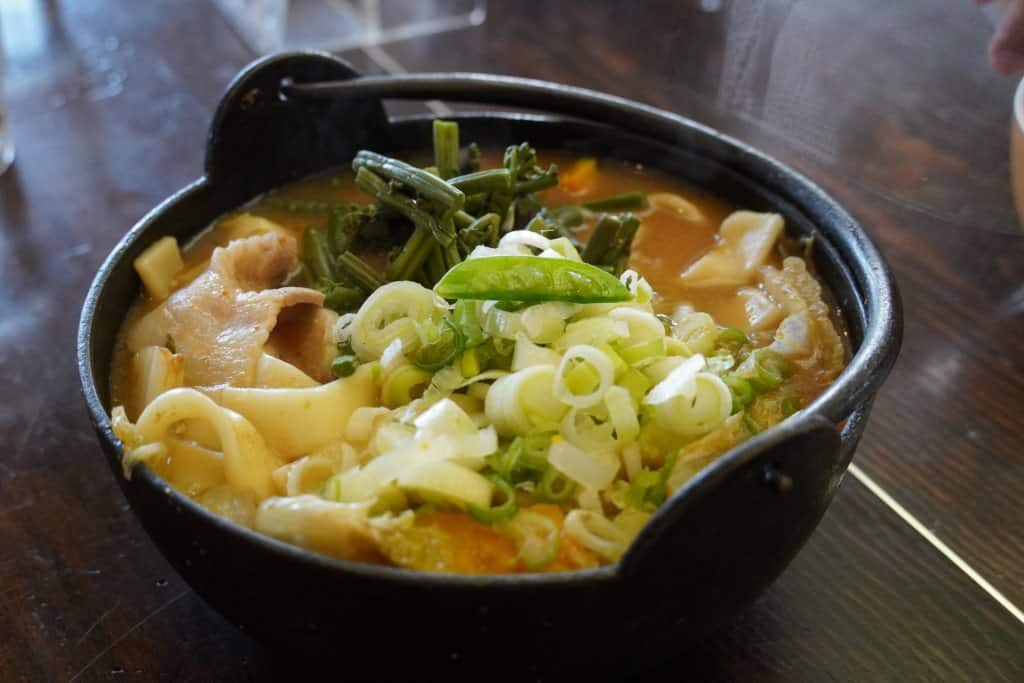
First-time eaters of Houtou might be surprised by its quantity. Thick noodles and plenty of vegetables in a large pot. You might worry if you can finish it alone. But strangely, as you eat, your body warms up, and before you know it, you’ve cleaned your bowl.
Houtou is a local dish of Yamanashi Prefecture where wide, flat noodles are stewed with vegetables in a miso-based broth. It contains lots of vegetables like pumpkin, daikon radish, carrot, taro root, and napa cabbage. A characteristic is that the noodles are stewed raw, so the flour dissolves and thickens the broth.
The reason I recommend this dish is that it’s a practical and delicious dish born from Yamanashi’s climate and history. Yamanashi is a basin with extreme temperature differences, and winters are very cold. Houtou was born in this climate to warm the body and provide nutrition. There’s also a legend that warlord Takeda Shingen valued it as battlefield rations, adding a sense of historical romance.
Stewing raw noodles isn’t something you do in ordinary cooking, right? But this is surprisingly sensible; the starch from the wheat flour gives the broth a thickness and helps it stay hot longer—a wisdom born of cold mountainous regions.
It can be eaten almost everywhere in Yamanashi Prefecture, but there are many specialty shops around Kofu City, each competing with their own unique flavor.
4. Miso Katsu (Miso Cutlet) – Aichi Prefecture
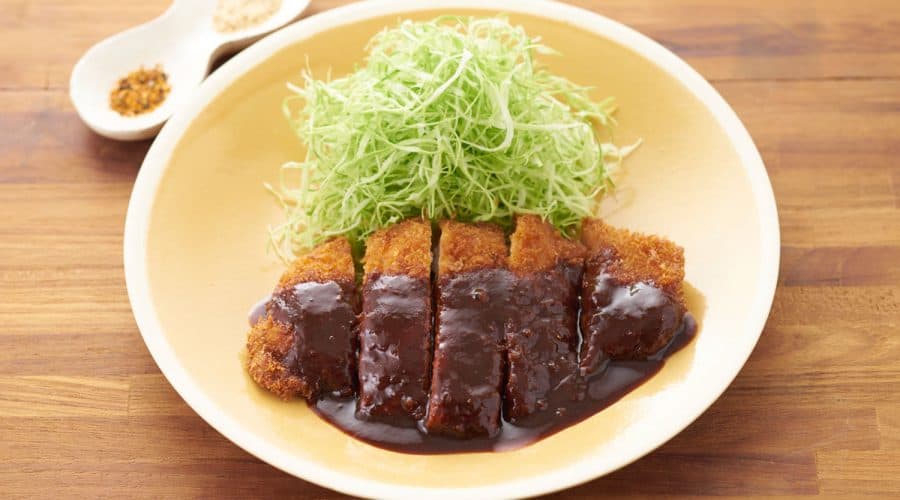
When it comes to representative Nagoya cuisine, Miso Katsu is it. It’s a dish of tonkatsu (pork cutlet) topped with a thick red miso-based sauce. First-timers might be surprised, “What, miso on cutlet?” But one bite will convince you of the perfection of this combination.
In Aichi Prefecture, especially around Nagoya City, a unique red miso called Hatcho Miso has been made since long ago. This miso, aged for a long period, has a rich, deep flavor with a slight bitterness. A sauce made by adding sugar, mirin, and dashi to this miso is poured over crispy fried tonkatsu. The sweet-salty flavor and the cutlet’s umami combine perfectly, guaranteed to make you eat more rice.
Why should you try this dish? Because you can understand the essence of Nagoya’s food culture. Nagoya people really use miso a lot: Miso Nikomi Udon (miso-stewed udon), Miso Oden, Doteni (beef tendon stew). All are dishes where miso is the star. Among them, Miso Katsu is a highly creative dish that masterfully adapts the foreign dish of tonkatsu into a Nagoya style.
At first, you might be surprised by the strong flavor, but eating it with shredded cabbage creates just the right balance. It’s a taste of the common people, easily enjoyed at teishokuya (set meal restaurants) and specialty shops in Nagoya City.
5. Toyama Black Ramen – Toyama Prefecture
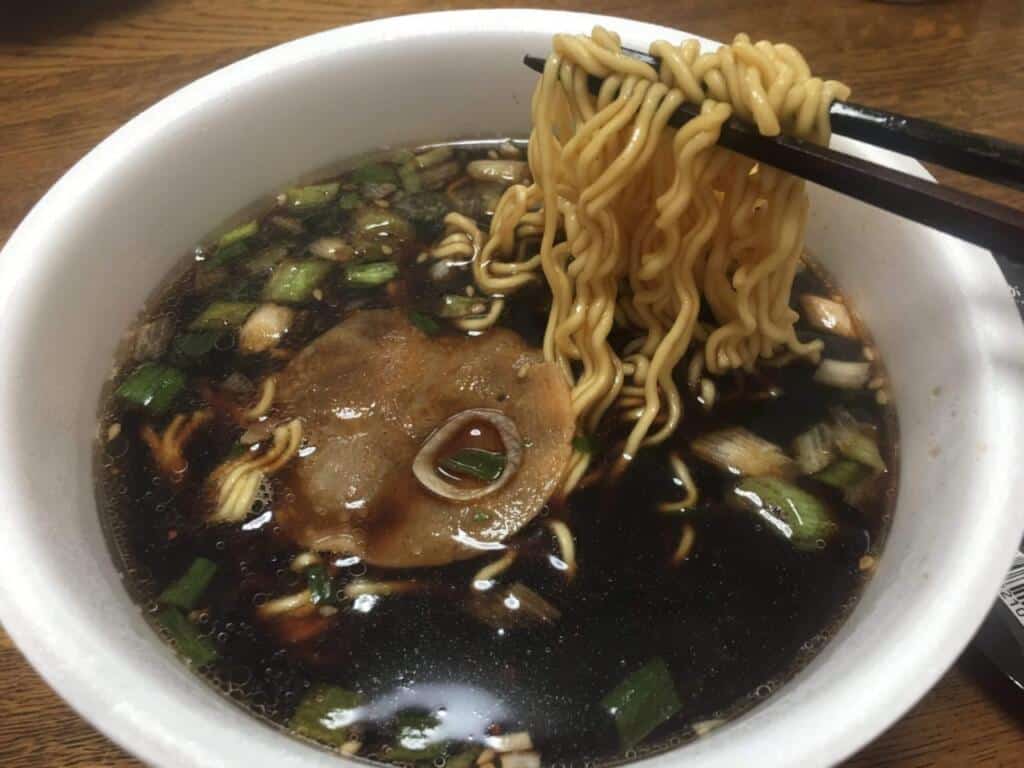
When you first see the pitch-black soup, some might hesitate, wondering if it’s really edible. Soup dyed jet-black by dark soy sauce. But this is the charm of Toyama Black.
Toyama Black is ramen characterized by its pitch-black soup made with plenty of koikuchi (dark) soy sauce. It looks salty, right? Actually, it’s quite salty. But there’s a reason for this. Originally, it was ramen eaten by laborers as a side dish for plain white rice. So, the seasoning assumes it will be eaten with rice.
Strangely, many people get hooked on this strong flavor. The first bite might feel “salty,” but as you eat more, you get drawn into its powerful umami. Especially after physical labor or on cold winter days, this rich flavor seeps into your body.
When eating Toyama Black, be sure to order plain white rice too. Pour the jet-black soup over the rice and eat it together. This is the original way to eat it. It might seem bad manners at first, but in Toyama, this is the proper way. Follow the locals and give it a try.
There are many ramen shops in Toyama City, and it’s interesting to compare them as the taste varies slightly from shop to shop.
6. Jibuni – Ishikawa Prefecture
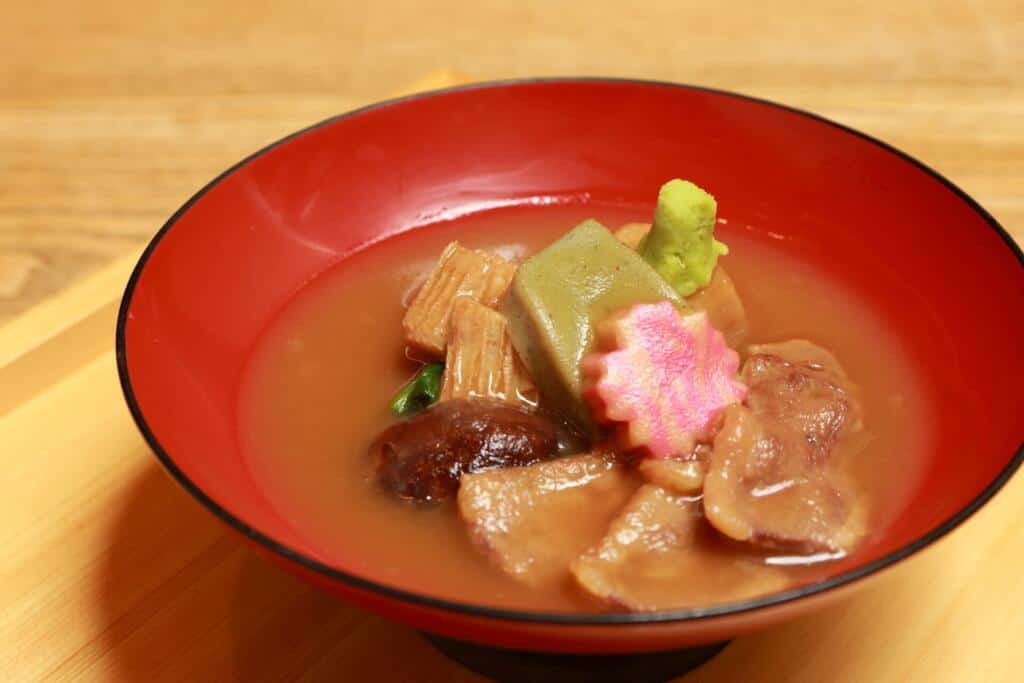
When I first heard the name Jibuni, I couldn’t imagine what it was. But it’s a proper dish with over 300 years of history as a representative local cuisine of Kanazawa.
Jibuni is a dish where duck meat is coated with wheat flour and stewed together with vegetables and sudare fu (thinly sliced wheat gluten). Coating with flour is the key point; this seals in the meat’s umami and thickens the stewing liquid. Finishing it with wasabi also creates a refined taste characteristic of Kanazawa.
Why do I recommend this dish? Because it’s a dignified dish that conveys the culture of Kaga Hyakumangoku (the wealthy Kaga domain) to the present day. Kanazawa flourished as a castle town of the Kaga domain during the Edo period, nurturing its own food culture. Jibuni is its representative, possessing both the dignity of samurai cuisine and practicality.
Coating with flour and stewing might seem like an unusual cooking method at first glance. But it works wonderfully; the meat becomes tender, the broth gains just the right thickness, creating a unified flavor. The refreshing spiciness of wasabi softening the duck’s fattiness is also a calculated combination that shows the wisdom of Kanazawa’s chefs.
It’s served at ryotei (traditional restaurants) and local cuisine restaurants in Kanazawa City, but recently it’s also made at home, and Jibuni duck meat sets are sometimes sold at supermarkets.
7. Echizen Oroshi Soba – Fukui Prefecture
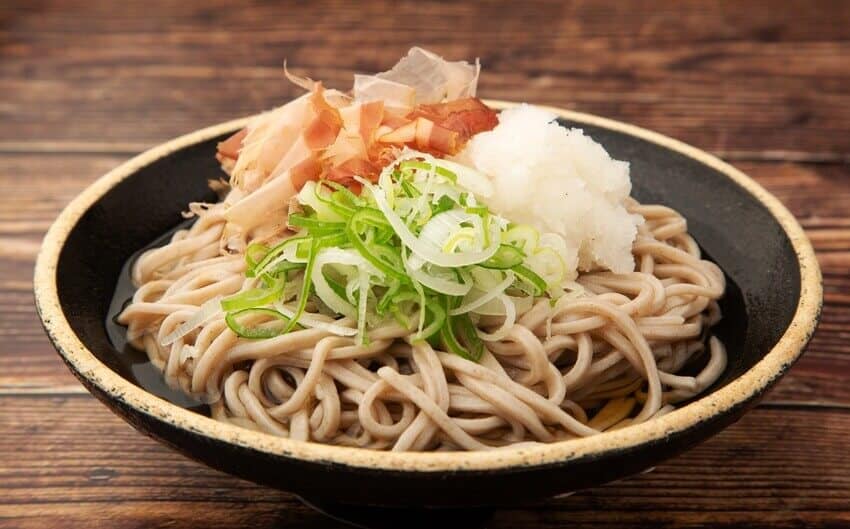
Fukui Prefecture’s Echizen Oroshi Soba is a simple yet strongly impressive dish. Cold soba topped generously with grated daikon radish, with broth poured over it to eat. The appearance might be plain, but one bite will make you realize its depth.
The feature of this soba is the abundant use of strongly pungent grated daikon radish. Often, they use a variety called karami daikon (spicy radish), not ordinary daikon. Its spiciness shoots up through your nose, further enhancing the soba’s aroma.
Why should you try this soba? Because you can experience the essence of Fukui’s soba culture. Fukui Prefecture ranks second nationwide in soba cultivation area after Hokkaido. Their attachment and dedication to soba is no joke. Echizen Oroshi Soba has been eaten in Fukui for over 400 years.
You don’t often see soba using grated daikon this generously in other regions, right? You might worry it’s too spicy at first, but strangely this spiciness doesn’t mask the soba’s flavor but rather accentuates it.
This Oroshi Soba is served at many soba shops within Fukui Prefecture, especially in Fukui City and Echizen City. The spiciness varies by shop, so finding your favorite is part of the fun.
8. Gohei Mochi – Nagano Prefecture / Gifu Prefecture

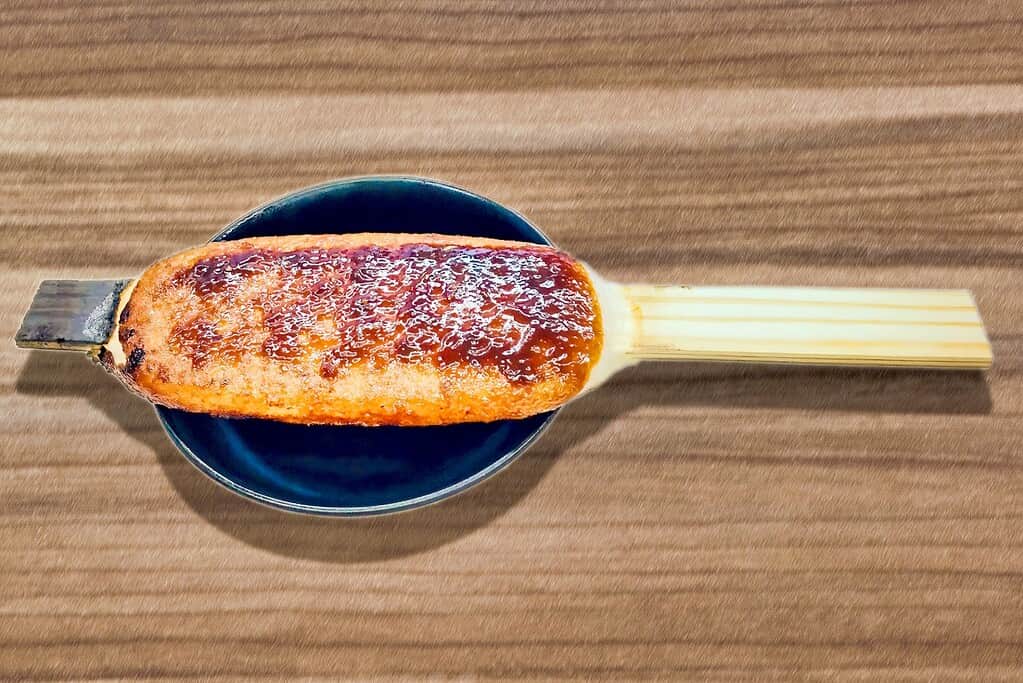
When you first see Gohei Mochi, you might be a little confused—is it mochi or onigiri? It’s made by mashing rice, skewering it on a stick, flattening it into shape, coating it with a sweet-salty sauce, and grilling it. It’s closer to grilled rice balls than mochi.
The shape varies by region: flat oval shapes, round dumpling shapes, sandal shapes—truly diverse. What they have in common is mashing cooked rice about halfway, skewering it on a stick, coating it with a sweet-salty sauce made from miso or walnuts, and grilling it. The aroma of the fragrantly grilled sauce stimulates your appetite.
The reason I recommend Gohei Mochi is that it’s a dish packed with the life wisdom of people living in the mountainous areas of the Chubu Region. In mountainous areas from southern Nagano to eastern Gifu, there’s a custom of making Gohei Mochi during festivals and celebrations. It’s easier to make than mochi using glutinous rice and is filling. It was also valued as portable food for work or travel in the mountains.
It’s interesting how the ingredients used in the sauce differ by region too: walnuts, sesame seeds, perilla seeds, peanuts—whatever is available locally. While miso-based is standard, some regions use soy sauce. Even though it’s all Gohei Mochi, the taste is completely different depending on where you eat it.
You can enjoy freshly grilled Gohei Mochi at roadside stations and tourist spots in Nagano’s Kiso region and Gifu’s Hida region. There are also live demonstrations where they grill it on the spot; you’ll be drawn in by the savory smell and end up buying some.
9. Sakura Ebi no Kakiage (Sakura Shrimp Fritters) – Shizuoka Prefecture
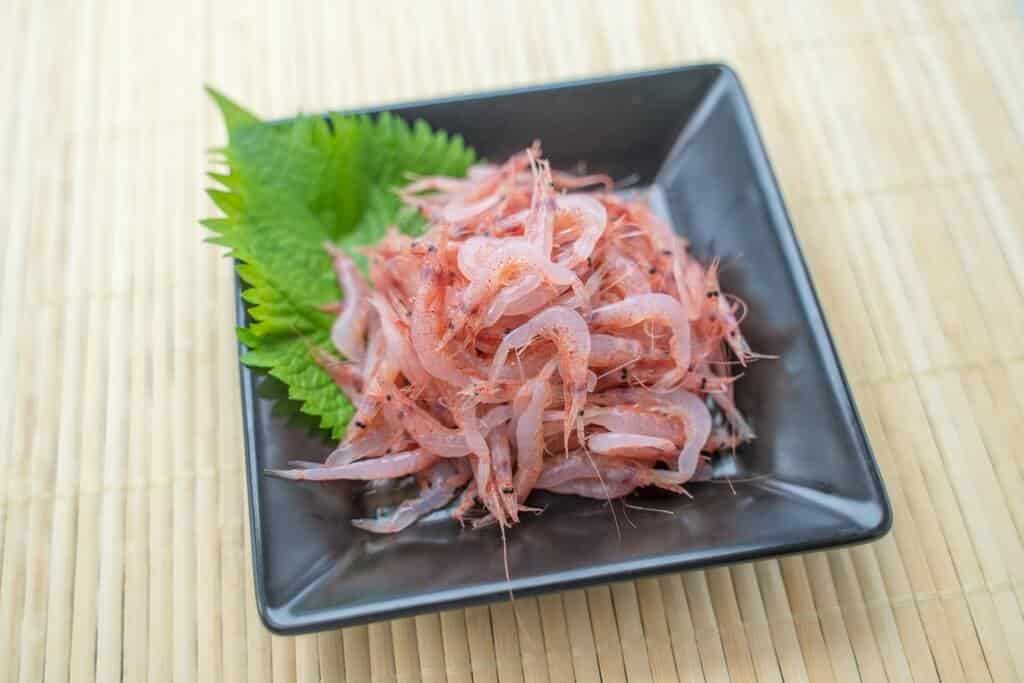
Have you ever seen tiny, translucent pink shrimp? That’s sakura ebi (sakura shrimp). Caught in Suruga Bay during spring, these shrimp have a beautiful color like cherry blossom petals.
Sakura Ebi no Kakiage is a dish where these sakura shrimp are used generously in a fritter. Inside the crispy batter, the popping texture and rich umami are sealed in. One bite fills your mouth with the scent of the sea and the sakura shrimp’s unique sweetness.
Why should you try this dish? Because you can taste the deliciousness of sakura shrimp—only available from Suruga Bay—in its simplest form. Sakura shrimp are precious shrimp caught only in Suruga Bay and parts of Taiwan worldwide. Moreover, only those caught in Suruga Bay are fresh enough to eat raw.
Making them into kakiage concentrates the sakura shrimp’s umami. You can eat them shell and all, so they’re rich in calcium too. They’re delicious as tempura donburi or on top of soba/udon, but eating them freshly fried as-is is still the best.
Around Shizuoka’s Yui Town and Shimizu Port during the sakura shrimp fishing seasons of spring and autumn, you can enjoy kakiage made with fresh sakura shrimp. Outside the season, frozen ones are used, but they’re still plenty delicious.
10. Sasa Zushi (Bamboo Grass Sushi) – Ishikawa Prefecture / Toyama Prefecture / Niigata Prefecture
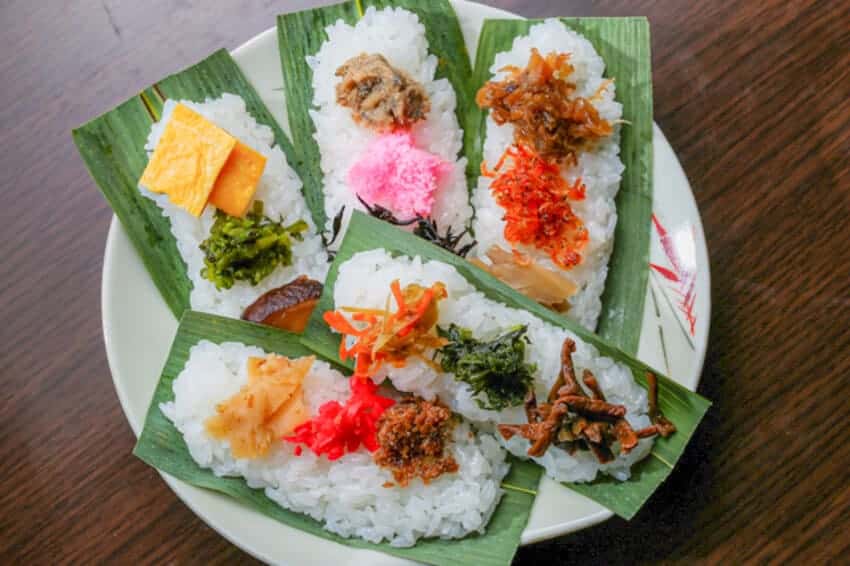
When you see small sushi wrapped in bamboo grass leaves, doesn’t it feel like a feast for a special occasion? Sasa Zushi has long been cherished as a dish for celebratory days in the Hokuriku region.
Sasa Zushi is a type of pressed sushi where various toppings are placed on vinegared rice and wrapped in bamboo grass leaves. Toppings vary by region and season but commonly include shredded omelet, shiitake mushrooms, salmon, and mountain vegetables. The refreshing aroma of the bamboo grass leaves transfers to the rice, creating a unique flavor.
I recommend this sushi because it’s a dish where you can feel the Hokuriku people’s coexistence with nature. Bamboo grass leaves have antibacterial properties and were ideal packaging material for preserving and transporting food in an era without refrigeration. Bamboo from the mountains combined with seafood from the sea and rivers—it’s packed with wisdom unique to Hokuriku.
Wrapping them in bamboo grass leaves keeps the sushi from drying out, maintaining just the right moisture while staying delicious. That moment when you open the leaf and the bamboo grass aroma wafts out—that’s also part of the enjoyment of Sasa Zushi.
It’s made in each region of Ishikawa, Toyama, and Niigata prefectures and is an indispensable dish for special occasions like festivals and memorial services. You can buy it at roadside stations and souvenir shops too, but if possible, try Sasa Zushi made by locals.
In Closing
How was your journey through the local foods of the Chubu Region? It’s truly an area packed with diverse food culture—mountain blessings and sea blessings, from fermented foods to new casual gourmet dishes. Each of these dishes reflects the local climate, history, and wisdom of people’s lives.
Honestly, some dishes might be confusing at first due to their appearance or smell: jet-black ramen or fermented sushi with a unique aroma. But precisely those dishes become an entrance to deeply understanding that land’s culture. If you have the courage to take one bite, you’re sure to discover new deliciousness.
If you have a chance to visit the Chubu Region, please try these local dishes. Ideally, eating at places locals frequent or dishes made in homes would be best. Touching people’s lives and culture through food—isn’t that the true pleasure of travel?
Check below for other area food!!
Comments