In Japan, food education, called “shokuiku,” goes far beyond simply feeding students. It’s actually a comprehensive system that weaves together nutrition, cultural values, and lifelong eating habits. Through school lunches, children learn about balanced meals while staying connected to their culinary heritage. Does it work? Well, educators worldwide seem to think so, though I wonder sometimes if the success comes more from the consistency than from any single brilliant idea.
The whole thing started back in 1889, believe it or not. A private elementary school in Tsuruoka, a city in Yamagata Prefecture, began serving meals to students who clearly weren’t getting enough to eat at home. These weren’t elaborate dishes. Rice balls, some grilled fish, pickled vegetables. Simple stuff. But the people running that school understood something crucial: you can’t expect kids to focus on learning when they’re hungry.
Fast forward to the 1920s. The Ministry of Education started encouraging schools nationwide to adopt lunch programs. The thinking was pretty straightforward. Better nutrition equals healthier students, which should mean better learning outcomes. Makes sense, right? Then World War II happened, and suddenly the question of how to feed children became desperately urgent. The country was struggling, resources were scarce, and malnutrition was widespread.
Out of that difficult period came the School Lunch Act in 1954. This law did something important. It took all those scattered, well-meaning local efforts and turned them into a coordinated national program with actual standards. Now, you might wonder why Japan needed a law for this. Couldn’t schools just figure it out themselves? Perhaps, but the legislation ensured that every child, regardless of where they lived or how much money their family had, would receive nutritious meals.
What strikes me about this law is that it wasn’t just about filling stomachs. It laid out specific nutritional guidelines and made balanced eating a real priority in the education system. Some people see this as part of Japan’s broader philosophy about collective responsibility for the next generation. Others might view it more practically, as a response to postwar challenges. Either way, it shows how a country can adapt its traditions to address modern problems while keeping hold of certain core values about community and care.
Japanese food education serves multiple important purposes. It promotes health and instills desirable eating habits. The program fosters appreciation for traditional Japanese lunches. Schools serve diverse dishes reflecting seasonal and cultural significance.
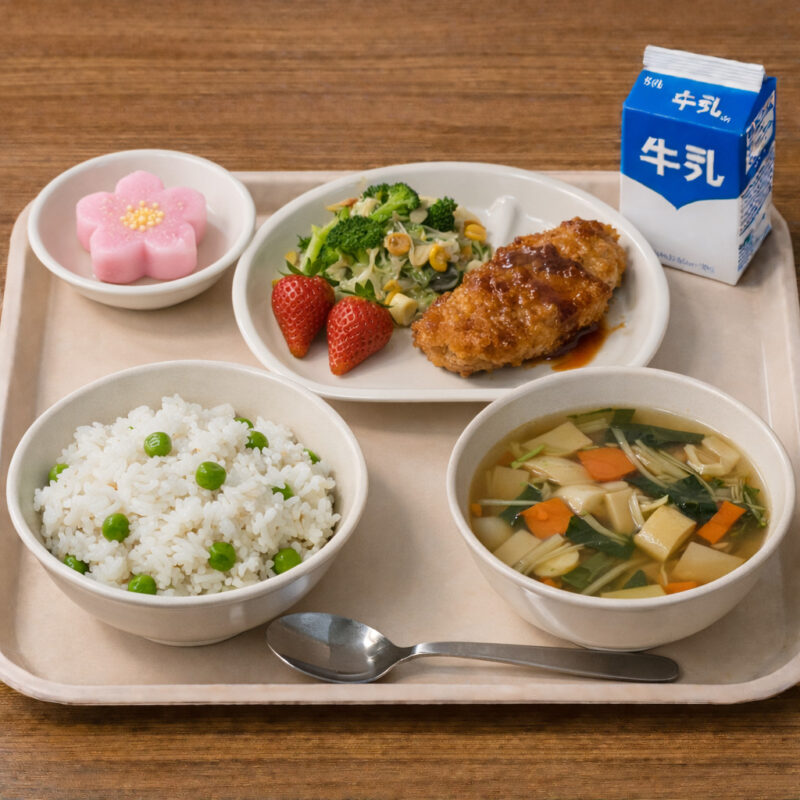
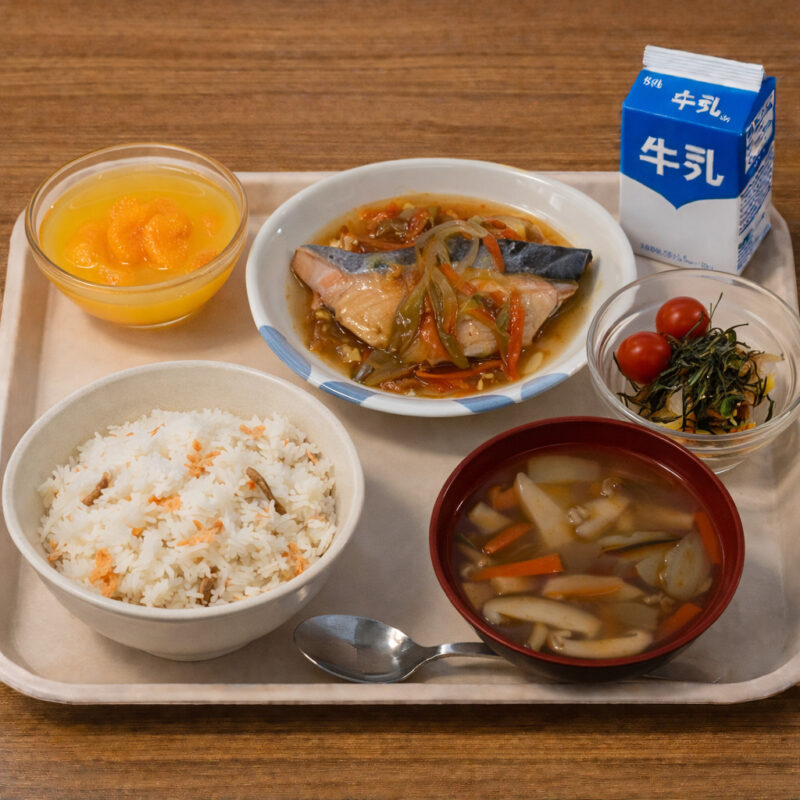
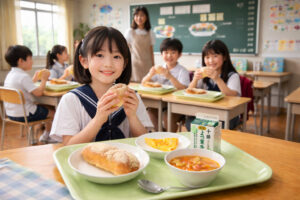
Each meal includes a main course, side dishes, and milk. This structured format ensures balanced nutrient intake. Japanese cafeteria food engages students through diverse ingredients and preparation methods. The approach extends beyond the cafeteria into family life.
Students learn to value food and understand nutrition. They appreciate the cultural aspects of Japanese cuisine. These principles could inspire improvements in school meal programs worldwide.
Traditional Japanese Lunch Dishes in Schools
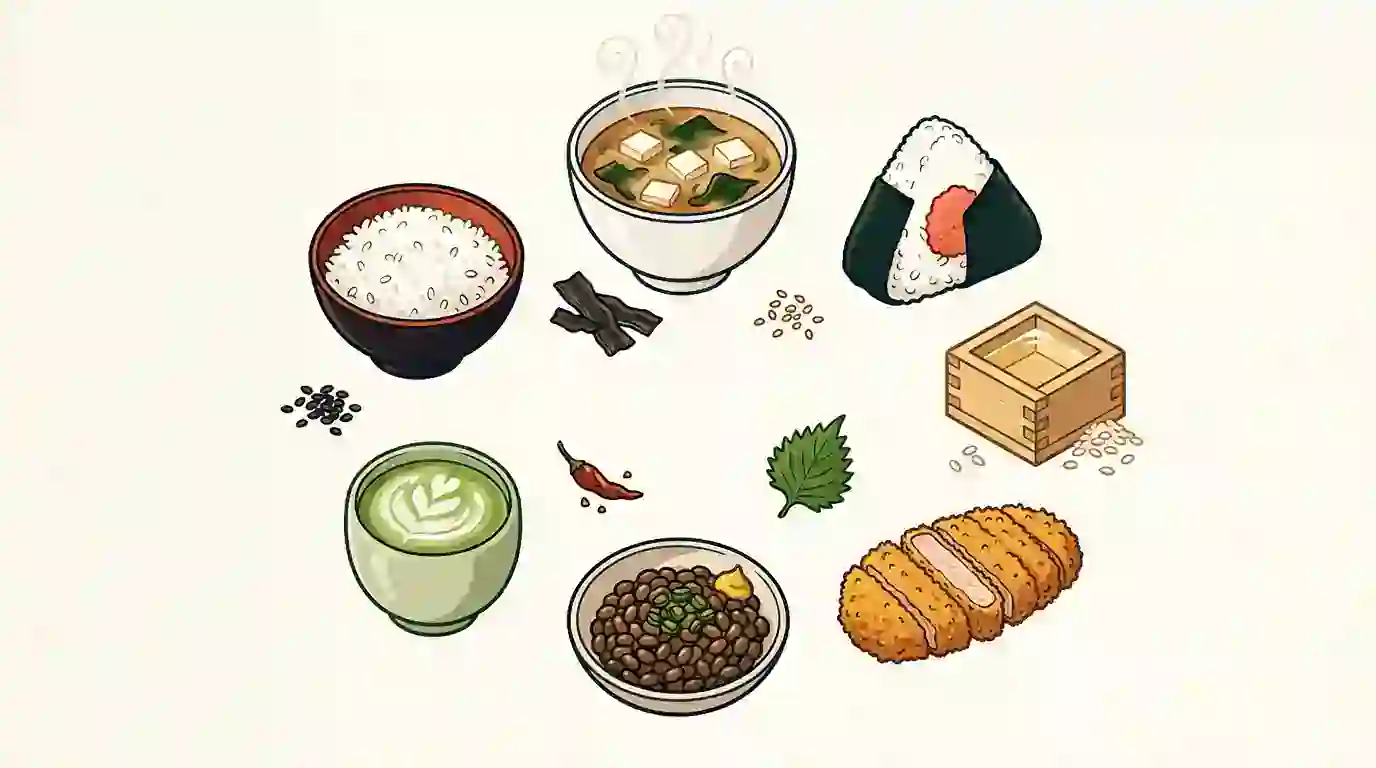
School lunches in Japan are called “kyūshoku.” They represent crucial elements of cultural cultivation and food education. Rice serves as the centerpiece of most meals. It’s accompanied by various proteins and vegetables.
Common menu items include miso soup and grilled fish. Pickled vegetables offer authentic Japanese cuisine flavors. These Japanese lunch dishes ensure nutritional balance for growing students. The variety encourages children to appreciate diverse foods.
Students learn about the importance of what they consume. This reinforces healthy eating habits from an early age. The meals provide essential nutrients for growth and development.
Seasonal and Regional Menu Variations
Seasonal Menu Variations in Japanese Food Education
Japanese cafeteria food celebrates seasonal diversity through carefully planned menus. Ingredients change with the seasons throughout the year naturally. This practice connects students to nature’s rhythms and cycles. Understanding seasonal eating is a cornerstone of Japanese food education.
Spring Menu Highlights
Spring menus highlight fresh bamboo shoots and young vegetables. Cherry blossom season brings special rice dishes with pink pickled plums. Tender spring cabbage and fresh peas appear on plates. Strawberries and spring greens add vibrant colors to lunches. Young shoots called “takenoko” symbolize new beginnings and growth. Fava beans and asparagus provide seasonal freshness and nutrition.
Summer Menu Highlights
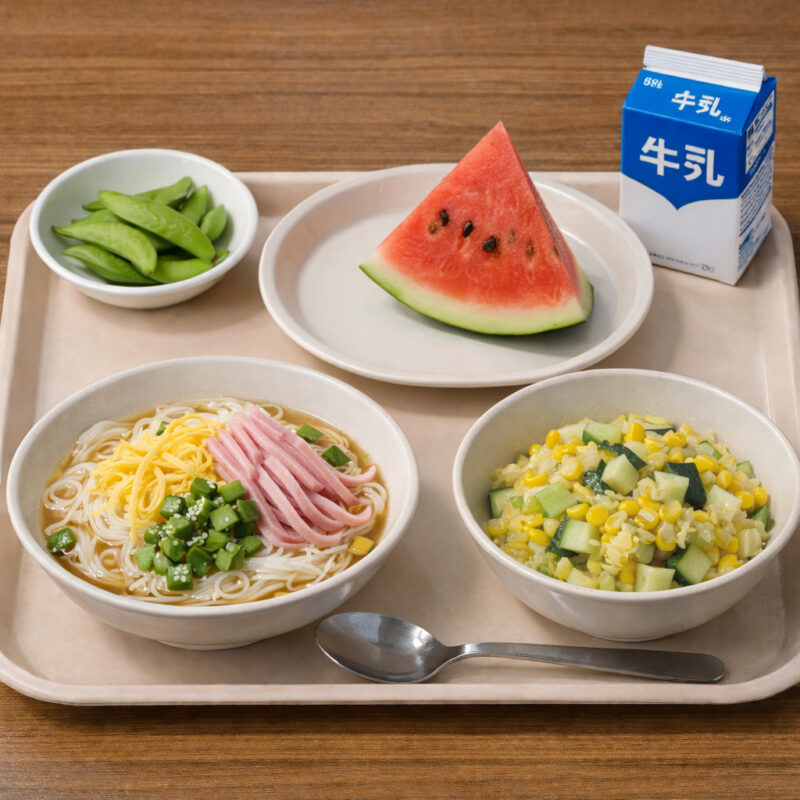
Summer introduces cooling foods like chilled noodles and cucumber dishes. Fresh tomatoes and eggplants appear frequently during hot months. Watermelon provides hydration and natural sweetness for students. Light, refreshing meals help children maintain energy in heat. Cold somen noodles with dipping sauce become popular choices. Grilled vegetables like bell peppers showcase summer’s bounty.
Autumn Menu Highlights
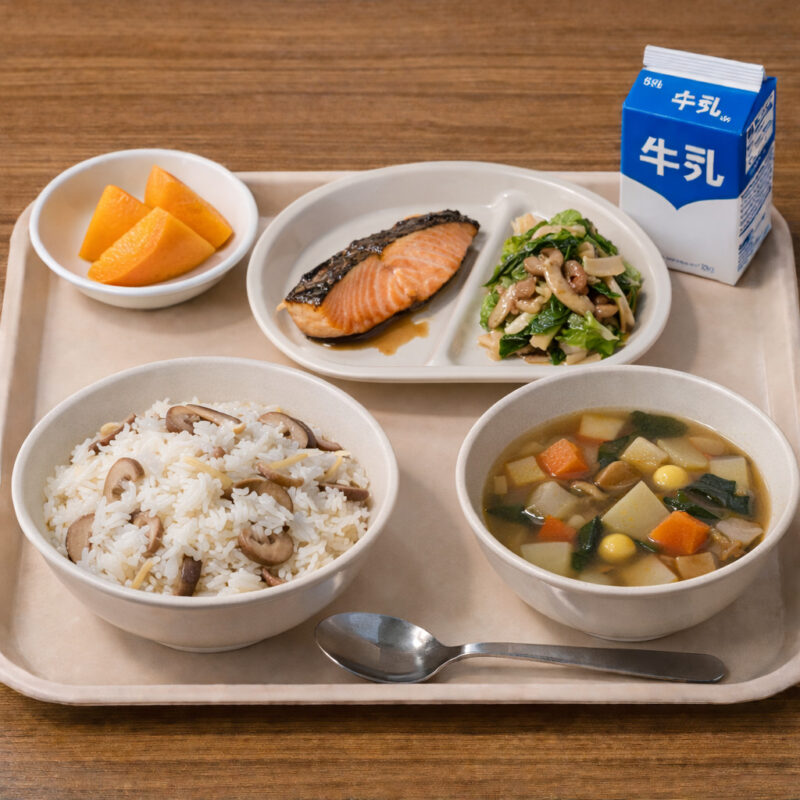
Autumn introduces chestnuts, sweet potatoes, and mushrooms into meals. Persimmons and grapes celebrate the harvest season beautifully. Salmon returns to rivers and appears on school menus. Rice harvest festivals inspire special rice-based Japanese lunch dishes. Roasted ginkgo nuts provide traditional autumn flavors. Pumpkin and kabocha squash enrich soups and side dishes.
Winter Menu Highlights
Winter menus feature warming soups and root vegetables like daikon radish. Hot nabe (pot dishes) with tofu and vegetables warm students. Mandarin oranges provide essential vitamin C during cold months. Hearty stews and miso soup combat winter chill effectively. Turnips and burdock root appear in traditional simmered dishes. Sweet potato desserts offer comforting warmth on cold days.
Seasonal Festivals and Traditional Foods
Traditional Japanese lunches align with seasonal festivals and cultural celebrations. New Year brings special mochi rice cakes to school menus. Children’s Day in May features kashiwa mochi wrapped in oak leaves. Girls’ Day includes chirashi sushi with colorful toppings. Boys’ Day brings rice wrapped in bamboo leaves traditionally. Moon viewing festivals feature dango rice dumplings in autumn.
These seasonal connections teach students about Japanese cultural traditions deeply. Children learn to anticipate and appreciate each season’s offerings. They understand the natural cycle of food production clearly. This knowledge fosters environmental awareness and gratitude for nature’s bounty.
Regional Menu Variations Across Japan
Regional specialties are frequently incorporated into menus across the country. Each prefecture’s unique culinary heritage appears in school lunches. This regional diversity enriches Japanese food education significantly. Students experience their local culture through daily meals authentically.
Coastal and Island Region Specialties
Coastal areas feature more seafood in their daily lunches. Hokkaido schools might serve salmon and crab dishes regularly. Fresh fish arrives from nearby ports each morning. Seaweed and kelp from local waters enhance nutritional value. Iwate prefecture features sanma (Pacific saury) during autumn months.
Okinawan schools include goya (bitter melon) and tropical fruits uniquely. Island students enjoy passion fruit and pineapple regularly. Okinawan sweet potatoes provide distinctive purple colors and flavors. Traditional champuru stir-fries reflect subtropical island cuisine beautifully. Mozuku seaweed from Okinawan waters appears in light soups.
Mountain Region Cuisine
Mountainous regions emphasize root vegetables and local mountain produce. Alpine areas feature wild mountain vegetables in spring. Mushrooms from nearby forests appear in autumn menus. Preserved foods reflect historical mountain living traditions practically. Nagano prefecture showcases soba noodles made from local buckwheat.
Mountain vegetables called “sansai” teach foraging traditions and knowledge. Fiddlehead ferns and bamboo shoots connect students to forests. These ingredients require special preparation techniques students learn. Wild mushrooms like matsutake appear in special seasonal meals.
Urban Cultural Centers
Kyoto schools showcase traditional Kansai-style dishes and refined preparations. Delicate flavors and elegant presentations honor cultural heritage. Yuba (tofu skin) and fu (wheat gluten) appear regularly. Students learn about kaiseki cuisine principles through daily meals. Pickled vegetables reflect Kyoto’s centuries-old preservation techniques.
Osaka brings takoyaki-inspired flavors into Japanese lunch dishes creatively. Savory okonomiyaki-style preparations delight students with familiar tastes. The region’s merchant culture influences hearty, filling meal styles. Konbu (kelp) from Osaka Bay enriches broths and soups. Students appreciate regional pride through distinctive local flavors.
Farm-to-School Connections
Each region’s climate and agriculture shape its unique menu offerings. Rice varieties differ from Hokkaido to Kyushu noticeably. Local vegetables thrive in specific soil and weather conditions. Traditional preservation methods vary by regional climate patterns logically.
Local farmers often supply ingredients directly to school kitchens. This farm-to-school connection ensures maximum freshness and flavor. It supports local economies and agricultural communities simultaneously. Students learn where their food comes from firsthand practically.
Some schools organize visits to nearby farms during planting seasons. Children participate in harvesting vegetables they’ll later eat at lunch. This hands-on experience deepens understanding of agricultural cycles significantly. They see the work required to produce their meals.
It enriches educational experiences by integrating geography and agriculture lessons naturally. Students develop deeper connections to their cultural heritage through regional foods. They understand what each region offers nutritionally and culturally. Japanese food education uses these variations to teach environmental awareness effectively.
Children learn about sustainable food practices and reducing food waste. They appreciate the effort required to produce their daily meals. Regional pride grows through celebrating local culinary traditions daily. This approach broadens students’ palates and culinary knowledge significantly.
Daily Kitchen Operations
Japanese school kitchens operate with meticulous planning and efficiency. Each day begins with well-orchestrated routines. Kitchen staff and nutritionists collaborate to create balanced meals. They reflect the country’s commitment to Japanese food education.
Fresh ingredients fill the air with appetizing aromas. Cooks prepare various Japanese lunch dishes daily. These include miso soup, rice, and seasonal vegetables. Meals follow strict guidelines ensuring nutritional standards are met.
Locally sourced ingredients promote sustainability and community support. This thoughtful approach fuels students’ bodies effectively. It also instills deep appreciation for food culture.
Student Participation in Lunch Service
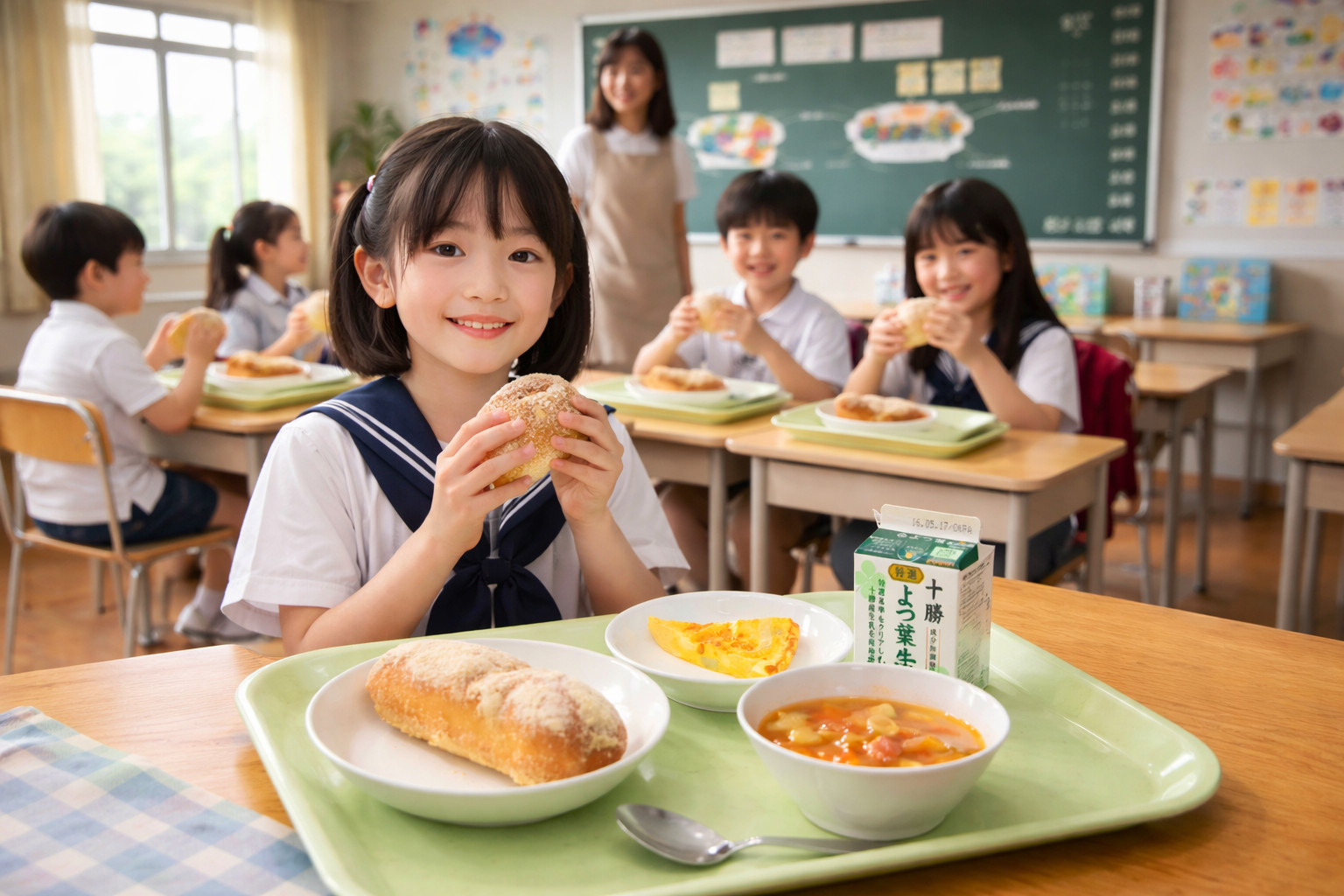
Students play active roles in meal preparation and service. Lunchtime becomes a collaborative effort in many schools. Children participate in serving meals and organizing dining spaces. This practice extends Japanese food education into practical learning.
Before lunch, students wear aprons and caps. They transform into young servers and chefs. Students carefully portion out Japanese lunch dishes. They ensure each classmate receives a balanced meal.
The experience fosters community and respect for food. It teaches responsibility and teamwork at young ages. These activities inspire Japanese lunchbox ideas for home meals. Children develop valuable life skills through participation.
Nutritional Guidelines and Balance
The School Lunch Act mandates strict nutritional standards. Meals must include five major nutrients: carbohydrates, proteins, fats, vitamins, and minerals. Each meal provides proper proportions of these nutrients. Traditional Japanese lunches like rice, fish, and vegetables form the foundation.
These meals sustain students physically and educationally. They prepare children for healthier eating habits in adulthood. Students learn the importance of balanced diets. This knowledge helps maintain their overall well-being.
Curriculum Integration of Shokuiku
Shokuiku seamlessly integrates into school curriculum nationwide. It promotes comprehensive understanding of nutrition and culture. Students participate in lessons emphasizing traditional Japanese lunches. They learn about seasonal ingredients and their significance.
Teachers incorporate practical exercises into food education. Students create Japanese lunchbox ideas and learn meal components. These experiences empower children with dietary knowledge. They can make informed food choices independently.
Children develop early appreciation for Japanese cafeteria food. They understand cultural narratives woven into every dish.
The Art of Bento Boxes
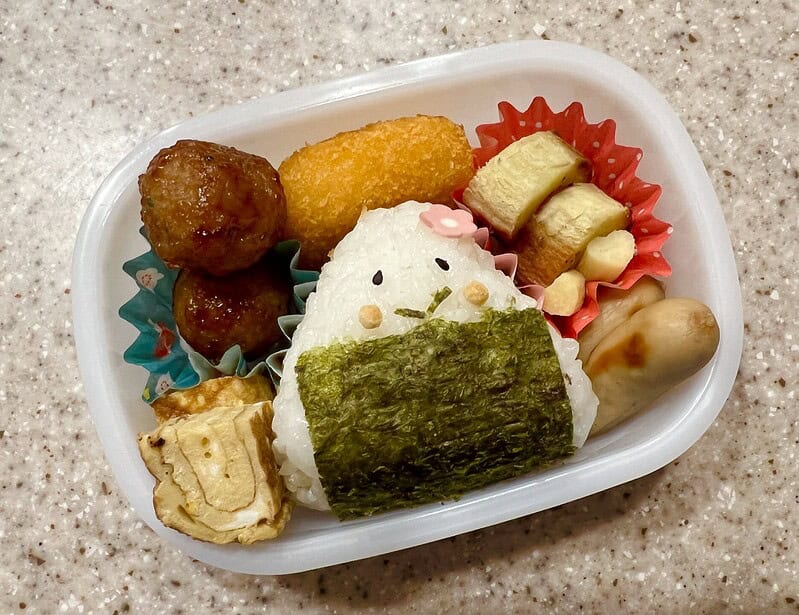
Japanese bento meals with rice, onigiri, and side dishes showcasing authentic Japanese cuisine.
Japanese lunchbox ideas center around the iconic bento box. These meticulously arranged meals are visually appealing and nutritionally balanced. Popular recipes include onigiri (rice balls) and tamagoyaki (rolled omelet). Fresh or pickled vegetables add color and nutrition.
Protein options include karaage (fried chicken) or grilled fish. Each component complements others in flavor, color, and texture. The artistry emphasizes aesthetics and balance in meal preparation. Bento serves as everyday Japanese food education.
Cultural Significance of Bento
The Japanese lunchbox carries deep cultural meaning. It reflects traditions and values of Japanese society. Bento emphasizes harmony, seasonality, and care in preparation. Preparing bento is an act of love and thoughtfulness.
This practice interweaves with Japanese food education principles. Children learn about nutrition and portion control early. They appreciate diverse flavors and food combinations. Bento embodies “kyushoku” – meals fostering mindfulness and community.
Comparison with Western School Lunches
Japanese school lunches contrast sharply with Western cafeteria offerings. Western schools often serve processed and prepackaged meals. Traditional Japanese lunches prioritize fresh, seasonal ingredients instead. Nutritionists meticulously plan well-rounded diets for students.
Japanese children enjoy rice, fish, soups, and vegetables daily. These meals nurture healthy eating habits effectively. They deepen students’ understanding of culinary heritage. Western programs frequently rely on convenience foods. Pizza and burgers receive less emphasis on cultural education.
Japanese school lunches stand out as global models. They highlight the importance of integrating nutrition with education.
International Recognition
Japanese food education has garnered worldwide recognition. The system goes beyond simple nutrition provision. It integrates food education throughout the curriculum comprehensively. Students learn about traditional Japanese lunches and agriculture.
They understand the cultural significance of various dishes. This holistic method fosters food appreciation from young ages. It encourages healthier lifestyle choices long-term. Schools worldwide are studying Japan’s successful model.
The system combines education with practical eating habits effectively. Students participate in growing vegetables and meal preparation. These activities instill life skills extending beyond classrooms.
Student and Teacher Perspectives
Students eagerly anticipate the diverse range of daily lunches. Traditional Japanese lunches offer delightful mixes of flavors and nutrients. Lunch period becomes a significant highlight of students’ days. It provides nourishment and hands-on learning opportunities.
Teachers observe that lunches serve as practical nutrition lessons. They aid in developing healthy eating habits. Sharing meals fosters a sense of community. Students engage in lively discussions about favorite Japanese lunch dishes.
This daily ritual is more than eating. It’s an educational experience instilling lifelong values.
Expert Insights
Nutritionists and educational authorities recognize profound impacts on student health. Experts emphasize school lunches’ role in teaching balanced diets. Meals include all essential food groups. They’re meticulously planned to provide comprehensive nourishment.
Educational authorities appreciate Japanese lunchbox ideas as cultural tools. They instill appreciation for traditional Japanese culture. Schools incorporate local and seasonal ingredients consistently. This promotes sustainability and understanding of regional practices.
Food education extends beyond cafeterias into holistic learning. Expert insights can influence global food education approaches.
Conclusion
Japanese school lunches blend tradition, nutrition, and education seamlessly. They offer much more than simple meals to students. The historical journey reflects Japan’s dedication to future generations. It preserves cultural heritage while promoting health.
Shokuiku emphasizes meticulously planned, balanced diets. Traditional dishes like miso soup and grilled fish represent cultural authenticity. They ensure nutritional balance for growing children. Student involvement in meal preparation deepens food appreciation.
Integration of food education into curriculum empowers students. Knowledge extends far beyond the cafeteria walls. Global recognition highlights Japan’s model as a potential blueprint. Other countries can enhance their school meal programs.
Communities worldwide can promote healthier eating habits. They can foster cultural understanding among students. Japanese food education demonstrates how meals can transform lives. It shows that food is education, culture, and community.


















Comments