At least, that’s not how it’s treated in Japan. It is a Japanese gift; more specifically, it’s a tool for smoothing out human relationships.
Since I started working in Japan, I’ve felt this firsthand many times. An omiyage gift expresses gratitude, eases awkwardness, and sometimes even apologizes in place of words. It’s a bit mysterious, but it definitely works.
Where did omiyage come from in the first place?
The origins lie in the pilgrimages of the Edo period. Back then, a trip to Ise Grand Shrine was a monumental event. Villagers would pool their money together to send a representative on the journey. Upon returning, that person would distribute charms or local goods.
It was both proof of the trip and an act of sharing. It was the act of sharing an experience that only you had with those around you. This concept has evolved over time into the omiyage we see today.
In other words, while it looks like you’re buying cookies, you’re actually handing over a piece of an experience. When you think of it that way, it makes perfect sense.
Is omiyage really mandatory?
This is a question I get asked often. The answer is: it depends on the situation, but in the workplace, it’s pretty much essential.
When you take time off, someone else covers your work. Even if nothing is said to your face, the burden exists. Omiyage is a way to softly acknowledge that fact.
I once had a colleague return from an overseas business trip without bringing anything back. There were no major issues, but the atmosphere shifted slightly. I don’t think it was about their stomachs; it was about recognition.
What about among friends?
With friends, there’s a bit more flexibility. However, the meaning remains the same.
For example, after visiting a friend’s hometown, you might give them omiyage from your own region. It doesn’t need to be expensive. Specificity is what matters.
That treat sparks a conversation. It becomes a small bridge connecting one place to another. If you skip it, you can sometimes come across as self-centered. In Japan, results are often prioritized over intentions.
Why is the box so important?
I used to wonder why people in department store basements looked at boxes so intently.
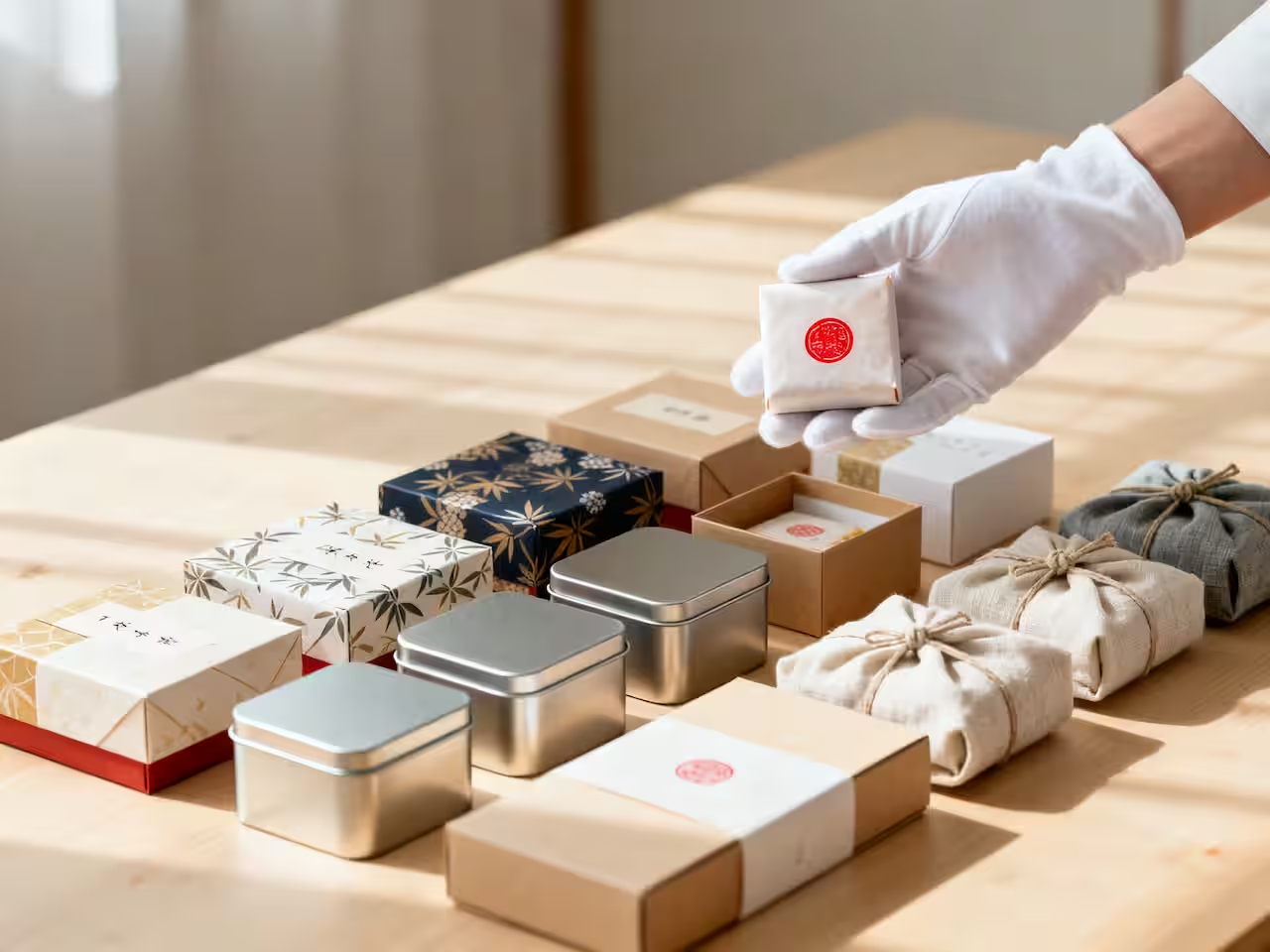
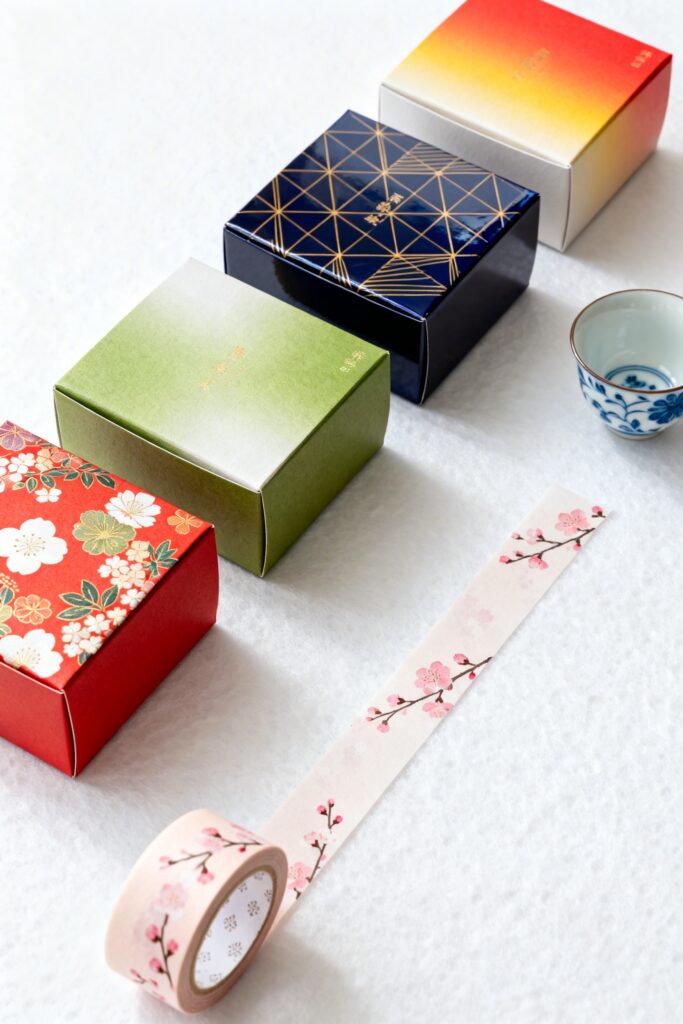
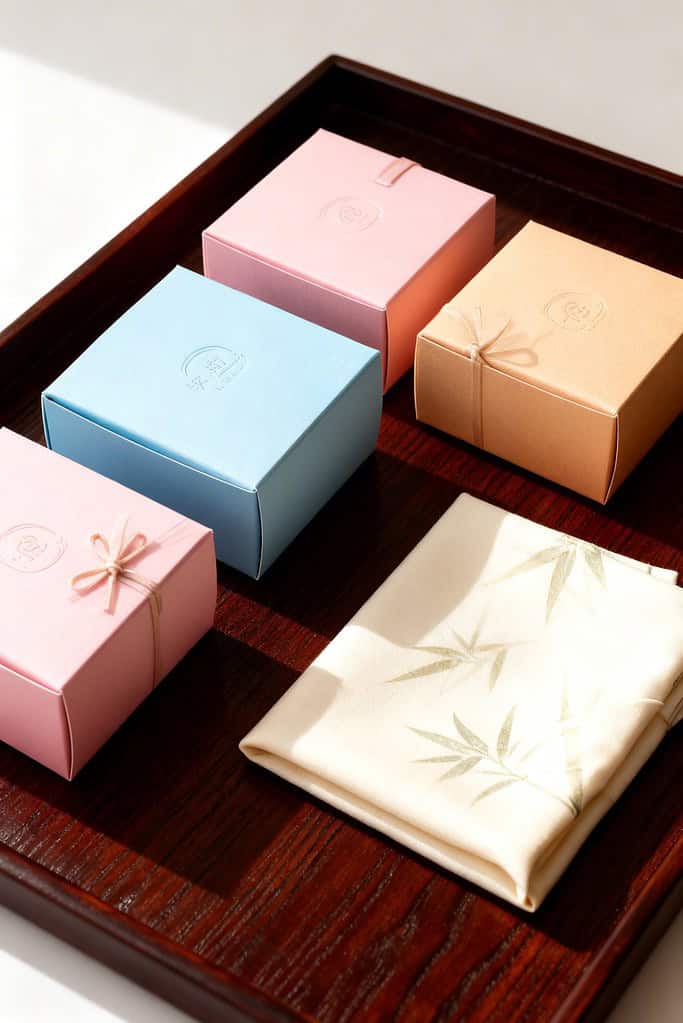
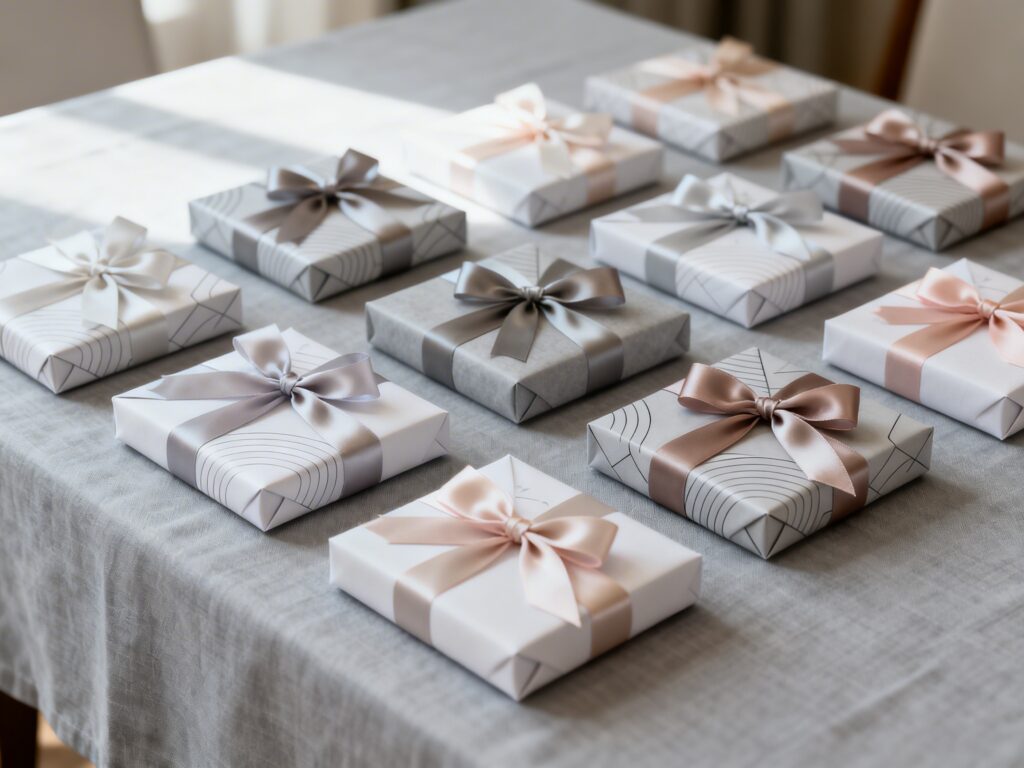
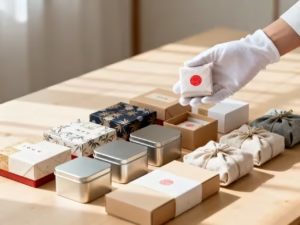
But the packaging is information. Where was it bought? How much thought went into it? That is communicated in an instant.
There’s also a practical side: moisture protection, hygiene, and portability. What started as a necessity for these reasons became an aesthetic. Thinking of it that way makes it understandable.
Why individual wrapping is required
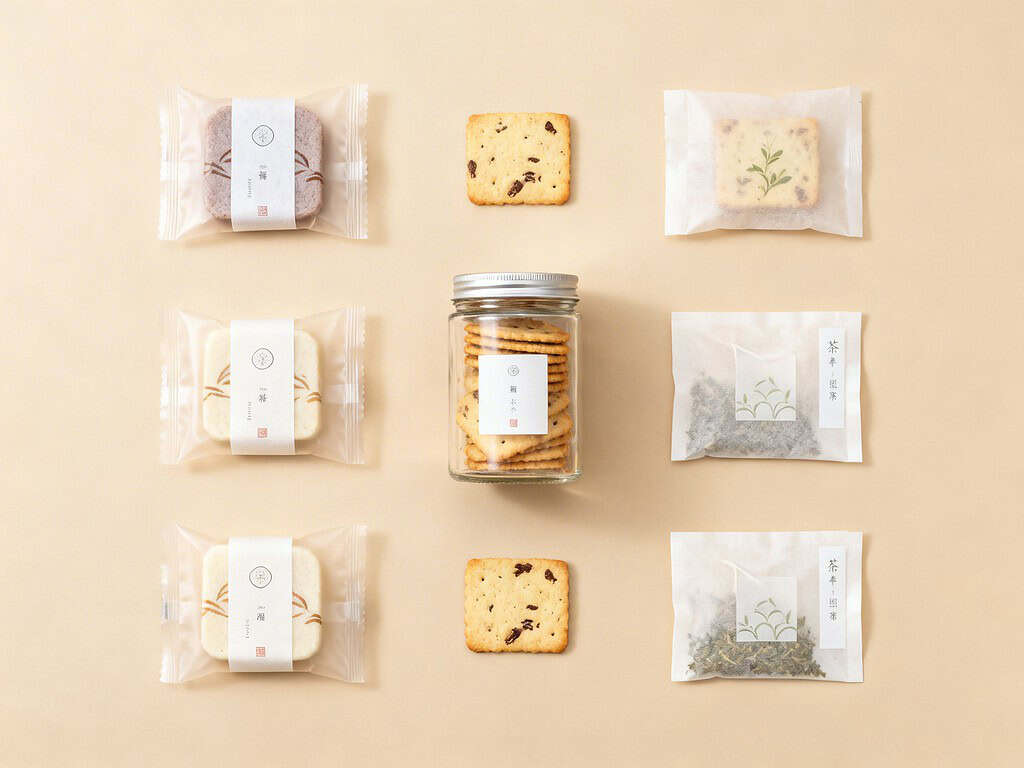
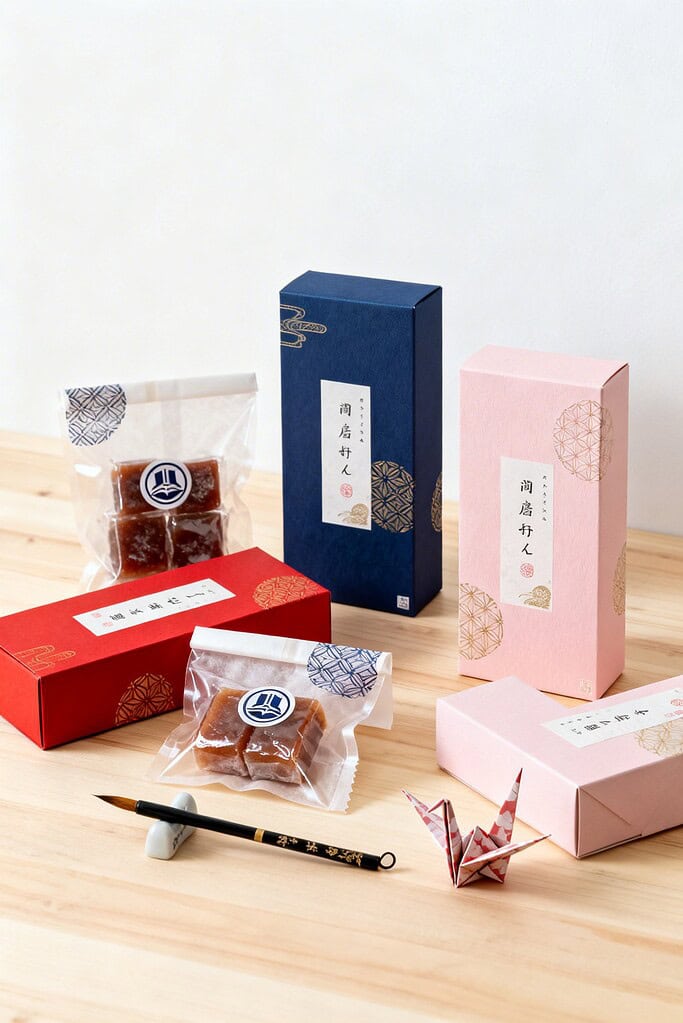
The “best omiyage” for the workplace almost always has one condition: It must be individually wrapped.
A large cake creates problems. It requires someone to cut it, someone to distribute it, and someone to clean up. Nobody wants that.
I once had a foreign boss bring in a massive block of high-end chocolate. I knew it was well-intentioned, but nobody could touch it. Omiyage isn’t about individual play; it requires a design suited for the group.
Seasons and exclusivity are also messages
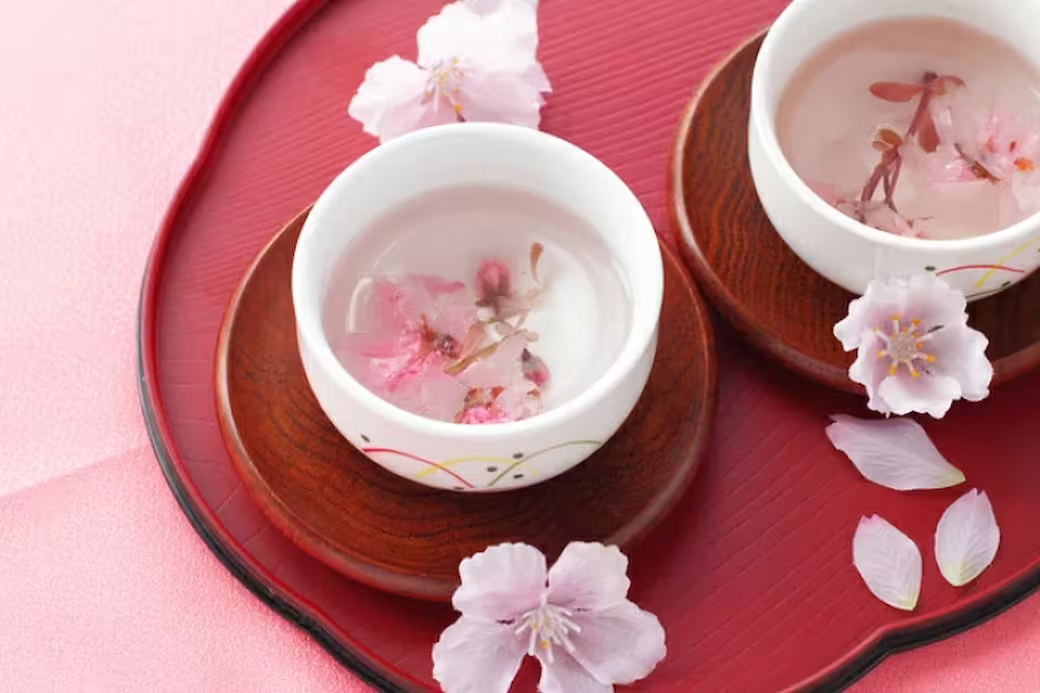
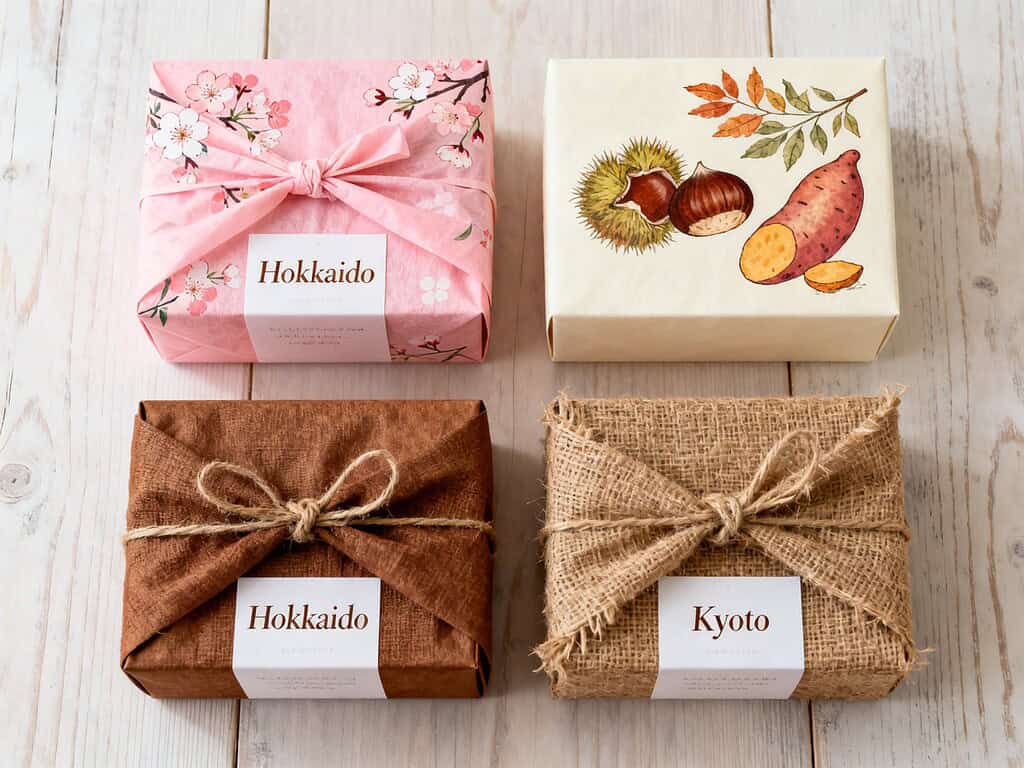
Cherry blossoms in spring. Chestnuts and sweet potatoes in autumn. In Japan, a sense of the season is, in itself, a form of thoughtfulness.
And then there are regional exclusives. The place name written on the box is important. If you bring a specialty from a different location, the meaning gets blurred. As a Japanese gift idea, this is a point that is surprisingly easy to overlook.
How do locals choose?
It’s actually very simple. For whom? For how many? How will it be carried home?
If you’re unsure, ask the shop staff. Pick the best-seller. That’s usually the right answer.
Wagashi (Japanese sweets) for an older boss. Western-style sweets for a younger workplace. It’s not a hard rule, but it’s hard to go wrong.
The pitfalls of price, quantity, and shelf life
An omiyage gift that is too expensive will actually make the recipient uncomfortable. For the office, a reasonable price range is more than enough.
Bring plenty. It’s more awkward to run out. Shelf life is also key. Japanese sweets with a short expiration date require perfect timing.
Things to avoid
Items you can buy anywhere. Strong smells. Foods that melt easily. “Gimmick” flavors.
Omiyage is not an endurance test. Ideally, it should disappear quietly.
The meaning is completed in the hand-off
Finally, there is the hand-off. Offer it with both hands. That alone conveys respect.
Add a phrase like, “It’s not much, but…” Briefly explain where you bought it. If they hesitate out of politeness, gently encourage them again.
Through this series of actions, the omiyage is complete. It becomes a conversation, not a purchase.
Since I started thinking this way, the station shelves look different to me. It’s not excessive. It’s a shared vocabulary.
When you understand omiyage, Japanese relationships become a little easier to read. It doesn’t have to be perfect. You are giving form to the fact that you care. I believe that is the essence of the Japanese gift.












Comments